Russia Begins Three-Day Parliamentary Election as Putin Seeks Wartime Mandate
More than 111 million voters are choosing a new State Duma in Russia’s first parliamentary election since the full-scale invasion of Ukraine.
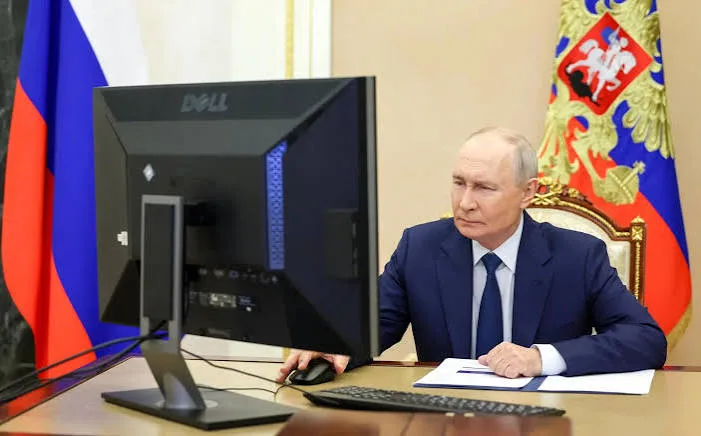
MOSCOW — Russians have begun voting in a three-day parliamentary election that President Vladimir Putin has presented as a measure of national unity and public support for the country’s war in Ukraine, with the ruling United Russia party widely expected to retain its dominant grip on parliament.
The vote, which runs from September 18 to 20, will determine all 450 seats in the State Duma, Russia’s lower house of parliament. It is the first nationwide parliamentary election held since Moscow launched its full-scale invasion of Ukraine in February 2022 and is being closely watched as both a domestic political exercise and a symbolic referendum on the Kremlin’s wartime leadership.
In a televised message encouraging participation, Putin urged Russians to vote and described the election as an opportunity to demonstrate unity, patriotism and confidence in the country’s future. The Kremlin has repeatedly argued that a strong turnout will reflect public backing for its policies, including its military campaign in Ukraine.
Polling stations opened first in Russia’s Far East before voting spread across the country’s 11 time zones, with authorities also allowing remote electronic voting in several regions. Election officials say more than 111 million people are eligible to cast ballots, including Russian citizens living abroad.
Despite the formal competition among multiple political parties, the election is unfolding in a tightly controlled political environment. United Russia, which currently holds a commanding majority in the State Duma, is widely expected to remain the largest force in parliament, while most prominent anti-war politicians have been excluded, jailed, exiled or prevented from contesting the vote. The liberal Yabloko party, a vocal critic of the war, was largely barred from the national party-list ballot.
The election has also drawn international criticism because voting is being held in Donetsk, Luhansk, Kherson and Zaporizhzhia—Ukrainian regions that Russia claims to have annexed in 2022. Ukraine, the European Union and several Western governments reject those annexations and have described the voting in occupied territories as illegal under international law. Russian authorities insist the regions are part of the Russian Federation and say residents have the right to participate.
Inside Russia, public opinion appears more complex than the election campaign suggests. While many voters have expressed support for the government and the military, others have voiced concerns about inflation, fuel shortages, economic pressures and the prolonged conflict. Independent analysts say the absence of meaningful opposition means the election is unlikely to produce a significant shift in the balance of power, even if it offers insight into public sentiment.
Preliminary results are expected after polls close on Sunday, with near-complete results likely to emerge on Monday. The composition of the new State Duma will shape Russia’s legislative agenda for the next five years, including defence spending, economic policy and laws introduced during one of the most consequential periods in the country’s modern history.
More than a routine parliamentary contest, the election has become a political message from the Kremlin: an attempt to project stability, legitimacy and resilience at home while the war in Ukraine continues to reshape Russia’s economy, society and relations with the rest of the world.
More on Politics
Politics
Brazil Election Shock: Flávio Bolsonaro Beats Lula in First Round
5 Oct 2026
Politics
Brazil Votes in Pivotal Election as Lula and Bolsonaro Rival Vie for Presidency
4 Oct 2026
Politics
2027 Elections: 9.3 Million Young Nigerians Join The Register
2 Oct 2026
Politics
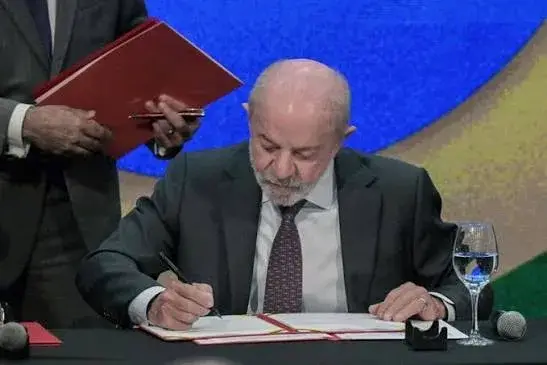
Brazil Suspends Sports Betting to Protect Election Integrity
28 Sept 2026
Politics
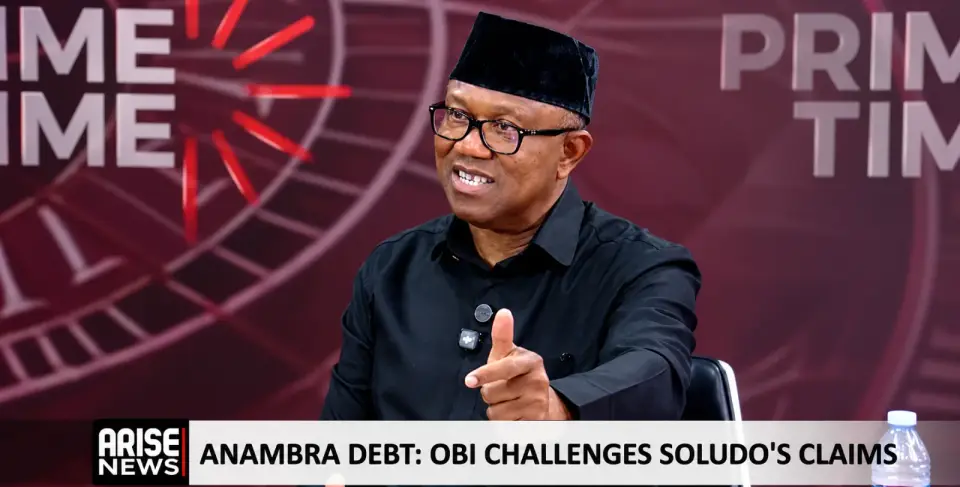
Peter Obi: I Left Anambra Financially Strong, Debt Claims Are Wrong Public Accounting
25 Sept 2026
You may also like
Politics
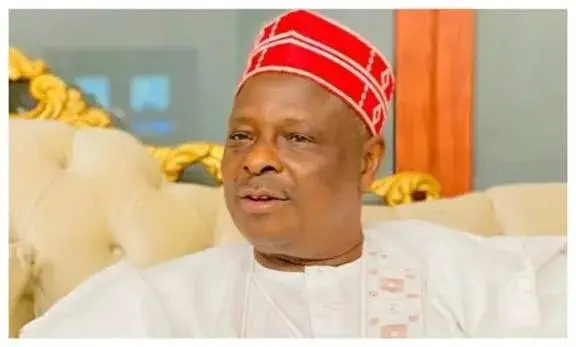
Kwankwaso Says NDC Will Reintroduce Fuel Subsidy if Obi Wins 2027 Election
23 Sept 2026
Politics
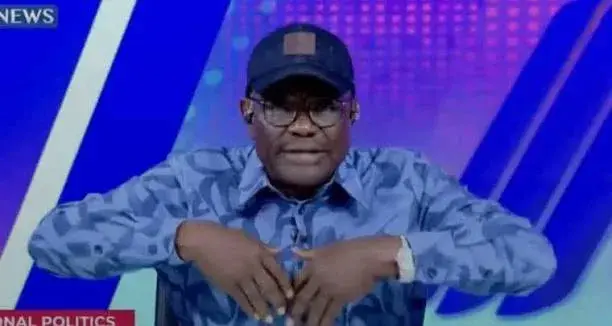
Wike: We Allowed Peter Obi to Win South-South to Reduce Atiku’s Votes
22 Sept 2026
Politics
Abia Governor Otti Says He Wants Younger Nigerians to Take Over
21 Sept 2026
Politics
Shettima: Only Six Northern Governors Backed Tinubu in 2023 Election
17 Sept 2026
Politics
Atiku Challenges Tinubu on 30 Day Petrol Discount, Demands Answers on Day 31 Plan
10 Oct 2026
Politics
Atiku Slams Tinubu’s 30-Day Fuel Discount as a ‘Publicity Stunt’
9 Oct 2026