
Meta Makes Billions as Zuckerberg Faces Mounting Legal Pressure Over Social Media
Meta’s advertising business continues to deliver strong growth, but mounting lawsuits and costly AI ambitions are testing Mark Zuckerberg’s ability to turn commercial success into lasting public trust.
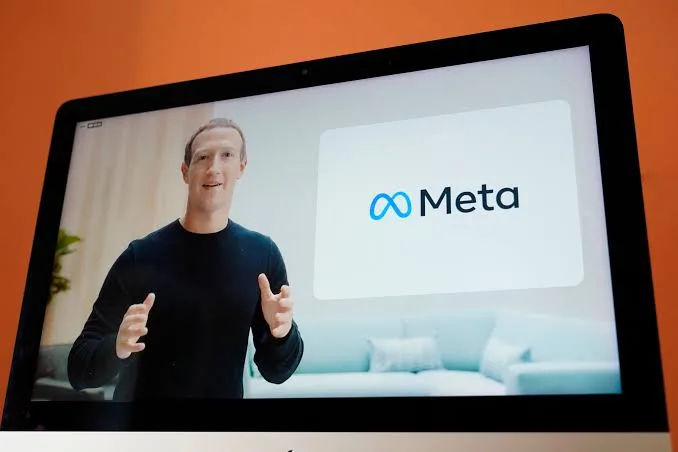
Meta Platforms is making money at a remarkable pace, even as its chief executive, Mark Zuckerberg, faces growing questions about the social impact of the company’s products and the cost of its artificial intelligence ambitions.
The contrast was visible at Meta Connect in September. Zuckerberg used the company’s annual product event to promote its new AI assistant, Muse, smart glasses and other devices, while saying little about Facebook and Instagram, the platforms that built Meta into one of the world’s most valuable technology companies. The shift reflects a company eager to be seen as an AI innovator rather than simply a social media giant.
Yet Meta’s traditional business remains its financial engine. In the second quarter of 2026, revenue rose 28% year-on-year to $60.8 billion, driven mainly by advertising. The number of advertisements shown across its apps increased 14%, while the average price per advertisement climbed 12%. Its family of apps, including Facebook, Instagram and WhatsApp, had an average of 3.6 billion daily active people in June.
Those figures help explain why Meta has continued to grow despite criticism of Zuckerberg’s leadership and the company’s handling of user safety. Advertisers still have access to an enormous global audience, while Meta’s systems use artificial intelligence to help businesses target advertisements and improve campaign performance. As long as businesses keep spending to reach users, the company has a powerful source of revenue.
But the latest financial results also show that growth is becoming more expensive. Meta’s total costs and expenses increased 55% to $42 billion in the second quarter, while operating income fell 8% to $18.8 billion and net income declined 14% to $15.8 billion. The company recorded $2.4 billion in charges related to legal proceedings and another $1.18 billion in severance costs following workforce reductions.
The figures underline a central challenge for Zuckerberg: Meta must continue funding its AI expansion while dealing with the financial and reputational consequences of years of controversy surrounding its social platforms.
AI offers a new growth story — at a steep price
Meta is investing heavily in the next phase of its business. At its September Connect event, the company expanded its AI glasses range, announced plans to bring its Muse assistant to the devices and introduced new hardware. It said more than 100 styles of AI glasses across its Meta, Ray-Ban and Oakley brands would be available by the end of 2026.
Muse is also part of Meta’s attempt to move beyond chatbots that simply answer questions. The company wants AI agents to help people complete tasks, organise work and eventually interact with businesses and make purchases. Such services could create new commercial opportunities and strengthen Meta’s advertising and shopping ecosystem.
However, popularity does not automatically translate into profit. Meta has not yet demonstrated that its new AI assistant can generate revenue on a scale comparable with its advertising business, while the computing power required to operate sophisticated AI systems is expensive. Analysts have raised questions about the economics of offering generous AI access while trying to develop sustainable subscription or transaction-based revenue.
The infrastructure bill is substantial. Meta expects capital expenditure of $130 billion to $145 billion in 2026, including payments for finance leases, as it builds data centres and expands its technical capacity. The company says AI is already improving its core business, but investors will ultimately want evidence that these investments produce enough additional revenue and profit to justify the spending.
There are also practical obstacles. Meta’s Muse agent has encountered restrictions from some websites, including Amazon, limiting its ability to navigate the internet and complete certain shopping tasks. That matters because a useful AI agent needs reliable access to external services, not just the ability to produce convincing answers.
Legal battles are becoming a business problem
While Meta works to build its future around AI, its existing platforms are facing mounting legal challenges over allegations that their design encourages excessive use among children and teenagers.
In August, Meta agreed to a settlement worth up to $18 billion with U.S. states over claims that Facebook and Instagram were designed to keep young users engaged in harmful ways and that the company misled the public about risks to children. The agreement includes changes to teen safety measures, such as usage limits and restrictions on nighttime access. Meta has denied wrongdoing but agreed to the settlement and reforms.
The settlement does not end the wider legal fight. In a separate case in New Mexico, a jury in March found Meta liable and ordered it to pay a $375 million civil penalty. The company has also faced a separate jury verdict in a case involving allegations that social media platforms contributed to harm suffered by a young user. Meta has challenged the verdict and continues to contest many of the claims against it.
A major case involving 29 U.S. states and other claims over youth safety has also increased pressure on the company. The plaintiffs have sought changes to platform features, including age restrictions and the removal of infinite scrolling. Meta argues that it has invested in safety and disputes claims that its products were deliberately designed to harm young users. The allegations and requested remedies are not all settled matters, but the litigation could affect how its services operate and how much it costs to run them.
These cases create risks beyond potential financial penalties. Courts could require product changes that affect user engagement, advertising delivery or the way Meta recommends content. If such changes reduce the time people spend on its platforms, they could eventually affect the advertising model that supports the company’s wider ambitions.
Zuckerberg’s image problem has not stopped the business
Zuckerberg’s public reputation has long been shaped by disputes over privacy, misinformation and the effects of social media on young people. The current legal cases have revived questions about whether the company’s commercial incentives have been adequately balanced against users’ interests.
The challenge is not simply a public-relations problem. Trust matters when a company asks people to use increasingly personal AI tools, connect them to accounts and devices, and rely on them to manage tasks or information. Meta’s AI ambitions will require users to feel comfortable sharing data and allowing its products to take more actions on their behalf.
The company is also competing aggressively for attention and advertising revenue. On October 8, Meta announced that it would immediately stop accepting advertisements from TikTok’s parent company, ByteDance, on its platforms in the United States and several other countries. Meta described the decision as a normal business practice, saying it was not obliged to promote a direct competitor. The move illustrates how fiercely the largest platforms are competing for users and commercial influence.
For now, Meta’s financial strength gives Zuckerberg room to keep investing while addressing these challenges. But its second-quarter figures show that higher revenue alone does not guarantee improved profitability, particularly when legal charges and AI spending are rising so quickly.
The broader significance is that Meta is trying to transform itself before its social media business faces potentially costly changes. Its advertising operation continues to generate enormous revenue, giving it the resources to compete in AI, but the company must prove that its new products can deliver sustainable returns while rebuilding trust with users, parents, regulators and advertisers. Meta’s business may be booming today, but its long-term value will depend on whether it can make its AI ambitions pay off without allowing legal and reputational problems to undermine the platforms that still fund its future.
More on Technology
Technology
Meta Launches Meta One in UAE, Bringing Premium AI to WhatsApp, Instagram and Facebook
16 Sept 2026

Technology
Meta’s Zuckerberg Backs Independent AI Evaluators Instead of Slowing AI Development
16 Sept 2026

Technology
EU Unveils Plan to Restrict Social Media Use for Children Under 15
16 Sept 2026

Technology
Meta Stock Enjoys Best Month Since 2022 on AI Momentum
1 Oct 2026

Technology
Anthropic Faces Fresh Setback as US Court Upholds Pentagon Blacklist
28 Sept 2026
You may also like

Technology
Trump Invites Public to Help Rename Artificial Intelligence
21 Sept 2026

Technology
Apple Expands Smart Home Push With LG-Created Doorbell, Lock and Thermostat
7 Oct 2026

Technology
Trump, AI CEOs Sign Voluntary Safety Pact as Pressure Grows Over Advanced AI Risks
30 Sept 2026

Technology
SpaceX’s Starship Reaches Orbit for First Time in Historic Test Flight
29 Sept 2026

Technology
Meta to Unveil Camera-Free Smart Glasses as Privacy Concerns Grow
23 Sept 2026

Technology
Nigeria’s Newest Mobile Operator Begins Full Commercial Operations
16 Sept 2026