
Meta to Unveil Camera-Free Smart Glasses as Privacy Concerns Grow
The new device is expected to prioritize audio, AI and hands-free features while removing the camera to address growing privacy concerns.
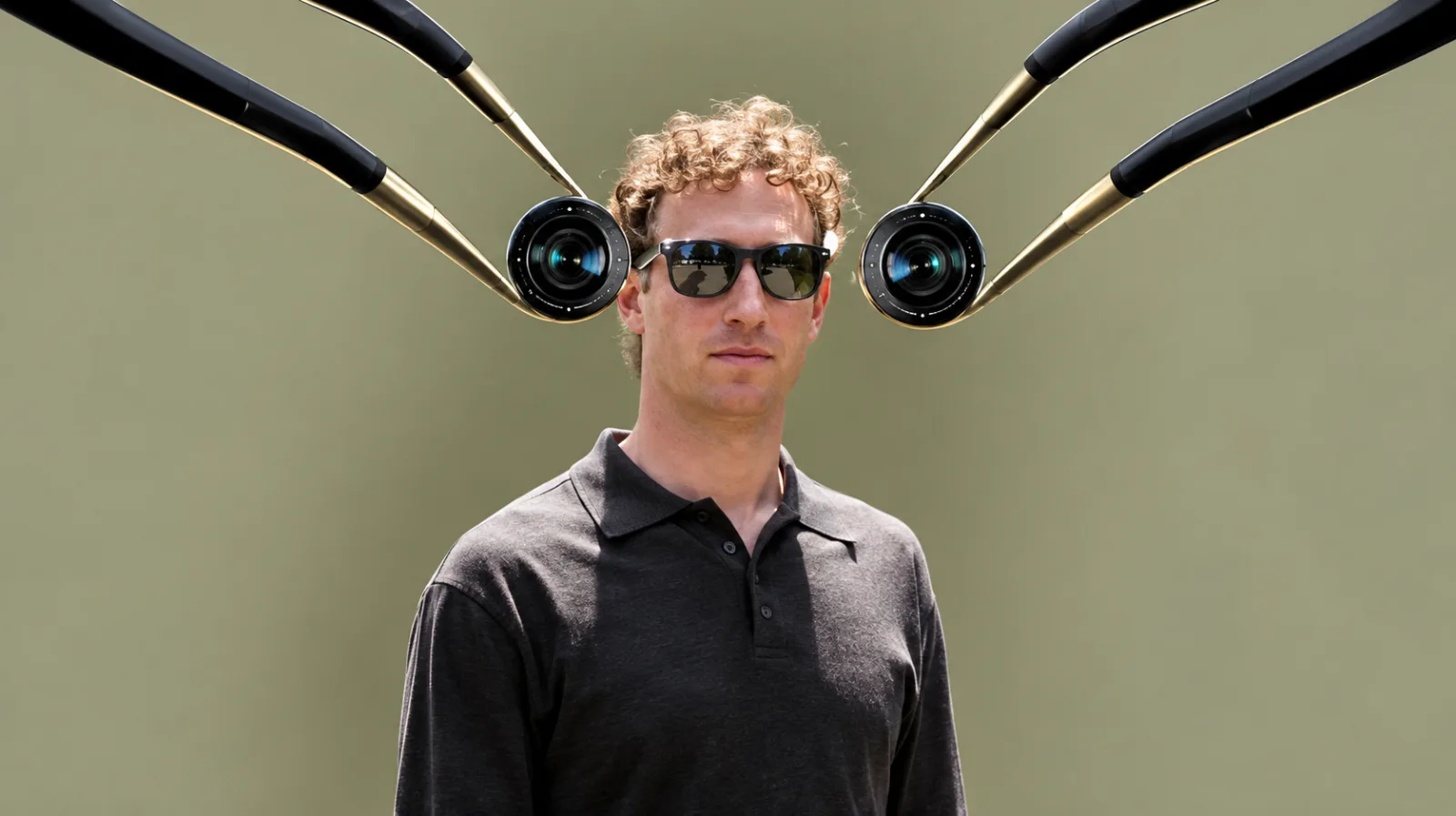
Meta Platforms is expected to unveil a new generation of camera-free smart glasses at its annual Meta Connect conference on Wednesday, introducing a privacy-focused wearable as concerns grow over AI devices capable of recording people without their consent. The launch is expected to be one of the headline announcements at the company’s flagship developer event, where Meta is also anticipated to reveal new augmented reality and AI hardware.
The upcoming glasses represent a notable shift in Meta’s wearable strategy. While the company’s previous Ray-Ban Meta smart glasses gained popularity for combining cameras, speakers and AI features, the new model is designed without an integrated camera in an effort to address one of the biggest criticisms surrounding smart eyewear: covert recording in public spaces.
Meta has emerged as the early leader in consumer AI wearables through its partnership with EssilorLuxottica, with sales of its smart glasses reportedly surpassing 7 million units. That success has given the company a dominant position in a market increasingly challenged by rivals including RayNeo and Xiaomi, both of which are expanding their own AI eyewear offerings.
However, the popularity of camera-equipped smart glasses has also intensified privacy debates worldwide. Several restaurants, pubs and theatres in the United Kingdom have restricted the devices over concerns that patrons could be filmed without their knowledge. Meta has also faced legal challenges in the United States, including a proposed class-action lawsuit in California alleging the company misled users about privacy protections and that human reviewers training its AI viewed uploaded footage containing private moments. Meta disputes those allegations and says it intends to defend itself in court.
According to industry reports, the new camera-free glasses are expected to launch in two styles—Clubmaster and Burbank—while retaining voice interaction, speakers and microphones for AI-powered assistance. Users are expected to access notifications, ask questions and interact hands-free without relying on visual recording features.
Meta is also expected to introduce an updated version of its Ray-Ban Meta glasses that still includes cameras, alongside a thinner and lighter pair of augmented reality glasses reportedly code-named Phoenix. The anticipated launch comes only days after Snap unveiled new partnerships and software details for its Specs augmented reality glasses, highlighting intensifying competition in the next generation of wearable computing.
Despite the privacy-focused redesign, analysts remain unconvinced that removing cameras alone will eliminate public concerns. Linda Sui, founder of Smart Analytics Global, noted that microphones and continuous audio collection could still raise questions about surveillance, even if the concerns are likely to be less significant than those associated with cameras. She also argued that without a camera or heads-up display, Meta may face a product differentiation challenge as consumers compare the glasses with ordinary Bluetooth earbuds.
The unveiling signals a broader evolution in wearable technology, where innovation is increasingly being measured not only by what devices can do, but by how responsibly they fit into everyday life. As AI becomes more deeply embedded in consumer electronics, the next competitive advantage may be trust as much as technology.
More on Technology
Technology
Meta Launches Meta One in UAE, Bringing Premium AI to WhatsApp, Instagram and Facebook
16 Sept 2026

Technology
Google Opens AI Content Detector Worldwide as Deepfake Scams Grow
10 Oct 2026

Technology
Apple Expands Smart Home Push With LG-Created Doorbell, Lock and Thermostat
7 Oct 2026

Technology
Meta Makes Billions as Zuckerberg Faces Mounting Legal Pressure Over Social Media
9 Oct 2026
Technology
Meta Stock Enjoys Best Month Since 2022 on AI Momentum
1 Oct 2026
Partner with Follow Global Trends
Display banners, sponsored stories and founder spotlights.
You may also like

Technology
Meta Deletes 3.7 Million Accounts in West Africa Fraud Crackdown
14 Oct 2026

Technology
Google Picks 15 South African Startups for 2026 AI Accelerator
5 Oct 2026
Technology
Starlink Ground Station Fire Sparks Sabotage Probe in Poland
25 Sept 2026

Technology
Trump Renames Artificial Intelligence “Super Intelligence” at UN
23 Sept 2026

Technology
Google DeepMind Gives European Scientists Access to Advanced AI Research Models
14 Oct 2026

Technology
Cyberattack Hits Hundreds of French Supermarkets as Hackers Overheat Refrigerators
13 Oct 2026