Trump Renames Artificial Intelligence “Super Intelligence” at UN
The U.S. President announced at the UN that federal documents will adopt the term “Super Intelligence” while rejecting international AI regulation.
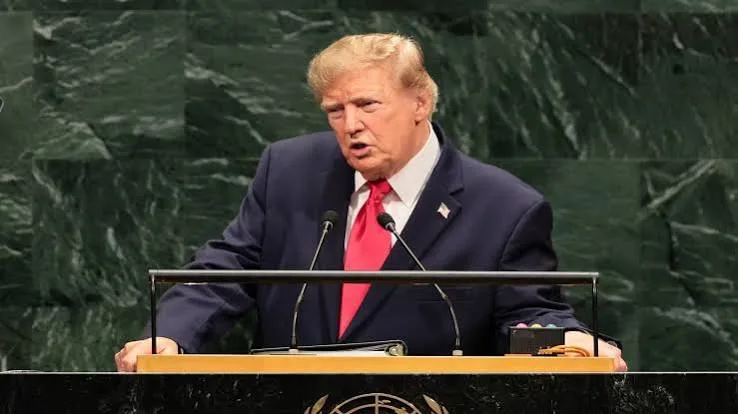
U.S. President Donald Trump has announced that the United States government will officially replace the term “Artificial Intelligence” with “Super Intelligence” in its official documents, arguing that the new name more accurately reflects the technology’s extraordinary capabilities. He made the declaration on Tuesday, September 22, 2026, during his opening address at the 81st United Nations General Assembly in New York.
Addressing world leaders at the General Debate, Trump said the United States would not only adopt the new terminology domestically but also hoped other countries would follow suit. He described the move as part of a broader vision to position America at the forefront of advanced AI development while resisting international efforts to create a global regulatory framework for the technology.
“The United States also totally rejects any attempt to construct a globalist scheme to control for the artificial intelligence being spoken of so much now, hereinafter officially called Super Intelligence, changing the name,” Trump told delegates, making the announcement one of the defining moments of his UN speech.
Explaining the reasoning behind the change, Trump argued that the word “artificial” wrongly suggests the technology is fake or less authentic than it truly is. “The use of the word artificial makes intelligence fake. It makes it sound fake, and it is not fake. It’s actually amazing, but we have to be careful,” he said.
He went further by stating that the terminology would immediately become standard across U.S. government records. “From this point forward, all of United States documents, and hopefully the world’s, will be changed to use the much more accurate term: Super, as opposed to artificial. So, it’s Super Intelligence,” Trump said, later suggesting the abbreviation “SI” as the preferred shorthand.
The announcement follows a public poll Trump launched on Truth Social days before the UN summit, asking users to choose an alternative name for artificial intelligence. His original options included Superior Intelligence, Extreme Intelligence and Supreme Intelligence. After later removing “Supreme Intelligence” from the poll, the final public choices were Superior Intelligence and Extreme Intelligence. Despite that process, Trump ultimately unveiled Super Intelligence during his UN address as the official term his administration intends to use.
Trump’s remarks were also accompanied by a firm rejection of international AI governance. He criticized proposals for a global framework to regulate advanced AI, describing them as a “globalist scheme” that could undermine innovation and American technological leadership. His administration has consistently argued that the United States should remain the world’s leading developer of frontier AI while shaping its own regulatory approach.
In the technology community, however, “superintelligence” already carries a distinct meaning. Researchers generally use the term to describe a hypothetical future AI system capable of surpassing human intelligence across virtually every cognitive domain, rather than as a replacement for the broader field of artificial intelligence. As a result, Trump’s proposed terminology represents a political and governmental naming choice rather than a change in established scientific or technical vocabulary.
Whether “Super Intelligence” gains international acceptance remains uncertain, but the announcement highlights the growing influence of AI in global diplomacy. Beyond debates over names, the larger contest revolves around who will lead the development, governance and ethical direction of one of the most transformative technologies of the 21st century.
More on Technology
Technology
Trump Invites Public to Help Rename Artificial Intelligence
21 Sept 2026
Technology
Trump, AI CEOs Sign Voluntary Safety Pact as Pressure Grows Over Advanced AI Risks
30 Sept 2026
Technology
Meta Stock Enjoys Best Month Since 2022 on AI Momentum
1 Oct 2026
Technology
Microsoft AI Chief Warns Against Building AI Systems Humans Cannot Control
20 Sept 2026
Technology
Anthropic Faces Fresh Setback as US Court Upholds Pentagon Blacklist
28 Sept 2026
Partner with Follow Global Trends
Display banners, sponsored stories and founder spotlights.
You may also like
Technology
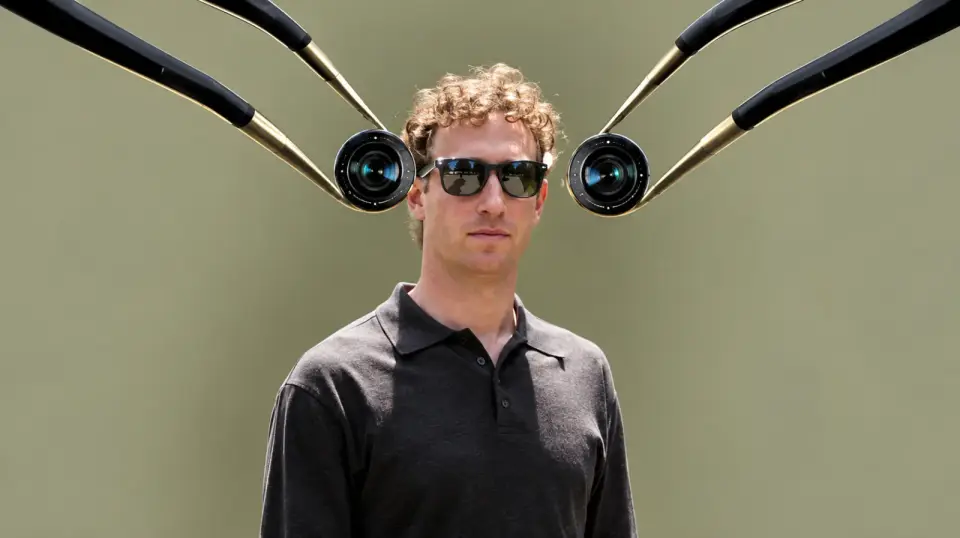
Meta to Unveil Camera-Free Smart Glasses as Privacy Concerns Grow
23 Sept 2026

Technology
Google DeepMind Gives European Scientists Access to Advanced AI Research Models
14 Oct 2026

Technology
Meta Deletes 3.7 Million Accounts in West Africa Fraud Crackdown
14 Oct 2026

Technology
Cyberattack Hits Hundreds of French Supermarkets as Hackers Overheat Refrigerators
13 Oct 2026
Technology
Google Opens AI Content Detector Worldwide as Deepfake Scams Grow
10 Oct 2026

Technology
Lagos Life Raises $500,000 at $10 Million Valuation After Attracting Millions of Players
10 Oct 2026