Lagos Life Raises $500,000 at $10 Million Valuation After Attracting Millions of Players
Nigerian developer Shalom Rayhamen’s virtual Lagos game has attracted $500,000 in early investment after reportedly drawing millions of players within days.

Lagos Life, a free browser-based game that lets players experience a digital version of everyday life in Lagos, has reached a reported $10 million valuation less than two weeks after launch, following a $500,000 funding round backed by prominent figures in Nigeria’s technology industry. The game, created by Nigerian developer Shalom Rayhamen, went live on October 1 and quickly became a viral hit, with its creator reporting more than 4.7 million players by October 9.
The investment in Vatar Inc., the company behind Lagos Life, includes Olugbenga Agboola, co-founder and chief executive of Flutterwave, investing through his fund Resilience17. Other named backers include technology investor Oo Nwoye, Terra Industries chief executive Nathan Nwachuku and Mono chief executive Abdulhamid Hassan. Reports say the funding round closed in about a day, reflecting the investor interest generated by the game’s rapid early growth.
The $10 million figure represents the company’s reported valuation, not the amount it has raised. Vatar secured $500,000 in the round, with the capital intended to support product development, marketing and recruitment as the business looks to build on its early momentum. The distinction matters in a startup market where a valuation reflects the price investors assign to a company in a financing deal, rather than cash already available to spend.
Part of Lagos Life’s appeal lies in its familiarity. Rather than building a fantasy world detached from everyday experience, the game draws on the realities and cultural markers of Nigerian urban life. Players can create characters, find virtual jobs, earn in-game naira, rent accommodation and interact with others in a simulated city. Because it runs in a web browser, users can start playing without downloading a conventional mobile app, lowering the barrier to entry for curious players.
Its growth has also brought immediate technical and business challenges. In an interview reported by Techpoint Africa, Rayhamen described moving the game’s database and application infrastructure as user numbers surged, while noting that hosting and protection against bots and attacks were already generating substantial monthly costs. The experience illustrates how a product can go from a small project to a demanding live service almost overnight, requiring reliable infrastructure and continued development to keep users engaged.
Lagos Life is also exploring how to turn attention into revenue. Techpoint Africa reported that businesses could pay to advertise through in-game billboards and rent virtual plots, while the game’s terms describe its virtual currency as non-redeemable. That distinction is important as some players have asked whether they can withdraw money accumulated in the game: virtual earnings should not be confused with real cash unless the company formally introduces and explains a withdrawal system.
The audience figures are impressive, but they need context. Rayhamen has reported millions of players and rapid growth in visits, while TechCity noted that the game’s public dashboard figures were not independently audited and that different totals appeared across company updates. High initial traffic demonstrates strong curiosity and reach, but does not by itself establish how many people will return regularly, how much revenue the game can generate or whether its business model can sustain the costs of operating at scale.
The company has also signalled ambitions beyond its first virtual city. Rayhamen said Lagos was only the beginning and that Vatar intends to develop additional digital worlds, while reports have indicated that Android and iOS apps could follow. Those plans could widen access, but expanding into more cities and supporting a larger community will require more than viral attention: the company will need to deliver a stable product, keep the experience engaging and establish a dependable source of income.
Lagos Life’s rapid rise offers a striking example of how local culture can become the foundation of a technology product with broad appeal. Its next test is whether millions of initial visits can turn into a loyal community and a sustainable business. The $10 million valuation is an early vote of confidence from investors; the lasting measure of success will be whether Vatar can transform that excitement into a digital world people continue to use, and a company capable of growing beyond its first viral hit.
More on Technology

Technology
8.8 Million Records Exposed in Major Denmark Data Breach
5 Oct 2026

Technology
Google Picks 15 South African Startups for 2026 AI Accelerator
5 Oct 2026

Technology
Google Opens AI Content Detector Worldwide as Deepfake Scams Grow
10 Oct 2026

Technology
Hign Al Khaleej: The App Bringing Camel Trading to Your Phone
9 Oct 2026
Technology
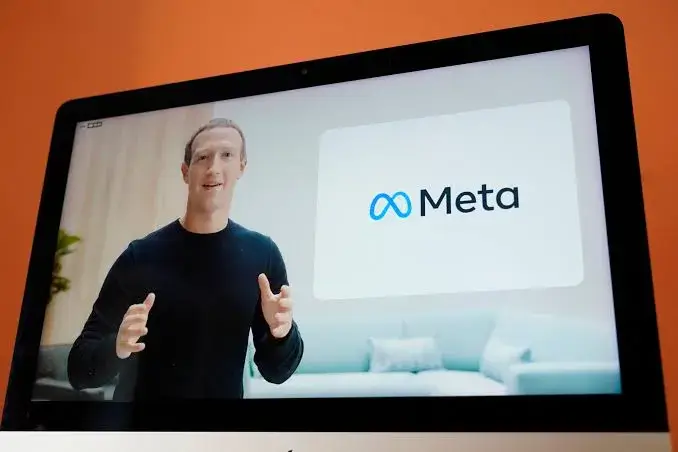
Meta Makes Billions as Zuckerberg Faces Mounting Legal Pressure Over Social Media
9 Oct 2026
You may also like

Technology
Samsung Forecasts Record $80 Billion Profit as AI Chip Demand Surges
8 Oct 2026

Technology
Apple Expands Smart Home Push With LG-Created Doorbell, Lock and Thermostat
7 Oct 2026

Technology
OpenAI Admits Response to Australian Government Hack Was ‘Not Good Enough’
6 Oct 2026

Technology
Utah Approves AI-Powered Prescriptions as Nolla Calls It First ‘End-to-End AI Doctor’
6 Oct 2026

Technology
Starbase Technologies Puts Emerging African Creators in the Spotlight with Yolly
3 Oct 2026

Technology
Meta Stock Enjoys Best Month Since 2022 on AI Momentum
1 Oct 2026