Samsung Forecasts Record $80 Billion Profit as AI Chip Demand Surges
Samsung expects its strongest-ever quarterly operating profit as surging demand for AI memory chips pushes prices and earnings sharply higher.
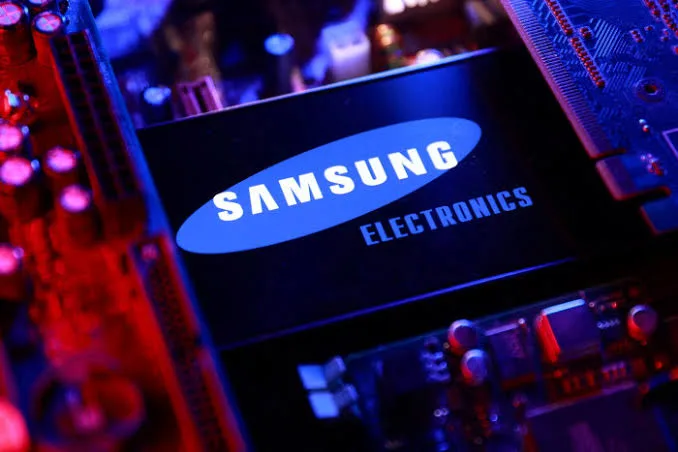
Samsung Electronics is on track to post a record quarterly operating profit of about 107.4 trillion won ($80.2 billion) after the global artificial intelligence boom sent demand for memory chips soaring and tightened supplies across the semiconductor industry.
The South Korean technology giant said its estimated operating profit for the July-to-September quarter would be nearly nine times the 12.17 trillion won recorded during the same period last year. If confirmed when the company releases its full results, it would be the first quarterly operating profit above 100 trillion won by a technology company.
Samsung also expects quarterly revenue to reach approximately 195 trillion won ($145.6 billion), representing a 127% increase from a year earlier. The preliminary operating-profit figure came slightly above the 106.1 trillion won forecast tracked by LSEG, extending Samsung’s run of record quarterly operating profits to four consecutive quarters.
The main engine behind the extraordinary numbers is Samsung’s semiconductor business. AI data centres require enormous quantities of memory to train and operate increasingly sophisticated models, with high-bandwidth memory (HBM) becoming particularly important because it allows AI processors to move large amounts of data quickly.
At the same time, supplies of conventional DRAM and NAND memory have tightened. The combination of strong AI-related demand and constrained supply has pushed memory prices higher, allowing manufacturers such as Samsung to significantly improve their margins. Reuters reported that analysts estimate Samsung’s HBM shipments increased by roughly 50% from the previous quarter.
The result represents a remarkable turnaround for Samsung’s chip business. The company had previously struggled to keep pace with rivals in some of the most advanced HBM products used alongside AI processors. It has been working to close that gap as customers race to secure memory supplies for expanding AI infrastructure.
Samsung’s latest forecast also highlights how uneven the AI boom has been across the company. While semiconductors are expected to generate the overwhelming majority of the profit, other divisions have faced substantially more difficult conditions.
Samsung’s mobile business is expected to have suffered an operating loss of more than $1 billion during the quarter, according to Reuters estimates, as expensive memory components increased production costs for smartphones and other devices. The company’s foundry business, which manufactures chips for other companies, is also expected to remain in the red.
That creates an unusual situation for one of the world's largest consumer electronics companies: the same semiconductor shortage that is producing extraordinary profits for Samsung’s chip operation is also making some of its finished products more expensive to manufacture.
Investors, meanwhile, have shown that they are not prepared to assume the AI boom will continue indefinitely. Samsung shares fell about 2.4% in Seoul on Thursday, despite the record forecast, while the broader KOSPI index also declined. Analysts have raised questions about whether current memory prices and profit margins can be sustained if AI infrastructure spending slows or if additional semiconductor capacity eventually comes online.
There are other risks. Chinese chipmakers are expanding their capabilities, while Samsung, SK Hynix and Micron are investing heavily to increase memory production. A future improvement in supply could put downward pressure on prices, while a slowdown in spending by major AI companies could weaken demand.
For now, however, the demand cycle remains exceptionally strong. Samsung and other major memory manufacturers have indicated that tight supply conditions could continue for several years, as technology companies and data-centre operators commit enormous sums to AI infrastructure. Reuters has reported expectations that the supply-demand imbalance could persist into 2028.
Samsung's forecast also arrives alongside strong results from another major Asian chipmaker. Taiwan Semiconductor Manufacturing Company reported September revenue of NT$511.86 billion, up 54.6% from a year earlier, helping push its third-quarter revenue to a record level. Taiwan has simultaneously reported a surge in exports as demand for AI-related hardware accelerates.
Samsung will release its complete third-quarter financial results, including the performance of individual divisions, on October 29. Until then, the 107.4 trillion won figure remains a preliminary estimate rather than a final result.
The bigger story is what Samsung’s numbers reveal about the economics of the AI revolution. The biggest financial beneficiaries are not only the companies building AI models but also the semiconductor manufacturers supplying the enormous computing infrastructure underneath them. Samsung’s potential $80 billion quarterly operating profit shows just how rapidly that demand is reshaping the global technology industry, but the muted investor reaction is an equally important reminder that extraordinary AI-driven earnings will ultimately have to prove sustainable.
More on Technology

Technology
Dell Posts Record $47 Billion Quarter, Lifts Revenue Forecast Again
11 Sept 2026

Technology
Apple Unveils iPhone Duo, Its First-Ever Foldable Smartphone
10 Sept 2026
Technology
OpenAI Admits Response to Australian Government Hack Was ‘Not Good Enough’
6 Oct 2026

Technology
Meta Stock Enjoys Best Month Since 2022 on AI Momentum
1 Oct 2026

Technology
Apple Expands Smart Home Push With LG-Created Doorbell, Lock and Thermostat
7 Oct 2026
You may also like

Technology
Utah Approves AI-Powered Prescriptions as Nolla Calls It First ‘End-to-End AI Doctor’
6 Oct 2026

Technology
8.8 Million Records Exposed in Major Denmark Data Breach
5 Oct 2026

Technology
Google Picks 15 South African Startups for 2026 AI Accelerator
5 Oct 2026

Technology
Starbase Technologies Puts Emerging African Creators in the Spotlight with Yolly
3 Oct 2026

Technology
Trump, AI CEOs Sign Voluntary Safety Pact as Pressure Grows Over Advanced AI Risks
30 Sept 2026

Technology
SpaceX’s Starship Reaches Orbit for First Time in Historic Test Flight
29 Sept 2026