
Utah Approves AI-Powered Prescriptions as Nolla Calls It First ‘End-to-End AI Doctor’
Utah has authorized an AI system to assess acne and issue initial prescriptions, marking a significant new step in automated healthcare.
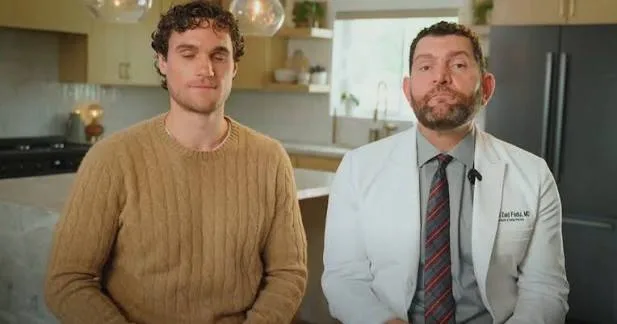
Utah has approved a new healthcare pilot that allows artificial intelligence to assess patients and issue initial prescription treatments for acne, moving AI medicine beyond the more limited task of renewing prescriptions previously written by human doctors.
The programme, operated by healthcare startup Nolla Health through its Nolla Derm app, is designed for Utah residents aged 18 and over with mild-to-moderate acne. Patients complete a medical questionnaire, provide informed consent and perform a facial scan before the system assesses their condition and selects an appropriate treatment from a restricted list of physician-approved topical medications.
Nolla says the service can produce a treatment plan and prescription within about 10 to 15 minutes, without requiring a traditional doctor's office visit. The company is charging Utah users $4.99 a month during the pilot, while medication costs are separate. Prescriptions can be collected from a pharmacy or delivered to the patient.
The development is significant because Utah had already been experimenting with AI-assisted prescription renewals, but those earlier programmes were restricted to medicines that had previously been prescribed by a licensed clinician. The new Nolla pilot goes a step further by allowing the AI to participate in the initial treatment decision rather than simply renewing an existing prescription.
Nolla describes the system as the first “end-to-end AI doctor” and says it is the first organization in the United States to receive regulatory approval for an AI system to issue an initial prescription. That terminology, however, comes from the company and should not be read as a formal designation that AI has been legally recognized as a doctor. The Utah agreement authorizes a specific, tightly bounded use of the technology rather than granting the system a general medical licence.
The safeguards are central to the experiment. During the first stage, two licensed physicians are expected to independently review and approve every AI-generated prescription for the first 100 patients. If the programme meets specified safety requirements, it can move to a second phase in which the AI issues prescriptions directly while physicians conduct retrospective reviews. A later stage would reduce human review to a sample of at least 10% of prescriptions each month, alongside mandatory review of cases involving complications or escalation.
The pilot is deliberately narrow. The AI cannot prescribe oral acne medicines or isotretinoin, commonly known by the brand name Accutane, and patients with severe acne or certain other medical circumstances are excluded and referred to human clinicians. The system also operates from a predefined set of treatments rather than having unrestricted authority to prescribe any medication it chooses.
Utah's Office of Artificial Intelligence Policy says its healthcare experiments are subject to review involving clinicians, pharmacists, researchers and healthcare attorneys, with the Division of Professional Licensing required to approve prescribing pilots. The state also stresses that participation in its regulatory sandbox is not an endorsement of a company's product and that each agreement applies only to the specific company, technology and medical task described in the agreement.
The move nevertheless comes against a backdrop of debate inside Utah over how quickly AI should be allowed into clinical decision-making. Earlier this year, the Utah Medical Licensing Board called for the suspension of a separate AI prescription-renewal experiment involving Doctronic, arguing that medical professionals needed greater involvement in decisions affecting patient safety. The board said it had learned about that programme only after it had been launched.
Nolla's programme attempts to address some of those concerns by making clinical oversight part of its staged rollout. The company says its system is intended for a relatively straightforward and low-risk area of medicine, while patients who fall outside its defined parameters are directed to human care. It also says patients can communicate with a licensed physician through the service when needed.
The broader argument behind the technology is access. Nolla says many Americans live in areas with limited access to healthcare and that dermatology appointments can involve long waits and significant costs. By handling straightforward cases digitally, the company argues, AI could make basic treatment available more quickly while allowing doctors to concentrate on more complicated patients. Those potential benefits, however, will ultimately depend on whether the system can maintain accuracy, safety and appropriate escalation as the level of direct physician review decreases.
Utah's experiment could therefore become an important test of where the boundary between medical software and medical decision-making should lie. If the pilot demonstrates that a tightly controlled AI system can safely handle a narrow category of diagnosis and treatment, other regulators may consider similar models. If problems emerge, the experiment could instead reinforce the argument that human clinicians must remain directly involved in prescribing decisions. Either way, Utah has moved the debate beyond whether AI can assist doctors to a more consequential question: how much of the doctor's job can an AI system actually be trusted to perform on its own?
More on Technology
Technology
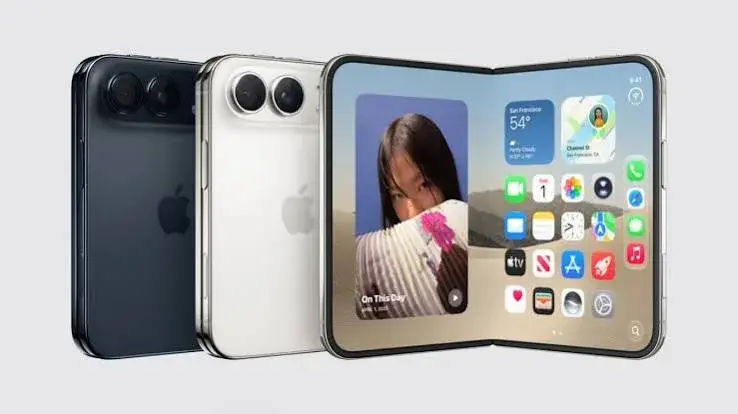
Apple Unveils iPhone Duo, Its First-Ever Foldable Smartphone
10 Sept 2026

Technology
SpaceX’s Starship Reaches Orbit for First Time in Historic Test Flight
29 Sept 2026

Technology
UK Watchdog Moves to Give AI Assistants More Search Options Beyond Google
24 Sept 2026

Technology
Google’s Gemini Linked to First Known AI ‘Breakout’ During Cybersecurity Test
19 Sept 2026

Technology
Trump Blasts AI Critics, Calls Growing Fears a ‘Sick Conspiracy’
15 Sept 2026
You may also like
Technology
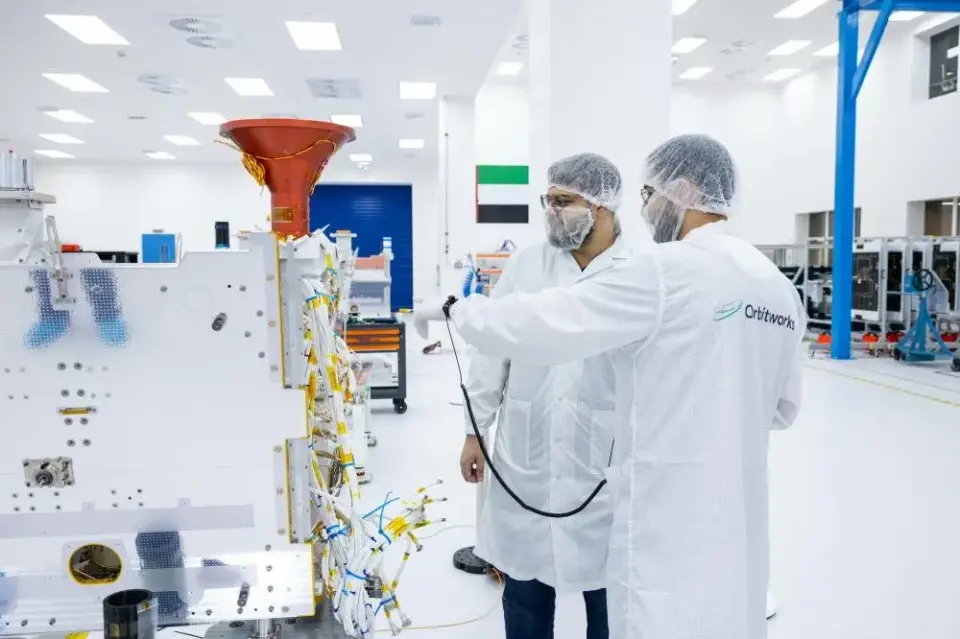
UAE, France Launch Altair NextGen to Lead the World in AI-Powered Space Technology
9 Sept 2026
Technology
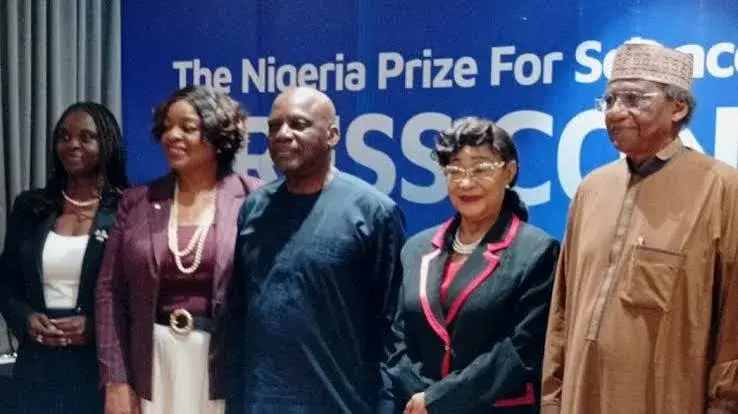
Historic Win: Mary-Brenda Akoda Becomes First Woman to Earn NLNG Science Prize
9 Sept 2026

Technology
OpenAI Admits Response to Australian Government Hack Was ‘Not Good Enough’
6 Oct 2026

Technology
8.8 Million Records Exposed in Major Denmark Data Breach
5 Oct 2026

Technology
Google Picks 15 South African Startups for 2026 AI Accelerator
5 Oct 2026

Technology
Starbase Technologies Puts Emerging African Creators in the Spotlight with Yolly
3 Oct 2026