
Samsung, SK Hynix Upgrade China Plants for Advanced NAND Chips
Samsung and SK Hynix are upgrading their Chinese semiconductor facilities as AI storage demand grows and domestic rival YMTC gains ground, amid tighter US export controls.
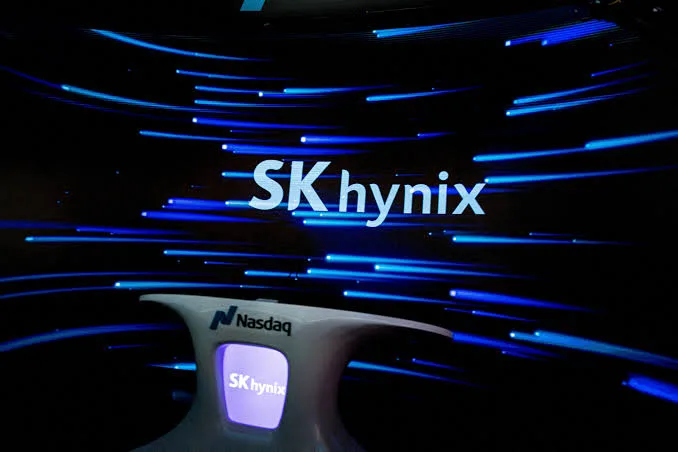
Samsung Electronics and SK Hynix are upgrading their semiconductor plants in China to produce more advanced NAND flash memory chips, according to a Reuters report published on October 21, 2026. The projects come as demand for AI-related storage increases and Chinese chipmaker Yangtze Memory Technologies Co. (YMTC) strengthens its position in the domestic market.
Samsung plans to upgrade its Xi’an facility to produce 286-layer V9 NAND chips, moving beyond its current technology. The factory accounts for approximately 40 per cent of Samsung’s global NAND output, making it a critical part of the company’s memory supply chain.
SK Hynix is also planning upgrades at its Dalian facility, aiming to move from 192-layer NAND products towards chips with at least 240 layers. Further development could depend on US regulatory approval, Reuters reported, citing people familiar with the plans.
The upgrades reflect growing demand for high-capacity storage used in AI data centres, computers and enterprise systems. NAND technology stores data without requiring continuous power, while increasing the number of memory layers can improve storage density and reduce costs.
Competition is also intensifying. According to market figures cited by Reuters, YMTC increased its share of China’s NAND market to 38.5 per cent in the second quarter of 2026, up from 28 per cent for the whole of 2025. Samsung and SK Hynix recorded declining shares over the same comparison.
However, US export restrictions remain a significant obstacle. Washington has tightened licensing requirements for semiconductor equipment supplied to foreign-owned chip factories in China, with its stated policy opposing licences for capacity expansion and technology upgrades. Samsung and SK Hynix have said they are consulting with US authorities, but the full scope of approvals for the reported projects remains unclear.
The developments underscore the challenges facing global memory manufacturers as they balance demand for advanced chips, competition from Chinese producers and restrictions on semiconductor technology. The outcome could influence the supply and cost of storage products used across the expanding AI and computing industries.
More on Technology
Technology
Samsung Forecasts Record $80 Billion Profit as AI Chip Demand Surges
8 Oct 2026

Technology
Trump, AI CEOs Sign Voluntary Safety Pact as Pressure Grows Over Advanced AI Risks
30 Sept 2026

Technology
Meta Launches Open AI Model to Challenge Chinese Rivals
16 Oct 2026

Technology
Google DeepMind Gives European Scientists Access to Advanced AI Research Models
14 Oct 2026

Technology
OpenAI Admits Response to Australian Government Hack Was ‘Not Good Enough’
6 Oct 2026
Partner with Follow Global Trends
Display banners, sponsored stories and founder spotlights.
You may also like
Technology
Starlink Ground Station Fire Sparks Sabotage Probe in Poland
25 Sept 2026
Technology
AI-Discovered PHP Flaws Force Government Websites Offline Worldwide
22 Oct 2026
Technology
Tesla and SpaceX Explore Merger That Could Create $3.5 Trillion Giant
21 Oct 2026

Technology
Google Cloud Outage Disrupts London Services, Hits Revolut
20 Oct 2026

Technology
US Orders Removal of DeepSeek AI From Federal Government Systems
20 Oct 2026

Technology
Musk Pledges SpaceX Share for Every US Child After Anthropic Move
19 Oct 2026