
China Approves DeepSeek, MiniMax for Overseas AI Model Releases
Chinese artificial intelligence developers DeepSeek and MiniMax have completed procedures allowing them to release selected AI models and license their technology overseas, following Beijing’s introduction of new export registration requirements.
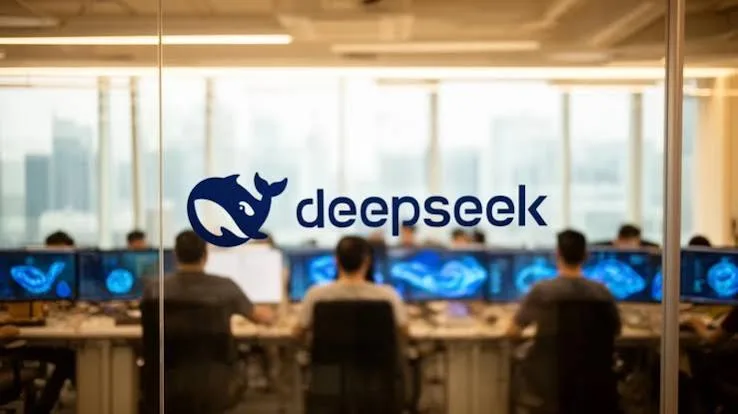
China’s leading artificial intelligence developers, DeepSeek and MiniMax, have secured approval to release selected AI models internationally, marking a significant step in Beijing’s efforts to expand the global reach of its AI industry while tightening oversight of sensitive technology exports.
The development was reported on October 22 by Yuyuan Tantian, a social media account affiliated with China’s state broadcaster, China Central Television (CCTV), and covered by international media the following day. The account said both companies had completed the necessary registration procedures for open-source releases and overseas licensing of their models. MiniMax subsequently confirmed that it had completed technology export registration with China’s Ministry of Commerce, covering certain recently released and upcoming models.
The approvals come days after China announced proposed revisions to its catalogue of technologies prohibited or restricted from export. On October 16, the Ministry of Commerce and Ministry of Science and Technology introduced a temporary registration system for specified technologies while seeking public feedback on the proposed changes. The measures cover 40 technologies across artificial intelligence, biotechnology and solar power, including 23 AI-related technologies involving large language models, AI agents, computing clusters and information processing.
Under the interim arrangements, businesses must register before exporting the technologies covered by the notice. The process applies to transfers of technology ownership, licensing of technology to overseas users and certain changes in ownership or control involving foreign entities. The requirements took effect while the authorities consult on revisions to China’s existing technology export catalogue, with the consultation scheduled to run until November 15.
The move initially raised questions about whether Beijing intended to restrict the international expansion of Chinese AI developers, whose models have attracted growing attention for their capabilities, accessibility and, in some cases, relatively low operating costs. The latest registrations indicate that overseas licensing and open-source distribution can continue under the applicable procedures, although the scope of permission depends on the technology involved and the relevant export rules.
MiniMax said its registration covered certain models it had recently released or planned to release, for open-source distribution and overseas licensing. The company’s announcement did not publicly identify every model covered or specify all the countries and commercial arrangements involved. DeepSeek had not immediately responded to requests for comment from Reuters when the news was reported.
China’s Commerce Ministry has said the proposed changes are intended to protect national security and prevent the misuse of sensitive technologies while preserving international cooperation. In an explanation published alongside the October 16 announcement, the ministry said most AI technologies would remain eligible for export, with simplified licensing procedures available in specified circumstances, including certain open-source technology transfers and the operation of computing facilities overseas by Chinese companies.
The distinction between exporting an AI model’s underlying technology and providing access to an AI service is important. According to the ministry’s explanation, the regulatory question centres on whether restricted technology is transferred from China to another country. Overseas deployment of covered technologies can fall within export-control rules, while providing access through application programming interfaces (APIs), websites, applications or software-as-a-service products is treated differently under the announced framework.
The regulatory changes come amid intensifying competition between China and the United States over advanced AI systems, computing infrastructure and the technologies needed to develop them. Both countries have introduced measures intended to protect strategic capabilities, although their approaches and restrictions differ. Chinese firms seeking to expand abroad must therefore navigate both domestic export requirements and the laws, procurement policies and security rules of the markets in which they operate.
DeepSeek gained international prominence in 2025 after its reasoning models attracted attention for their reported performance and development costs. MiniMax, meanwhile, has developed large language models and other AI products for consumer and business applications. Their latest registrations could help them continue distributing selected models outside China, including through open-source releases and licensing arrangements, subject to the applicable rules.
For international developers and businesses, the significance extends beyond the two companies. Access to Chinese AI models can broaden the range of systems available for research, software development and commercial deployment, potentially increasing competition in a market dominated by major US and Chinese technology firms. However, the latest approvals do not constitute blanket permission to export every Chinese AI model or automatic regulatory approval in every foreign market. Their practical effect will depend on which technologies are covered, how they are distributed and the requirements imposed by destination countries.
More on Technology

Technology
Meta Launches Open AI Model to Challenge Chinese Rivals
16 Oct 2026
Technology
Samsung, SK Hynix Upgrade China Plants for Advanced NAND Chips
22 Oct 2026

Technology
Google DeepMind Gives European Scientists Access to Advanced AI Research Models
14 Oct 2026
Technology
US Banks Tighten AI Access Rules Over Fears of Unwanted Transactions
24 Oct 2026
Technology
Tesla and SpaceX Explore Merger That Could Create $3.5 Trillion Giant
21 Oct 2026
Partner with Follow Global Trends
Display banners, sponsored stories and founder spotlights.
You may also like
Technology
US Orders Removal of DeepSeek AI From Federal Government Systems
20 Oct 2026
Technology
Meta Stock Enjoys Best Month Since 2022 on AI Momentum
1 Oct 2026
Technology
Musk Pledges SpaceX Share for Every US Child After Anthropic Move
19 Oct 2026
Technology
Anthropic Bans Repeated Abusive Behaviour Towards Claude AI
17 Oct 2026

Technology
Hign Al Khaleej: The App Bringing Camel Trading to Your Phone
9 Oct 2026

Technology
Utah Approves AI-Powered Prescriptions as Nolla Calls It First ‘End-to-End AI Doctor’
6 Oct 2026