Meta’s Zuckerberg Backs Independent AI Evaluators Instead of Slowing AI Development
Meta CEO Mark Zuckerberg says independent AI safety evaluations are a better solution than a broad slowdown in artificial intelligence development.
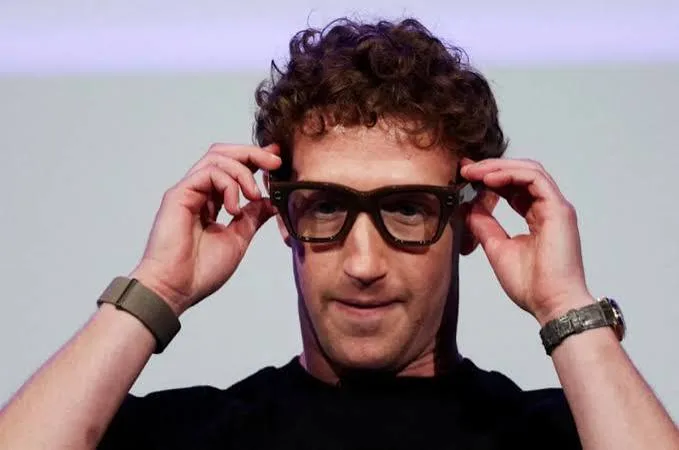
Meta CEO Mark Zuckerberg has entered one of the technology industry’s most consequential debates, arguing that stronger independent oversight of advanced artificial intelligence is a better path than coordinating a broad slowdown in AI development.
In an interview with Reuters, Zuckerberg rejected the idea that leading AI companies should collectively slow the creation of increasingly powerful models, saying: “I don’t think that there’s some broad industry coordination needed to slow down.” Instead, he said independent external testing should become standard practice for evaluating the risks posed by frontier AI systems.
His comments come as governments, researchers and technology executives grapple with how to prevent highly capable AI systems from causing harm without stifling innovation. The debate has intensified following calls from some industry leaders for tighter safeguards around the development and release of frontier models.
Zuckerberg said Meta supports rigorous third-party scrutiny of advanced AI, telling Reuters that “having independent evaluators is a good practice.” He argued that external assessments can help identify dangerous capabilities, security vulnerabilities and unintended behaviors before powerful models are widely deployed.
The Meta chief also pushed back against the notion that companies lack incentives to prioritize safety. “I think each lab has enough incentive to make sure that what they’re building is safe,” he said, suggesting that responsible development and competitive innovation can coexist.
His remarks reflect Meta’s broader approach to AI. The company has championed open-source AI models while also acknowledging that certain systems may require delayed releases when safety concerns emerge. Reuters reported that Zuckerberg pointed to Meta’s decision to postpone the launch of its experimental Muse AI model as an example of exercising caution without embracing an industry-wide pause.
The conversation extends well beyond Silicon Valley. Independent AI evaluators are increasingly being viewed as a critical layer of accountability, testing frontier models for risks including cyber misuse, biological knowledge, deceptive behavior and other potentially harmful capabilities. Regulators in the United States and Europe are also exploring frameworks that would require greater transparency and external safety assessments from developers of advanced AI.
As artificial intelligence becomes more deeply integrated into healthcare, finance, education and national security, the central question is shifting from whether AI should continue advancing to how it should be governed. Zuckerberg’s endorsement of independent evaluators signals a growing belief that credible external oversight may prove as essential to the future of AI as the breakthroughs themselves.
More on Technology
Technology
Meta Stock Enjoys Best Month Since 2022 on AI Momentum
1 Oct 2026

Technology
Trump Renames Artificial Intelligence “Super Intelligence” at UN
23 Sept 2026

Technology
Trump Invites Public to Help Rename Artificial Intelligence
21 Sept 2026
Technology
Meta Launches Meta One in UAE, Bringing Premium AI to WhatsApp, Instagram and Facebook
16 Sept 2026
Technology
Anthropic CEO Urges AI Industry to Slow the Race as Safety Concerns Grow
13 Sept 2026
You may also like
Technology
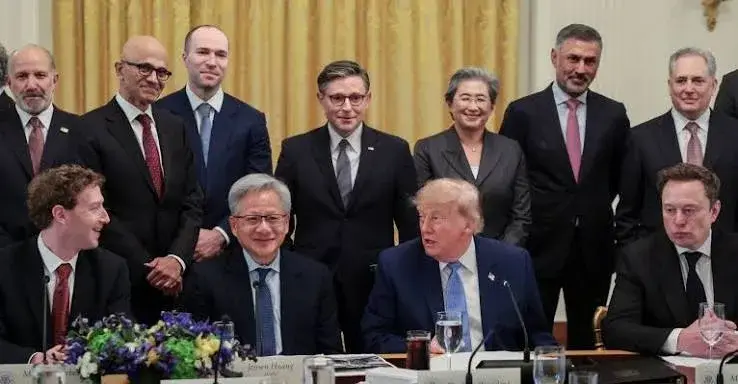
Trump, AI CEOs Sign Voluntary Safety Pact as Pressure Grows Over Advanced AI Risks
30 Sept 2026
Technology
Microsoft AI Chief Warns Against Building AI Systems Humans Cannot Control
20 Sept 2026

Technology
Trump Blasts AI Critics, Calls Growing Fears a ‘Sick Conspiracy’
15 Sept 2026
Technology
UAE, France Launch Altair NextGen to Lead the World in AI-Powered Space Technology
9 Sept 2026
Technology
UK Watchdog Moves to Give AI Assistants More Search Options Beyond Google
24 Sept 2026
Technology
Meta to Unveil Camera-Free Smart Glasses as Privacy Concerns Grow
23 Sept 2026