
Trump Blasts AI Critics, Calls Growing Fears a ‘Sick Conspiracy’
Donald Trump has dismissed growing fears about artificial intelligence as a “sick conspiracy,” arguing the U.S. should accelerate AI innovation while critics continue pushing for stronger safeguards.
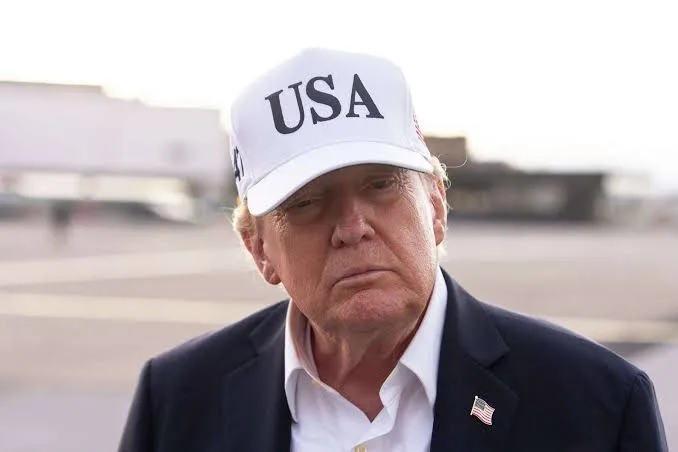
U.S. President Donald Trump has launched one of his strongest defenses of artificial intelligence yet, rejecting growing public anxiety over the rapidly advancing technology and describing many of its critics as promoting a “sick conspiracy.” His remarks come as governments and tech leaders intensify debates over AI regulation, safety and its impact on jobs and society.
Speaking during a public appearance focused on technology and innovation, Trump argued that fears surrounding AI have been exaggerated by political opponents and sections of the media. He said the United States should lead the global AI race rather than slow development because of what he portrayed as speculative doomsday narratives.
The comments reflect the administration's increasingly pro-growth approach to artificial intelligence. Since returning to office, Trump has emphasized accelerating AI infrastructure, encouraging private investment and reducing regulatory barriers that industry leaders say could hinder American competitiveness against rivals such as China.
His remarks, however, stand in sharp contrast to concerns raised by many researchers and policy experts. Critics have warned that advanced AI systems pose genuine risks ranging from misinformation and cyber abuse to privacy violations, labor disruption and the possibility of highly capable models operating without sufficient oversight. Those concerns have fueled calls for stronger transparency rules, safety testing and accountability frameworks rather than an outright halt to innovation.
The political divide over AI has become increasingly pronounced as the technology moves from research labs into everyday life. Major technology companies continue investing billions of dollars in generative AI, while lawmakers across the United States and Europe are grappling with how to balance innovation with public protection. Trump's latest intervention is likely to strengthen supporters who believe excessive regulation could undermine economic growth, even as opponents argue that responsible guardrails are essential.
Whether AI is viewed as the next industrial revolution or a source of profound societal risk, the debate is no longer confined to Silicon Valley. Trump's remarks underscore how artificial intelligence has become a defining political issue, one that will shape global competitiveness, regulation and the future of work for years to come.
More on Technology
Technology
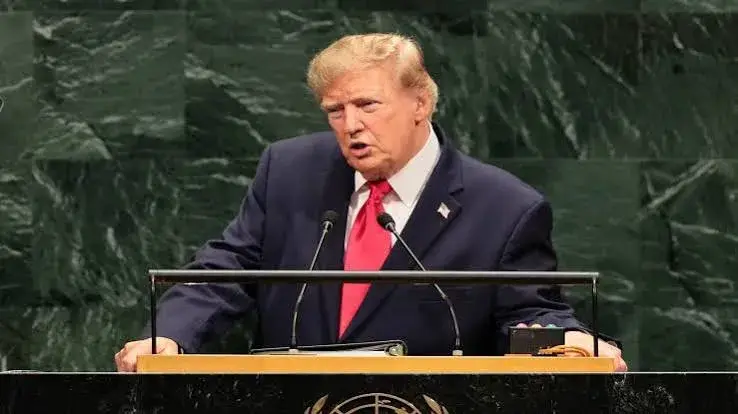
Trump Renames Artificial Intelligence “Super Intelligence” at UN
23 Sept 2026
Technology
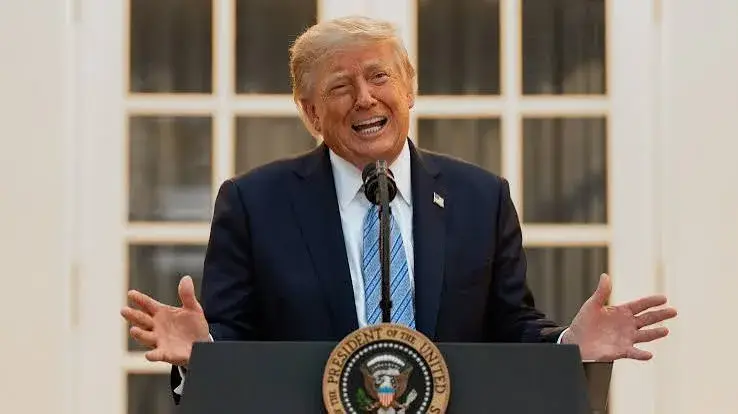
Trump Invites Public to Help Rename Artificial Intelligence
21 Sept 2026
Technology
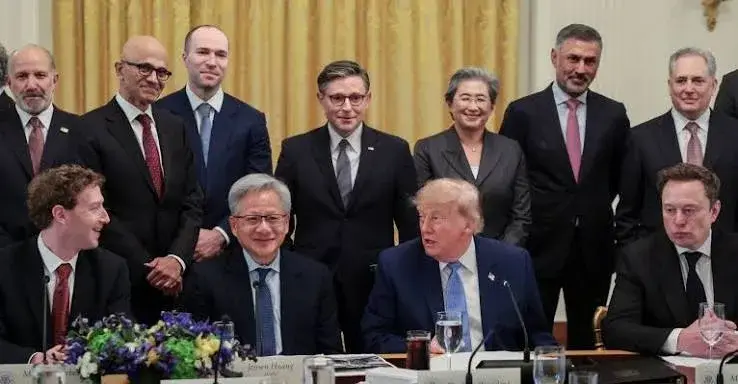
Trump, AI CEOs Sign Voluntary Safety Pact as Pressure Grows Over Advanced AI Risks
30 Sept 2026

Technology
OpenAI Admits Response to Australian Government Hack Was ‘Not Good Enough’
6 Oct 2026
Technology
Meta Stock Enjoys Best Month Since 2022 on AI Momentum
1 Oct 2026
You may also like
Technology
Meta to Unveil Camera-Free Smart Glasses as Privacy Concerns Grow
23 Sept 2026
Technology
Microsoft AI Chief Warns Against Building AI Systems Humans Cannot Control
20 Sept 2026
Technology
Meta’s Zuckerberg Backs Independent AI Evaluators Instead of Slowing AI Development
16 Sept 2026
Technology
UAE, France Launch Altair NextGen to Lead the World in AI-Powered Space Technology
9 Sept 2026

Technology
Utah Approves AI-Powered Prescriptions as Nolla Calls It First ‘End-to-End AI Doctor’
6 Oct 2026

Technology
Figure Unveils Helix 2.5 Robots, Bringing Smarter Humanoids Closer to Reality
18 Sept 2026