
Pope Leo XIV Officially Diagnosed With Lung Cancer After Surgery
The Vatican Press Office has confirmed Pope Leo XIV’s lung cancer diagnosis following surgery in Rome, with further medical assessments expected to guide his treatment.
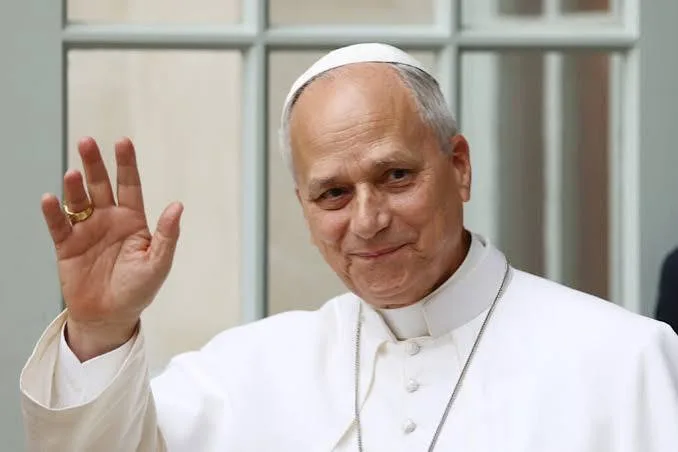
Pope Leo XIV has been diagnosed with lung adenocarcinoma, a form of lung cancer, after undergoing surgery to remove the lower lobe of his right lung at Rome’s Agostino Gemelli University Hospital. The diagnosis was announced by the Vatican Press Office late on Tuesday, October 13, in a medical statement issued on behalf of the Pope’s surgeon, Professor Stefano Margaritora, and his personal physician, Dr Luigi Carbone.
The Vatican confirmed that the operation was successful and that no complications occurred. According to the medical statement, examination of the removed tissue during surgery established the cancer diagnosis that doctors had suspected from earlier tests.
“The intraoperative histological examination confirmed the diagnosis of lung adenocarcinoma, as suspected by the preoperative tests,” the doctors said in the statement released through the Holy See Press Office. They added that the Pope woke up normally after the procedure and returned to his hospital room following a brief period of observation. The surgery itself lasted approximately 90 minutes, although Leo remained in the operating room for about three hours.
The announcement followed the Pope’s own disclosure on Sunday, October 11, that doctors had discovered a small, localized nodule in his lung during recent medical examinations. Speaking after the Angelus prayer in St Peter’s Square, Leo said: “It was detected at a very early stage and is well-localized.” He explained that his doctors had recommended surgery and that he had decided to follow their advice, while thanking the faithful for their prayers.
At the time of that announcement, the Vatican had not confirmed that the growth was cancerous. The diagnosis became established following the examination of tissue removed during Tuesday’s operation, marking a significant development in the 71-year-old pontiff’s medical situation.
The procedure involved removing the entire lower lobe of the Pope’s right lung using a video-assisted surgical technique. The doctors described the operation as successful, but the Vatican has not released all the clinical information required to determine the cancer’s stage or provide a definitive long-term prognosis.
Lung adenocarcinoma is the most common type of lung cancer and develops in glandular cells in the lung. Treatment depends on several factors, including the size and characteristics of the tumour, whether cancer has spread to nearby lymph nodes or other parts of the body, and the patient’s overall health. Although surgery can be an important treatment when a tumour is localized, the diagnosis alone does not establish whether further treatment will be necessary.
The Pope’s hospitalization has also prompted changes to his public schedule. His engagements have been suspended through October 20 to allow time for recovery. His planned international travel in November may also depend on how he progresses, although a final decision on the trip has not been confirmed.
The diagnosis comes as Leo continues to lead the Catholic Church following his election as pope in May 2025. His role involves regular public appearances, meetings with religious and political leaders, international travel and oversight of the Church’s global administration. Any extended recovery could require adjustments to those responsibilities, although temporary changes to his schedule do not, in themselves, indicate any change in his position as pontiff.
Messages of support and prayers have followed the announcement from Catholic communities and other observers. For now, however, the focus remains on his recovery and the results of further medical assessments. The Vatican has not announced a detailed treatment plan beyond the surgery, and speculation about chemotherapy or other therapies would be premature without additional clinical information.
The development also highlights the importance of distinguishing a confirmed diagnosis from an established prognosis. The Vatican has confirmed that the Pope has lung adenocarcinoma and that surgery was completed successfully, but the longer-term outlook depends on findings that have not yet been made public. For the global Catholic community, the immediate concern is his recovery; more broadly, the case is a reminder that even a diagnosis detected during medical examinations described as early and localized requires careful follow-up. The next stage will depend on the medical evidence, the effectiveness of the operation and the decisions made by his treating physicians.
Health
Pope Leo XIV to Undergo Surgery to Remove Early-Stage Lung Nodule
11 Oct 2026
Health
Nigeria Records First Tele-Robotic Surgery as Doctors Remove Cancerous Kidney Tumour
21 Sept 2026

Health
Senegal Makes Africa’s First Locally Produced Sickle Cell Treatment
29 Aug 2026
Health
UAE Becomes First Country to Approve Oral Treatment for Non-Segmental Vitiligo.”
20 Aug 2026
Health
Kenya Confirms First Ebola Case Linked to DR Congo as Patient Dies
6 Oct 2026
Partner with Follow Global Trends
Display banners, sponsored stories and founder spotlights.
You may also like

Health
65 Children Receive Life-Changing Free Surgeries in Peter Obi Birthday Initiative
3 Sept 2026
Health
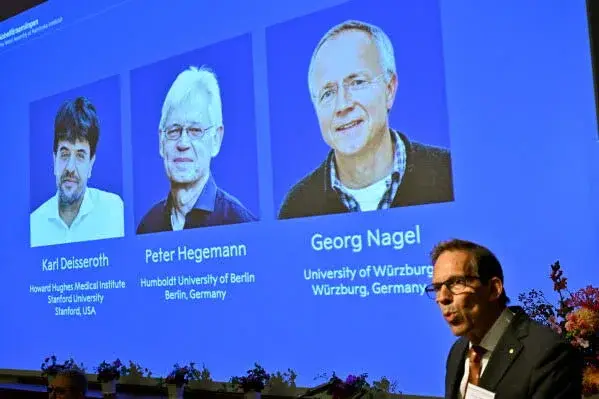
Light Meets the Brain: Three Scientists Win 2026 Nobel Medicine Prize
5 Oct 2026

Health
Meet Chika Onochie, the Pharmacist Who Won CAD$100,000 for Male Fertility Research
2 Oct 2026
Health
Euracare Challenges Probe Into Death of Chimamanda Adichie’s Son
29 Sept 2026

Health
Dubai Launches World’s First Authority Dedicated to Human Longevity
28 Sept 2026
Health
Nigeria Tightens Health Screening for Travellers From Ebola-Affected Countries
24 Sept 2026