
NNPC Hikes Petrol Price to ₦1,405 Amid Fuel Discount Controversy
Nigeria’s state-owned oil company has reportedly raised petrol prices at its retail stations to ₦1,405 per litre, reversing a recent reduction as motorists question whether a government-backed discount is accessible enough to provide meaningful relief.
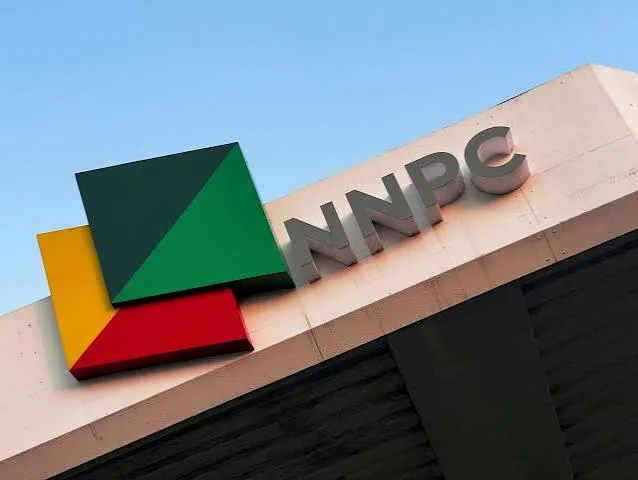
The Nigerian National Petroleum Company Limited (NNPC) has reportedly raised its petrol pump price from ₦1,370 to ₦1,405 per litre, adding fresh uncertainty to fuel pricing as controversy continues over a temporary discount introduced by the Federal Government to ease the impact of rising energy costs.
The ₦35 increase was reported at NNPC retail stations on Friday, October 16, after attendants were informed of the adjustment a day earlier, according to Nigerian media reports. The company had reduced its price to ₦1,370 per litre earlier in the week, following a previous increase to ₦1,405. NNPC had not publicly explained the latest adjustment in the reports available by Sunday, October 18.
The price change comes amid questions about how motorists can benefit from a ₦66-per-litre discount announced by the government earlier this month. Under the arrangement, customers who qualify for the reduction through the NNPC Fuel App and pay digitally can obtain petrol at an effective price of ₦1,339 per litre when the listed pump price is ₦1,405. Motorists paying directly at the pump do not automatically receive the discount, according to checks reported by Punch at NNPC outlets in Abuja.
Finance Minister Taiwo Oyedele announced the 30-day relief measure on October 8, saying NNPC Retail would temporarily forgo its retail profit margin and sell petrol at cost, with public transport operators prioritized. The government said the intervention was intended to cushion households and businesses against higher fuel prices linked to elevated global crude oil costs, rather than restore the petrol subsidy removed in 2023.
NNPC subsequently clarified that the offer, first introduced as an Independence Day promotion on October 1, would run until October 31. The company said the discount applied to its own retail outlets and did not establish a uniform national pump price or change the market-based pricing system. It also maintained that the initiative was a customer-relief measure, not a return to petroleum subsidy.
However, restricting the discount to customers using the company’s app has drawn complaints from motorists who say the digital-payment requirement makes the relief harder to access. Drivers without suitable smartphones, reliable internet access or familiarity with mobile payments may be unable to claim the reduction, while motorists who live far from NNPC stations may have limited opportunity to benefit.
The policy has also attracted criticism from opposition figures and labour representatives. Former Vice-President Atiku Abubakar questioned the rationale and financial implications of the arrangement, while the Nigeria Labour Congress criticized the size of the discount and the restrictions attached to it, according to reports. The government, for its part, has defended the measure as a temporary commercial concession funded through NNPC Retail’s margin rather than a direct budget-funded subsidy.
Separately, the government has said it is negotiating a ceiling of ₦1,350 per litre for petrol at the ex-gantry or landing-cost level, under which refiners and importers would absorb costs above the ceiling and recover them when market conditions improve. That proposed wholesale arrangement is distinct from the price consumers pay at filling stations, which also reflects retail and distribution costs.
The latest price adjustment highlights the challenge of delivering predictable fuel costs in a market exposed to international oil-price movements while trying to provide short-term relief to consumers. For households, commercial drivers and businesses that depend on petrol for transport or power generation, the practical impact will depend not only on the advertised discount but also on the price charged at the pump, how easily customers can access the offer and whether any savings translate into lower transport and distribution costs.
Energy
Nigeria Announces 30-Day Petrol Discount at NNPC Stations
8 Oct 2026
Energy
UAE Petrol Prices Jump Over 16% as Residents Turn to Metro, Remote Work
2 Oct 2026
Energy
EU, G7 Move to Release Oil and Diesel Reserves as Fuel Prices Rise
2 Oct 2026
Energy
Oil Prices Surge Towards $107 as Attacks on Saudi Arabia, Tankers Rattle Markets
13 Oct 2026
Energy
Shell to Exit Nigeria’s Gas Distribution Business, Sell Stake to Vaaris Energy
14 Oct 2026
Partner with Follow Global Trends
Display banners, sponsored stories and founder spotlights.
You may also like
Energy
S&P Global Energy Opens New Abuja Office, Hosts Nigerian Oil and Gas Leaders
26 Sept 2026
Energy
Oil Surges Above $107 as Qatar Pushes New US-Iran Talks
29 Sept 2026
Energy
Dangote Taps Indian Engineering Giant for $16bn Kenya Refinery
24 Sept 2026
Global
Four Canadian Soldiers Killed, Dozens Injured in Alberta Base Fire
18 Oct 2026
Business
Banks Lead as Nigerian Companies Raise ₦2.45 Trillion on NGX
18 Oct 2026
Europe
Historic French Town Hall Reduced to Ruins as Cost-of-Living Protests Turn Violent
18 Oct 2026