
Nigeria Announces 30-Day Petrol Discount at NNPC Stations
Nigeria is introducing a 30-day petrol discount at NNPC stations, with public transport operators receiving priority as the government seeks to cushion rising fuel and transport costs.
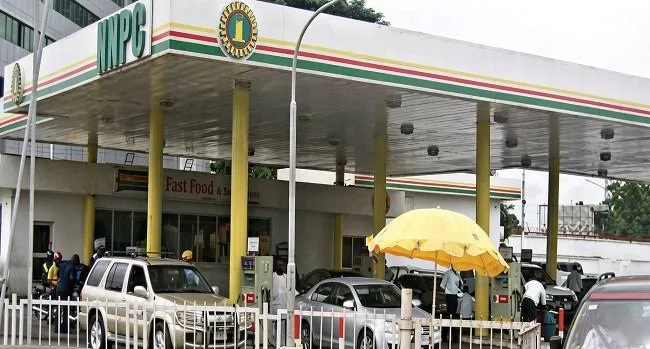
The Federal Government has announced a 30-day discount on petrol sold through Nigerian National Petroleum Company Limited (NNPC) filling stations, giving priority to public transport operators as authorities seek to ease the pressure of rising fuel and transportation costs.
Finance Minister and Coordinating Minister of the Economy, Taiwo Oyedele, announced the measure on Thursday during a press briefing in Abuja, saying the intervention would initially run for 30 days and involve NNPC selling petrol at cost.
Oyedele stressed that the arrangement should not be interpreted as a return to Nigeria’s former petrol subsidy regime. Instead, he described it as a temporary margin discount designed to provide immediate relief, particularly for transport operators whose businesses have been hit by higher fuel costs.
“We are offering a discount on petrol dispensed by NNPC Limited for the next 30 days in the first instance with priority for public transporters nationwide,” Oyedele said.
The government has not yet disclosed the exact amount of the discount per litre or provided full details on how public transport operators will be identified and given priority. That means motorists should not assume that every NNPC station will immediately display a specific new nationwide pump price based solely on Thursday’s announcement.
The announcement comes as petrol prices have climbed sharply in recent months. NNPC’s latest reported retail prices put petrol at ₦1,355 per litre in Lagos and Rivers and ₦1,370 in Abuja, although prices vary by location because of distribution and transportation costs. NNPC had reduced prices by ₦5 per litre earlier on Thursday.
The latest intervention follows a series of price movements in the domestic fuel market. Earlier in October, NNPC reduced prices in Abuja and Lagos after the Dangote Petroleum Refinery lowered its petrol gantry price, while NNPC also ran a separate ₦66 promotional discount through its fuel app between October 1 and October 7.
The government is simultaneously working on a broader mechanism intended to reduce the impact of swings in international oil prices and exchange rates. Oyedele said the government was negotiating a ₦1,350-per-litre ceiling on the ex-gantry or landing cost of petrol, with the arrangement to be reviewed monthly.
Under the proposed mechanism, refiners and importers would absorb temporary increases in their costs when market prices rise above the agreed level and recover the difference when conditions improve. Reuters reported that the plan is intended to reduce sharp movements in petrol prices rather than permanently fixing the pump price.
That distinction is important because the ₦1,350 figure is an ex-gantry or landing-cost ceiling, not necessarily a nationwide retail pump-price cap. The final price paid by motorists can still reflect distribution, transportation and other costs between the refinery or import point and individual filling stations.
The government is also considering forward crude sales to domestic refineries, which Oyedele said could help local producers secure feedstock at more predictable prices and reduce their exposure to international market volatility. Other measures announced include increased support for vulnerable households, subsidized credit, faster deployment of compressed natural gas vehicles and a proposed national strategic fuel reserve.
The renewed government intervention follows a period of intense pressure from elevated global oil prices. Reuters reported in September that petrol had reached around ₦1,400 per litre in Lagos and Abuja and as much as ₦1,500 in parts of northern Nigeria, with higher crude prices linked partly to tensions in the Middle East.
Nigeria's current fuel-price system is a major departure from the arrangement that existed before President Bola Tinubu announced the removal of petrol subsidies in May 2023. The reform sharply increased pump prices but was defended by the government as necessary to reduce the fiscal burden of subsidizing consumption. Reuters reported at the time that the subsidy had been costing the government hundreds of millions of dollars each month.
The government is now taking care to distinguish its temporary measures from a return to blanket subsidy. Oyedele said restoring petrol to its pre-reform price could cost more than ₦20 trillion annually, while a ₦500-per-litre intervention could cost more than ₦16 trillion each year. The government says its current approach is intended to provide targeted relief without recreating the fiscal pressures associated with the former subsidy regime.
The announcement has already attracted political criticism. Former Vice President Atiku Abubakar, the African Democratic Congress presidential candidate, described the 30-day intervention as temporary and questioned what would happen after it expires. He also argued that the government had not explained how much motorists would actually save or guaranteed that lower fuel costs for transport operators would translate into lower fares for passengers.
For millions of Nigerians, the immediate test will therefore be practical rather than technical: how much will the discount reduce the price at the pump, who will qualify for the priority arrangement and whether lower fuel costs will translate into cheaper transportation. The government has said it recognizes that existing measures have not fully eased the pressure on households and businesses.
The broader significance is that Nigeria is attempting to navigate a difficult middle ground between protecting consumers from sudden fuel-price shocks and avoiding a full return to the costly subsidy system it abandoned in 2023. The 30-day NNPC discount may offer short-term breathing room, particularly for public transport operators, but its lasting impact will depend on whether the government's wider price-modulation, domestic-refining and alternative-energy measures can reduce the country's exposure to volatile global oil markets. For consumers, the crucial question remains what happens when the 30 days are over.
Energy
UAE Petrol Prices Jump Over 16% as Residents Turn to Metro, Remote Work
2 Oct 2026
Energy
EU, G7 Move to Release Oil and Diesel Reserves as Fuel Prices Rise
2 Oct 2026
Energy
S&P Global Energy Opens New Abuja Office, Hosts Nigerian Oil and Gas Leaders
26 Sept 2026
Energy
Oil Surges Above $107 as Qatar Pushes New US-Iran Talks
29 Sept 2026
Energy
Dangote Taps Indian Engineering Giant for $16bn Kenya Refinery
24 Sept 2026
You may also like
Global
US Suspends Microsoft, Infosys, Wipro and Major IT Firms From Green Card Programme
8 Oct 2026
Travel & Tourism
Dubai’s Global Village Returns October 14 With AED 25 Tickets and New Attractions
8 Oct 2026
Global
Syria Weighs Military Support for Saudi Arabia as Houthis Escalate
8 Oct 2026
Technology
Samsung Forecasts Record $80 Billion Profit as AI Chip Demand Surges
8 Oct 2026
Travel & Tourism
Trump Moves to Put $70,000 Price Tag on International Students’ U.S. Work Training
8 Oct 2026
Asia
Chinese Militia Boat Spotted Off Taiwan’s East Coast for First Time
8 Oct 2026