Dangote Taps Indian Engineering Giant for $16bn Kenya Refinery
Africa’s richest businessman is expanding his refining ambitions into East Africa after awarding a major engineering contract for a planned $16 billion refinery and petrochemical complex in Kenya.
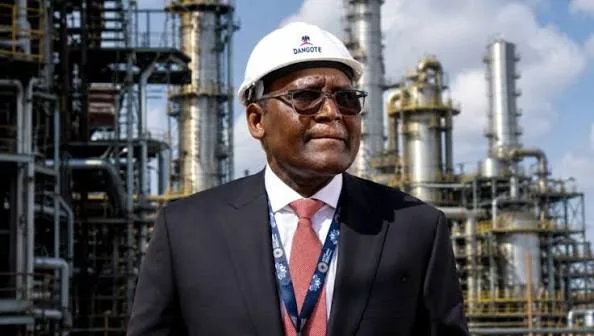
Nigerian billionaire industrialist Aliko Dangote has appointed Engineers India Limited (EIL), an Indian state-controlled engineering consultancy, to play a leading role in the development of a proposed $16 billion greenfield refinery and petrochemical complex in Kenya.
The appointment marks a significant milestone for one of Africa’s most ambitious downstream energy projects. According to EIL, the company has signed a $450 million contract with Dangote to provide project management consultancy and engineering, procurement and construction management (EPCM) services for the refinery, which will be built in Lamu, a strategic coastal town on Kenya’s Indian Ocean shoreline.
The proposed refinery will have a crude-processing capacity of 700,000 barrels per day, making it one of the largest planned refining projects in Africa. The integrated development is also expected to include a petrochemical complex and supporting infrastructure designed to serve the growing fuel demand across East Africa.
EIL is no stranger to Dangote’s refining ambitions. The Indian engineering firm was involved in the development of the 650,000 barrels-per-day Dangote Petroleum Refinery in Lagos, Nigeria, and is currently overseeing its expansion. That existing partnership is widely seen as a key reason behind its selection for the Kenyan mega-project.
In a regulatory filing with the Mumbai Stock Exchange, EIL described the project as strategically important for the region’s energy future, saying it would strengthen domestic fuel production in East Africa, reduce dependence on imported refined petroleum products and enhance regional energy security.
Beyond the refinery itself, the project has a much broader regional dimension. Plans include pipeline infrastructure linking Lamu to Ethiopia, alongside a proposed connection between Djibouti and Ethiopia. Together, these pipelines form part of Dangote’s longer-term vision for a 4,000-kilometre energy network connecting several landlocked countries across East Africa, extending the group’s infrastructure interests well beyond West Africa.
The investment comes as Kenya seeks to strengthen its position as a regional logistics and energy hub. East Africa remains heavily reliant on imported refined fuels despite growing industrialization and rising energy consumption, while neighbouring countries including Uganda, South Sudan and Ethiopia continue to expand their oil and energy sectors. A large-scale refinery in Lamu could significantly reshape fuel supply chains across the region.
The Kenyan project will also expand Dangote Group’s rapidly growing refining portfolio. It will complement the Lagos refinery, currently Africa’s largest single-train refinery, whose capacity is expected to increase from 650,000 barrels per day to about 1.4 million barrels per day by 2029 through an ongoing expansion programme.
While the refinery represents a landmark private-sector investment, major questions remain around financing, crude supply agreements and execution timelines. Large integrated refinery projects typically require substantial infrastructure, long-term feedstock security and coordinated regional investment before reaching full commercial operation.
If completed as planned, the Lamu refinery would do more than increase Africa’s refining capacity. It would extend Dangote’s operations from the Atlantic coast of West Africa to the Indian Ocean, creating one of the continent’s most extensive downstream energy footprints and reinforcing the growing role of African private capital in driving regional industrialization and energy integration.
Energy
S&P Global Energy Opens New Abuja Office, Hosts Nigerian Oil and Gas Leaders
26 Sept 2026
Energy
Shell to Exit Nigeria’s Gas Distribution Business, Sell Stake to Vaaris Energy
14 Oct 2026
Energy
Oil Prices Surge Towards $107 as Attacks on Saudi Arabia, Tankers Rattle Markets
13 Oct 2026
Energy
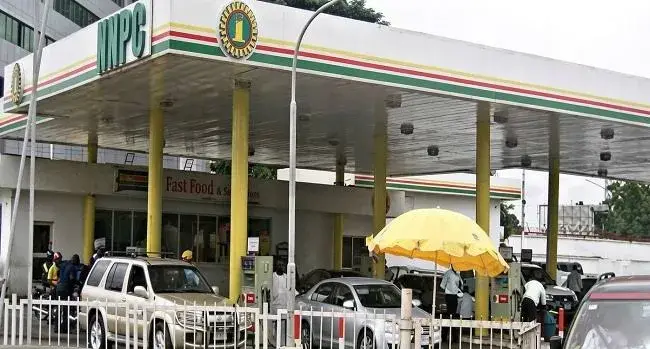
Nigeria Announces 30-Day Petrol Discount at NNPC Stations
8 Oct 2026
Energy
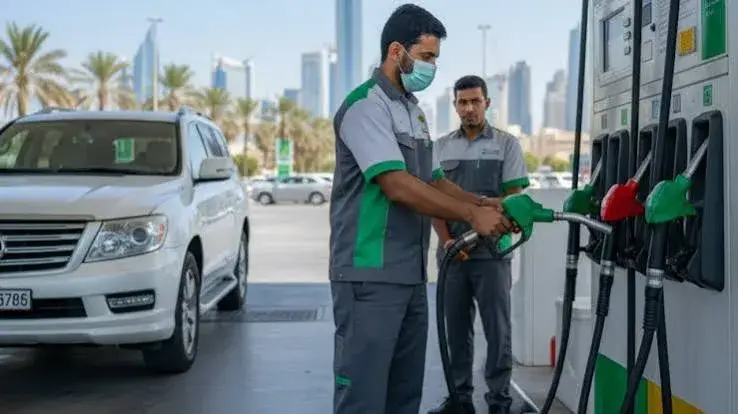
UAE Petrol Prices Jump Over 16% as Residents Turn to Metro, Remote Work
2 Oct 2026
Partner with Follow Global Trends
Display banners, sponsored stories and founder spotlights.
You may also like

Energy
EU, G7 Move to Release Oil and Diesel Reserves as Fuel Prices Rise
2 Oct 2026
Energy
Oil Surges Above $107 as Qatar Pushes New US-Iran Talks
29 Sept 2026
Politics
“I Respect Peter Obi,” Shettima Declares at APC Campaign Council Inauguration
14 Oct 2026

Business
Bumble Agrees to $1.3 Billion Buyout as Revenue and Paying Users Fall
14 Oct 2026

Technology
Google DeepMind Gives European Scientists Access to Advanced AI Research Models
14 Oct 2026

Technology
Meta Deletes 3.7 Million Accounts in West Africa Fraud Crackdown
14 Oct 2026