
Oil Prices Surge Towards $107 as Attacks on Saudi Arabia, Tankers Rattle Markets
Renewed attacks on Saudi Arabia and oil tankers near the Strait of Hormuz have pushed crude prices close to $107 a barrel, raising concerns about fuel costs and global inflation.
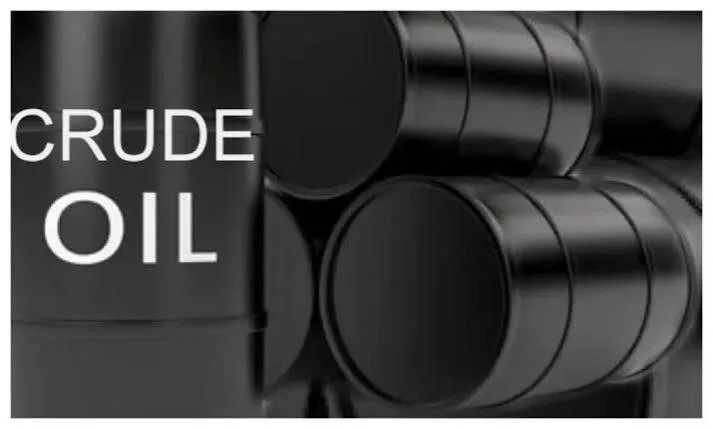
Global oil prices climbed to their highest levels in nearly a month on Monday as escalating attacks in the Middle East renewed fears of disruptions to crude supplies, with Brent futures approaching $107 per barrel despite expectations of additional Russian fuel exports.
Brent crude settled at $106.65 a barrel on October 12, gaining $1.93, or 1.8 per cent, while US West Texas Intermediate (WTI) rose $1.89, or 2 per cent, to $93.74. The rally reflected growing concern that renewed violence could undermine efforts to restore oil shipments from the Gulf region.
The market movement followed a weekend of attacks, including a strike on Riyadh’s King Khalid International Airport that Saudi authorities reported had caused casualties. Yemen’s Iran-aligned Houthi movement claimed responsibility for the attack, while further incidents were reported on Sunday. Separate reports of attacks involving tankers near Oman and the Strait of Hormuz added to concerns about the safety of commercial shipping.
The latest escalation matters because the Strait of Hormuz is one of the world’s most important energy shipping routes, carrying a substantial share of internationally traded oil. Any sustained disruption could delay deliveries, increase shipping and insurance costs, and force buyers to seek supplies from alternative sources.
Although crude exports from the Gulf had recovered during September, the renewed attacks have raised doubts about whether that recovery can be sustained. Traders are now weighing the risk of further interruptions against efforts by producers and governments to increase supplies elsewhere.
The latest price surge came despite US President Donald Trump announcing plans to facilitate additional Russian diesel exports and describing an agreement intended to halt attacks on energy infrastructure between Russia and Ukraine. The prospect of increased fuel supplies offered some relief to traders, but it did not immediately offset concerns about the Middle East.
There are also questions about how quickly Russia could deliver the additional diesel volumes. Analysts have expressed doubts about whether its refining capacity can support the proposed increase, while the reported agreement to suspend attacks on energy infrastructure has faced uncertainty over its implementation.
Oil prices subsequently eased on Tuesday, October 13. Reuters reported Brent crude falling by $1.62 to $105.03 per barrel, while WTI dropped $1.66 to $92.08. The pullback suggests that traders are responding to competing supply signals rather than assuming that the latest attacks will automatically lead to a prolonged shortage.
Nevertheless, the underlying risks remain. Repeated attacks on vessels can discourage shipowners from entering high-risk waters, even when production facilities remain operational. Reduced tanker movements, higher insurance premiums and longer shipping routes can tighten the effective supply of oil available to refiners without requiring a complete shutdown of production.
The uncertainty also complicates decisions by governments and energy companies planning fuel purchases, managing inventories and setting prices for consumers. If the disruption persists, higher crude and freight costs could feed into petrol, diesel, aviation fuel and transport expenses across multiple economies.
For Nigeria, higher international crude prices present both an opportunity and a risk. As a crude oil producer, the country could earn more export revenue when global prices rise, potentially supporting government finances and foreign-exchange inflows. However, the benefit depends on actual production volumes, export arrangements, operating costs and the share of revenue retained after expenses.
Consumers may face a more complicated outcome. International crude prices are only one factor affecting domestic petrol and diesel prices, alongside exchange rates, refining and distribution costs, and local market conditions. A sustained rally could increase pressure on transport operators, manufacturers and businesses that depend heavily on fuel, potentially adding to the cost of goods and services.
The effect on Nigeria’s fuel market will also depend on domestic refining capacity and the extent to which locally supplied products reduce exposure to imported refined fuels. Even when domestic refineries meet more local demand, crude pricing, logistics and other input costs can still influence the final price consumers pay.
Ultimately, the latest oil rally demonstrates how quickly geopolitical instability can affect energy markets far beyond the conflict zone. For oil-producing countries such as Nigeria, higher prices can improve revenue prospects, but they can also bring greater domestic cost pressures and uncertainty. Whether the current surge becomes a lasting trend will depend on the security of shipping routes, the scale of any supply losses and the ability of producers to compensate for disrupted flows.

Energy
Oil Surges Above $107 as Qatar Pushes New US-Iran Talks
29 Sept 2026

Energy
UAE Petrol Prices Jump Over 16% as Residents Turn to Metro, Remote Work
2 Oct 2026

Energy
EU, G7 Move to Release Oil and Diesel Reserves as Fuel Prices Rise
2 Oct 2026
Energy
Nigeria Announces 30-Day Petrol Discount at NNPC Stations
8 Oct 2026
Energy
S&P Global Energy Opens New Abuja Office, Hosts Nigerian Oil and Gas Leaders
26 Sept 2026
You may also like

Energy
Dangote Taps Indian Engineering Giant for $16bn Kenya Refinery
24 Sept 2026

Politics
Elon Musk Donates $276 Million to Boost Republicans Chances Ahead of US Midterms
13 Oct 2026

Global
Trump Ally Kimberly Guilfoyle Quits Greece Ambassador Role After $100,000 Payment Allegation
13 Oct 2026
Business
Dangote Refinery’s Profit Soars to $4.7bn as ₦2.15tn IPO Deadline Moves to October 27
13 Oct 2026

Africa
Formula 1 Returns to Africa After 33 Years With Historic Rwanda Grand Prix Deal
13 Oct 2026

Politics
Brazil Cuts Fuel Taxes as Lula Faces Crucial Presidential Runoff
13 Oct 2026