
EU, G7 Move to Release Oil and Diesel Reserves as Fuel Prices Rise
European governments have backed coordinated action to release fuel reserves as surging diesel prices put pressure on consumers and businesses.
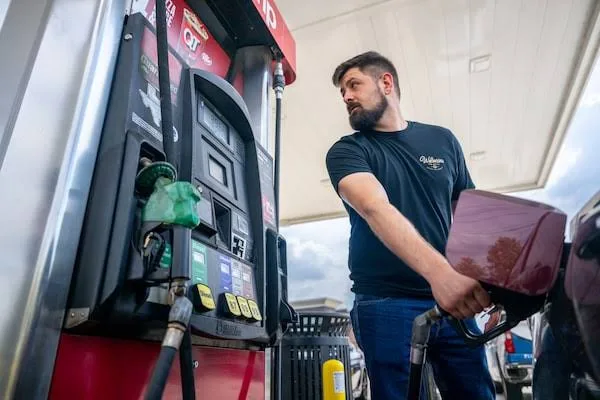
European Union governments have discussed a French proposal to release 50 million barrels of diesel from emergency stocks as soaring fuel prices and tight refined-product supplies put growing pressure on European economies.
The proposal was considered during a call involving EU governments on Friday, with France suggesting that European countries release 50 million barrels of diesel while International Energy Agency (IEA) members contribute another 50 million barrels of crude oil. The proposal was part of a wider effort to increase supplies quickly and ease pressure on fuel markets.
The discussions came as the United States pushed European allies to release more fuel from their reserves. Washington has been seeking additional supplies to bring down sharply higher domestic diesel prices and had been considering restrictions on US diesel exports if other countries did not take action. The possibility of an American export ban has been particularly concerning for Europe because the continent has become an important destination for US refined fuel.
France's proposal also reflected a practical concern in the current market: releasing diesel directly could provide faster relief than releasing crude oil, because crude would still need to be processed by refineries before reaching motorists, truck operators, farmers and other fuel consumers.
European fuel markets have been under pressure despite the European Commission saying that supplies remain stable for now. The Commission said on October 2 that diesel prices remain high because of global market tightness, while its Energy Union Task Force met with national authorities to examine possible responses. The Commission said it would continue coordinating with member states and monitoring the market closely.
The pressure is being felt beyond the fuel pump. Diesel is heavily used in road freight, agriculture, construction, shipping and industry, meaning sustained price increases can feed into transportation and production costs and eventually affect the prices consumers pay for goods.
The current squeeze is also different from a straightforward shortage of crude oil. The IEA says refined-product flows have been particularly constrained, with disruptions affecting diesel supplies. Ukrainian attacks on Russian refineries have added to those pressures, while the continuing crisis around the Strait of Hormuz has complicated global energy flows.
Europe is also entering the latest phase of the crisis with less room to treat emergency reserves as an unlimited source of supply. In March, IEA member countries agreed to make 400 million barrels from emergency stocks available to the global market, the largest coordinated stock release in the agency's history. By October 2, about 325 million barrels, or more than 80% of that commitment, had already been released.
That background explains the balancing act facing European governments. Strategic stocks exist precisely to cushion major supply disruptions, but drawing them down too aggressively can reduce the buffer available if the crisis continues or worsens. The IEA requires member countries to maintain oil stocks equivalent to at least 90 days of net imports, although countries can meet that obligation through a combination of government and industry-held stocks.
By Friday afternoon, the discussion had developed into a broader G7 agreement. Leaders agreed that the IEA would coordinate the release of 100 million barrels of oil and other reserves over four months, with a substantial amount of diesel to be released during the first 20 days. The leaders also agreed to avoid energy export restrictions between G7 countries and asked the IEA to monitor the effect of the measures on markets and energy security.
French President Emmanuel Macron, whose country holds the 2026 G7 presidency, said the coordinated release was intended to help loosen pressure on global energy prices. The French presidency said G7 leaders also agreed to maximize refinery output where possible and coordinate maintenance schedules to avoid unnecessary simultaneous shutdowns.
US President Donald Trump welcomed the European action, saying Europe had agreed to release a large quantity of diesel from its stocks. His administration had been pressing European governments for faster action as fuel prices rose in the United States. The final G7 arrangement, however, is broader than the original French proposal and is being coordinated through the IEA rather than representing a standalone EU diesel release.
For European consumers, the immediate question is whether additional supply will translate into lower prices quickly enough to ease pressure on household budgets and businesses. For governments, the bigger challenge is maintaining sufficient reserves while the geopolitical disruptions affecting oil and refined products remain unresolved.
The significance of the agreement extends beyond diesel prices. Europe is effectively using emergency energy reserves as a bridge while governments work to stabilize supply, increase refining capacity and protect trade routes. Whether that bridge is enough will depend on how long the disruptions last and how quickly global refined-fuel production recovers. For now, the coordinated release represents an attempt by Europe and its G7 partners to buy time for a market under exceptional pressure without allowing temporary supply stress to become a deeper economic shock.

Energy
UAE Petrol Prices Jump Over 16% as Residents Turn to Metro, Remote Work
2 Oct 2026
Energy
Oil Surges Above $107 as Qatar Pushes New US-Iran Talks
29 Sept 2026
Energy
S&P Global Energy Opens New Abuja Office, Hosts Nigerian Oil and Gas Leaders
26 Sept 2026
Energy
Dangote Taps Indian Engineering Giant for $16bn Kenya Refinery
24 Sept 2026

Entertainment
Sean ‘Diddy’ Combs’ Release Date Brought Forward Again to January 2028
3 Oct 2026
You may also like

Business
Amazon AWS to Invest More Than $1 Billion in US Data Centre Communities Over Five Years
3 Oct 2026
Global
Russian Strikes Hit Kyiv’s Dnipro Crossings, Triggering Traffic Chaos
3 Oct 2026

Transport Aviation
FlyDubai Co-Pilot Identified as Hamam Al-Hammami as Questions Grow Over Security Vetting
3 Oct 2026
Travel & Tourism
Sardinia: Inside Italy’s Blue Zone Where Exceptional Longevity Has Made the Island a Global Travel Curiosity
3 Oct 2026

Technology
Starbase Technologies Puts Emerging African Creators in the Spotlight with Yolly
3 Oct 2026

Transport Aviation
UAE Investigation Finds Flydubai Co-Pilot Tried to Seize Plane in Terrorist Act
3 Oct 2026