
UAE Investigation Finds Flydubai Co-Pilot Tried to Seize Plane in Terrorist Act
UAE prosecutors say the flydubai co-pilot attacked the captain with a cockpit axe and attempted to take control of the aircraft in what they describe as a terrorist act.

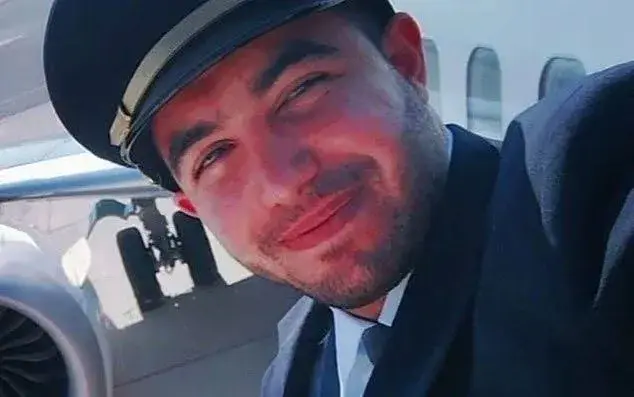
The United Arab Emirates says the co-pilot of flydubai Flight FZ1073 attempted to carry out a terrorist act during Wednesday's Dubai-to-Tel Aviv flight, attacking the captain with the aircraft's emergency crash axe and trying to seize control of the plane.
The new details were announced on Saturday by UAE Attorney-General Counsellor Dr Hamad Saif Al Shamsi, who said the investigation had established that the co-pilot began carrying out the plan while the aircraft was airborne. According to the UAE's official Emirates News Agency, the co-pilot attacked the captain inside the cockpit and attempted to take control of the aircraft's flight controls.
The announcement represents a significant development from the UAE's earlier position. On Thursday, prosecutors had said they were investigating whether the incident was connected to terrorist activity, whether it had been planned in advance and whether anyone else had directed or assisted it. Authorities at that stage urged the public to avoid speculation while evidence was being collected.
The latest statement does not, however, close the investigation. Al Shamsi said authorities are still working to establish the full circumstances, the motive behind the attack and any possible connections. Investigators are also examining technical evidence as well as physical and digital material recovered during the probe. The UAE says final findings will be announced after the remaining investigative procedures are completed.
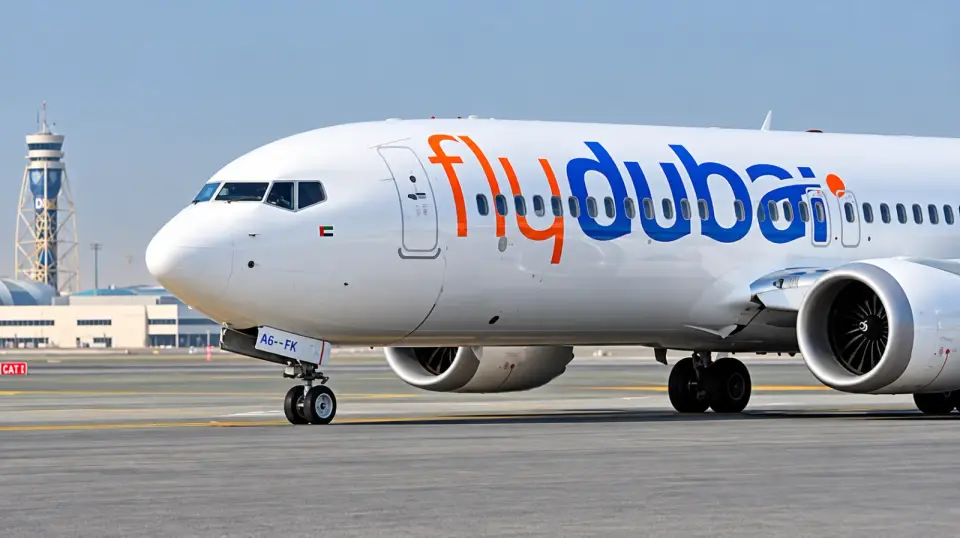
The incident occurred on September 30, when FZ1073 was travelling from Dubai International Airport to Tel Aviv. A confrontation broke out in the flight deck, prompting other crew members and passengers to intervene. The aircraft was diverted and eventually landed safely at Tabuk Airport in Saudi Arabia. Flydubai confirmed that everyone aboard was safe.
The UAE's findings are broadly consistent with preliminary information released by Saudi authorities earlier in the investigation. Saudi officials said an altercation had occurred in the cockpit in which the co-pilot assaulted the captain, leaving both pilots injured. The pilots were later transferred to the UAE as the investigation moved forward.
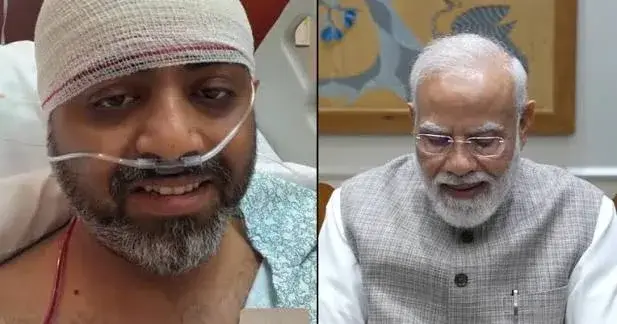
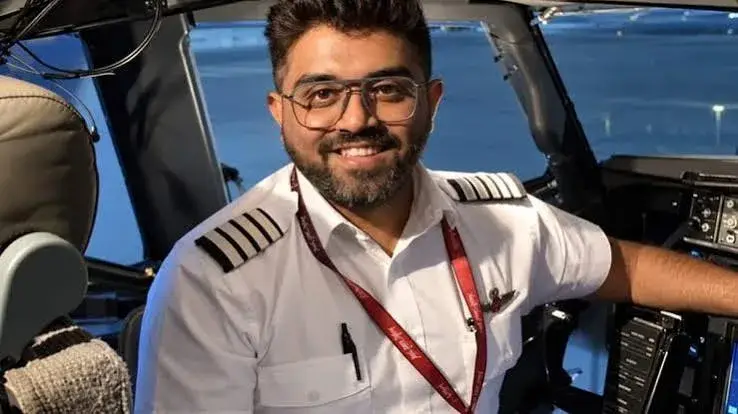
Captain Smit Machchhar, the Indian pilot who was attacked, has described how he continued trying to protect the aircraft despite his injuries. Speaking to Indian Prime Minister Narendra Modi from hospital, Machchhar said he realised the aircraft was descending and used his remaining strength to open the cockpit door, enabling others to intervene.
The UAE General Civil Aviation Authority has praised Machchhar, the rest of the crew and passengers for their rapid response. The authority said their intervention helped contain the emergency and prevent more serious consequences. It also confirmed that Machchhar had returned safely to the UAE and was receiving medical treatment.
Flydubai CEO Ghaith Al Ghaith had earlier thanked the captain, crew members and passengers who helped secure the aircraft, describing the situation as difficult and expressing appreciation to Saudi and UAE authorities for their response. The airline has also temporarily suspended its Tel Aviv operations at the request of the relevant authorities.
The investigation is now turning to the questions that remain unanswered: why the co-pilot acted, whether the attack was independently planned, and whether anyone else was involved or directed it. UAE prosecutors have not yet publicly established a motive or announced any confirmed connection to an extremist organisation. Those issues remain part of the ongoing inquiry.
Reports have circulated about the co-pilot's background and alleged previous security concerns, while Israeli officials have also made claims about possible extremist motives. Those claims should remain separate from the UAE's confirmed investigative findings unless and until investigators formally establish them. The UAE's latest statement confirms the alleged terrorist act and attempted takeover, but says the wider circumstances and connections are still being examined.
The case has also raised difficult questions for the international aviation industry about insider threats and the safeguards surrounding flight crews. Cockpit security systems are primarily designed to prevent unauthorised access, while an attack originating from within the flight deck presents a fundamentally different challenge. Any changes to pilot screening, security procedures or international information-sharing would depend on the final findings of the investigation.
For now, the most important fact is that a potentially catastrophic aviation incident ended without the loss of life. The captain's actions, the intervention of crew and passengers, and the subsequent safe diversion prevented a crisis aboard FZ1073 from becoming a mass-casualty disaster. But the investigation has entered a more serious phase: authorities must now establish not only how the attack was carried out, but why it happened, whether it was planned and whether anyone else was connected to it. Those answers will determine the lasting aviation and security lessons from Flight FZ1073.
Transport Aviation
Indian Flydubai Pilot Says He Fought to Save 174 Passengers
2 Oct 2026
Transport Aviation
Who Is Captain Smit Machchhar? The Pilot at the Centre of Flydubai FZ1073 Emergency
3 Oct 2026

Transport Aviation
Flydubai CEO Thanks Captain, Passengers After Mid-Air Cockpit Incident
2 Oct 2026
Transport Aviation
FlyDubai Co-Pilot Identified as Hamam Al-Hammami as Questions Grow Over Security Vetting
3 Oct 2026
Transport Aviation
Israel-Bound Flydubai Flight Diverts to Saudi Arabia After Mid-Air Cockpit Altercation
30 Sept 2026
Partner with Follow Global Trends
Display banners, sponsored stories and founder spotlights.
You may also like

Transport Aviation
From Plumber to Dentist: The Ordinary Passengers Who Became FlyDubai Heroes
3 Oct 2026

Transport Aviation
Mayday Call After Private Jet Loses Door Shortly After Take-Off in Abuja
16 Oct 2026
Transport Aviation
Military Plane Crash: No Survivors Found as Nigeria Enters Three Days of Mourning
6 Oct 2026

Transport Aviation
Airbus Ramps Up Aircraft Deliveries, Ships Over 70 Planes in September
2 Oct 2026
Transport Aviation
Two Navy Aviators Eject During USS Eisenhower Landing, Four Injured
29 Sept 2026
Transport Aviation
News Helicopter Crashes in Los Angeles Commercial Area, Killing At Least Three
16 Sept 2026