
FlyDubai Co-Pilot Identified as Hamam Al-Hammami as Questions Grow Over Security Vetting
New reports have identified the Omani co-pilot at the centre of the FlyDubai cockpit attack and raised questions over his previous aviation career and security vetting.
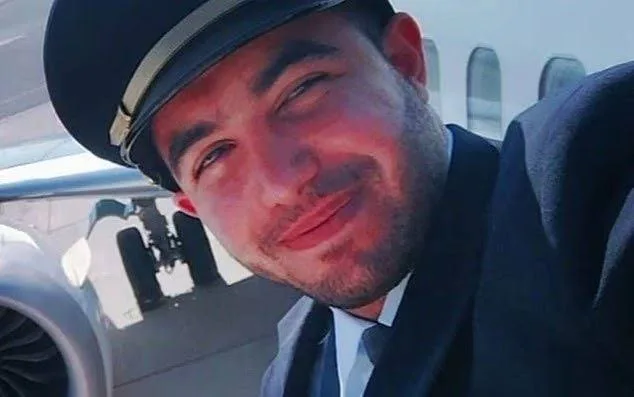
New details are emerging about the Omani co-pilot accused of attacking the captain of a FlyDubai flight bound for Tel Aviv, as investigators examine his previous employment, alleged extremist views and how he was able to enter the cockpit of a commercially operated aircraft despite earlier security concerns.
Multiple international media reports have identified the suspect as Hamam al-Hammami, an Omani national. The identification has been attributed to people familiar with the case, an Israeli official and Saudi state-linked reporting, although authorities have not publicly released a full official biography confirming every detail of his identity. Reports say he was born in the United Arab Emirates to an Omani father and Syrian mother and spent substantial periods of his life in the UAE.
His name came into public focus after FlyDubai flight FZ1073, travelling from Dubai to Tel Aviv on September 30, was forced into an emergency landing in Saudi Arabia following a violent confrontation inside the cockpit.
According to the UAE Attorney-General, Hamam attacked Captain Smit Machchhar with a cockpit crash axe and attempted to take control of the aircraft. The UAE prosecutor has described the incident as an attempted terrorist act, while stressing that investigators are still working to establish the full circumstances, motives and any connections behind it. Technical examinations and analysis of physical and digital evidence are continuing.
The attack left Captain Machchhar injured, but he managed to open the cockpit door, allowing passengers and crew members to intervene. Other pilots who were travelling as passengers subsequently helped bring the aircraft under control before it landed at Tabuk Airport in Saudi Arabia. FlyDubai has said everyone aboard survived.
The background now being examined is particularly significant because al-Hammami had reportedly attracted attention during his earlier career with Oman Air.
CNN, citing sources familiar with the matter, reported that he had spent about seven years with Oman Air before leaving in February 2025. During his time there, concerns were reportedly raised about extremist views and his online activity. Sources said Omani authorities had detected visits to radical websites while he was undergoing pilot training, after which he was removed from flying duties and transferred to an administrative role.
A LinkedIn profile bearing his name also listed a subsequent period with Royal Air Maroc, beginning in June 2025 and ending in January 2026. The profile did not list FlyDubai, although a source cited by CNN said the account belonged to the pilot involved in the incident. The account has since been removed.
That employment history has become central to questions about aviation security. Reports indicate that al-Hammami eventually joined FlyDubai and had been working there for roughly eight months before the September 30 incident. It remains unclear from publicly available information what information was exchanged between the relevant authorities and airlines about the earlier concerns surrounding him, and precisely what checks were carried out when he was recruited.
Further scrutiny has focused on online material reportedly associated with a LinkedIn account in his name. CNN and other outlets reported that two posts appeared on the account several hours after the flight incident. One reportedly contained cockpit footage involving Boeing 737 aircraft and images of Israeli airline aircraft before ending with photographs of figures associated with al-Qaeda. Another reportedly contained religious imagery. Investigators have not publicly established who uploaded the material or whether the posts had been scheduled in advance.
Other reports have described deleted social-media material allegedly linked to al-Hammami, including strongly conservative and hostile views about women working alongside men. The Indian Express reported that an analysis of thousands of deleted posts attributed to him showed hardline religious views. Those reports remain part of the broader investigation into his background rather than proof, on their own, of a particular organizational affiliation.
There are also claims circulating online that he travelled to Turkey in May 2026 and Pakistan in August 2026, and that a personal diary contained praise for figures including Osama bin Laden, Abu Bakr al-Baghdadi and Maulana Masood Azhar. FollowGlobalTrends could not independently verify those specific claims through authoritative sources, and they have not been included here as established findings. The distinction is important as investigators continue to determine whether the suspect acted alone or had assistance or connections to an extremist organization.
The investigation is also examining how an Omani national previously removed from flying duties over reported ideological concerns was later cleared to serve as a co-pilot on a route between the UAE and Israel. Oman and Israel do not have diplomatic relations, adding another layer to questions about the procedures used to approve crew members for such flights. Reports have suggested that Israeli and regional security agencies are examining the matter alongside the UAE investigation.
For FlyDubai, the incident has already produced operational consequences. The airline previously announced that, at the request of relevant authorities, it had temporarily suspended its Tel Aviv operations while the investigation proceeded. The company has also praised Captain Machchhar, the crew and passengers whose actions helped prevent the aircraft from becoming a much larger disaster.
The significance of the case now extends beyond the identity of one pilot. It has raised a fundamental aviation-security question: how should airlines and regulators handle information about personnel who may have previously triggered security concerns, particularly when those individuals move between airlines and countries? The UAE investigation may ultimately provide answers about the suspect's motive, his contacts and the effectiveness of the vetting process. Until those findings are released, claims about his wider intentions or alleged extremist connections need to remain clearly separated from what investigators have actually established.
Transport Aviation
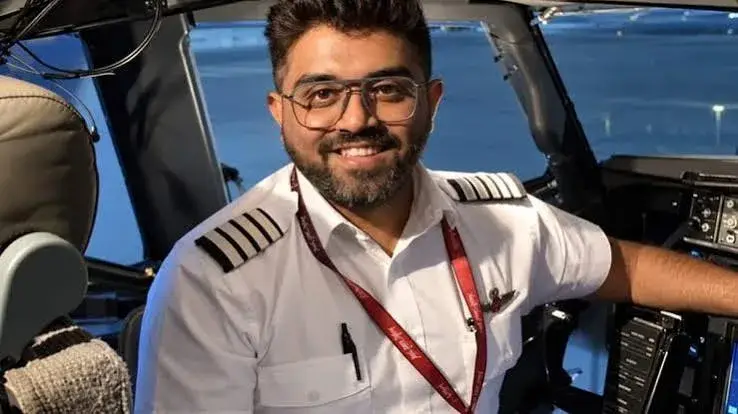
Who Is Captain Smit Machchhar? The Pilot at the Centre of Flydubai FZ1073 Emergency
3 Oct 2026

Transport Aviation
UAE Investigation Finds Flydubai Co-Pilot Tried to Seize Plane in Terrorist Act
3 Oct 2026

Transport Aviation
Flydubai CEO Thanks Captain, Passengers After Mid-Air Cockpit Incident
2 Oct 2026
Transport Aviation
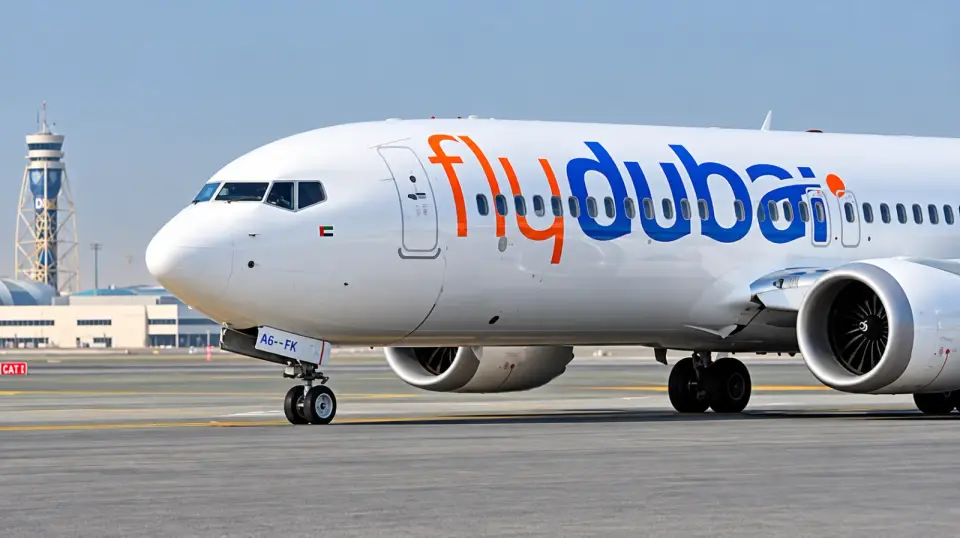
Israel-Bound Flydubai Flight Diverts to Saudi Arabia After Mid-Air Cockpit Altercation
30 Sept 2026
Transport Aviation
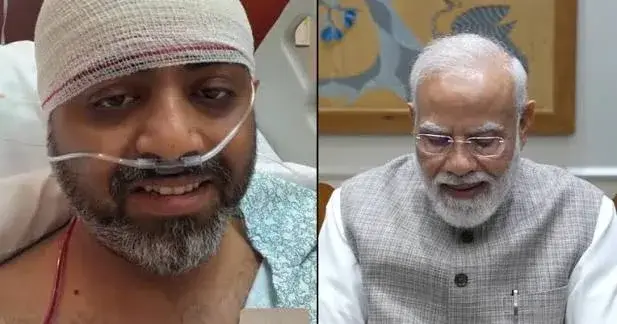
Indian Flydubai Pilot Says He Fought to Save 174 Passengers
2 Oct 2026
Partner with Follow Global Trends
Display banners, sponsored stories and founder spotlights.
You may also like

Transport Aviation
From Plumber to Dentist: The Ordinary Passengers Who Became FlyDubai Heroes
3 Oct 2026

Transport Aviation
Mayday Call After Private Jet Loses Door Shortly After Take-Off in Abuja
16 Oct 2026

Transport Aviation
Enugu Air Goes International With Non-Stop Enugu–Douala Flights
21 Sept 2026

Transport Aviation
RwandAir Hit with ₦15 Million NCAA Penalty Over Passenger’s Damaged Bag
13 Sept 2026
Transport Aviation
China Expands World’s Largest High-Speed Rail Network by 1,142km
24 Oct 2026

Transport Aviation
Dubai Changes Speed Limits on Five Major Roads From November 1
23 Oct 2026