Widespread flight cancellations have intensified across key international corridors as major airlines extended route suspensions on Wednesday, October 28, 2026. The mounting travel disruptions stem from lingering security concerns and restricted operations at central aviation hubs, leaving thousands of passengers stranded or forced onto complicated diversions across the Middle East and beyond.
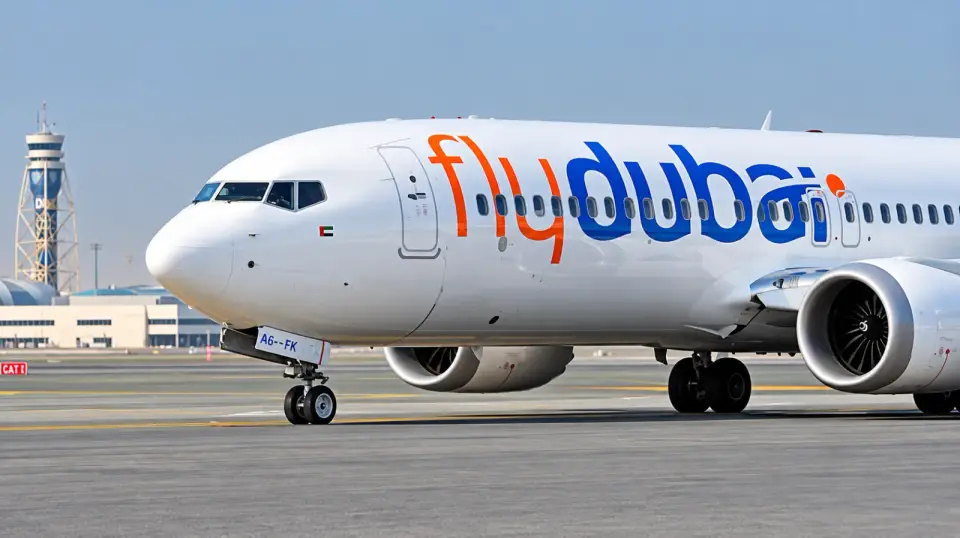
Leading global and regional carriers have pushed back resumption dates for scheduled services. Flag carriers and regional operators, including Emirates, Etihad Airways, flydubai, and Air Arabia, confirmed that suspensions affecting flights into Saudi Arabia will remain in place through early November. Several intercontinental airlines, including Lufthansa, KLM, and Air India, have enacted similar protective measures, halting flights or rerouting aircraft through alternative air corridors.
While airport authorities in Riyadh reopened King Khalid International Airport under a phased schedule, foreign airlines remain cautious. Operations at the facility are currently restricted, with international arrivals and departures consolidated into Terminal 2 while domestic traffic moves through Terminal 1. Flight tracking data indicates that despite the partial reopening, a substantial share of scheduled international commercial flights remains grounded or cancelled.
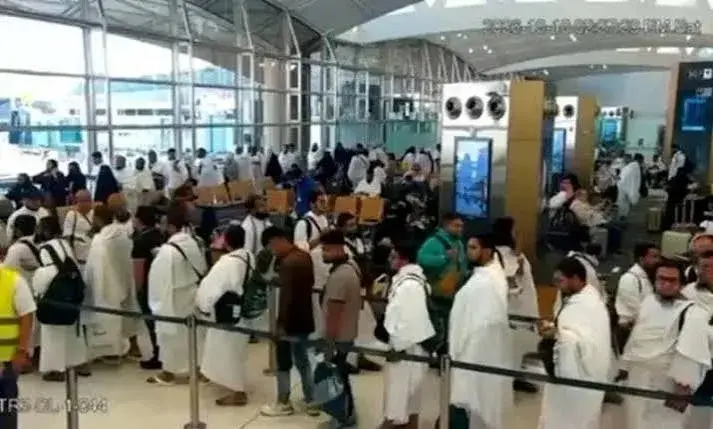
The wave of flight cancellations has triggered severe logistical ripple effects across international transit gateways. Busy connecting hubs such as Dubai International Airport and Zayed International Airport in Abu Dhabi are handling thousands of rebooking requests from displaced long-haul travelers. Airline customer service desks are processing extensive ticket refunds and rerouting travelers onto partner networks where seat availability permits.
Passengers facing disrupted itineraries are navigating differing compensation rules depending on their carrier and booking origin. Aviation regulators in multiple jurisdictions are reminding travelers that airlines must provide timely notifications, rebooking options, and prompt refunds when flights are cancelled without comparable alternative transport.
To maintain essential connectivity, regional carriers are deploying creative operational workarounds. Saudi national carriers have shifted selected international departures to regional airports such as Al Qassim and Dammam. Meanwhile, international operators are monitoring airspace advisories in real time, avoiding high-risk sectors and carrying additional fuel reserves to accommodate unexpected diversions.
Aviation analysts note that flight schedules are likely to remain volatile until regional security assessments stabilize. Travelers holding reservations through the affected corridors are strongly advised to verify flight status directly through official airline notification systems before traveling to departure terminals.