Nigeria’s national train network recorded significant commuter growth as NRC rail passengers reached 1,075,023 during the third quarter of 2026.
Commuter reliance on train travel expanded steadily across all three months. Official tallies recorded 345,942 journeys in July, climbing to 363,261 in August. Passenger movement continued an upward trend through September, recording 365,820 trips.
The consistent expansion highlights strong public preference for rail travel over interstate highways, particularly along commercial and regional transport corridors.
High Commuter Volume on Key Lines
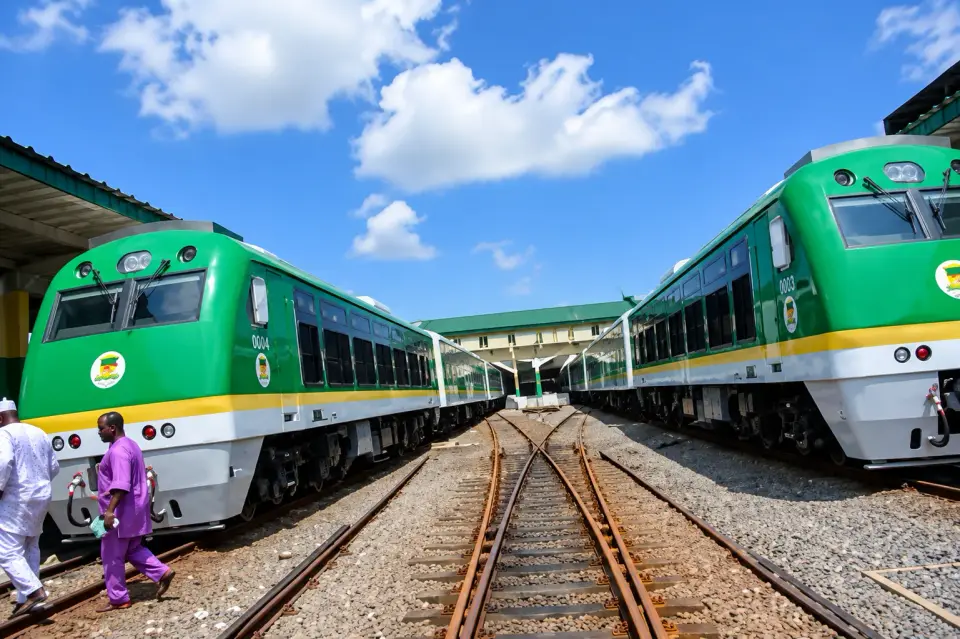
Commuter traffic remained distributed across narrow-gauge regional services and modern standard-gauge tracks.
Regional narrow-gauge routes accounted for the majority of passenger journeys, carrying 601,088 travelers across the quarter. Mass transit commuter trains in major urban centers moved 481,381 riders. The eastern line connecting Aba and Port Harcourt carried 97,506 passengers, while intra-city transit in Jos handled 22,201 travelers.
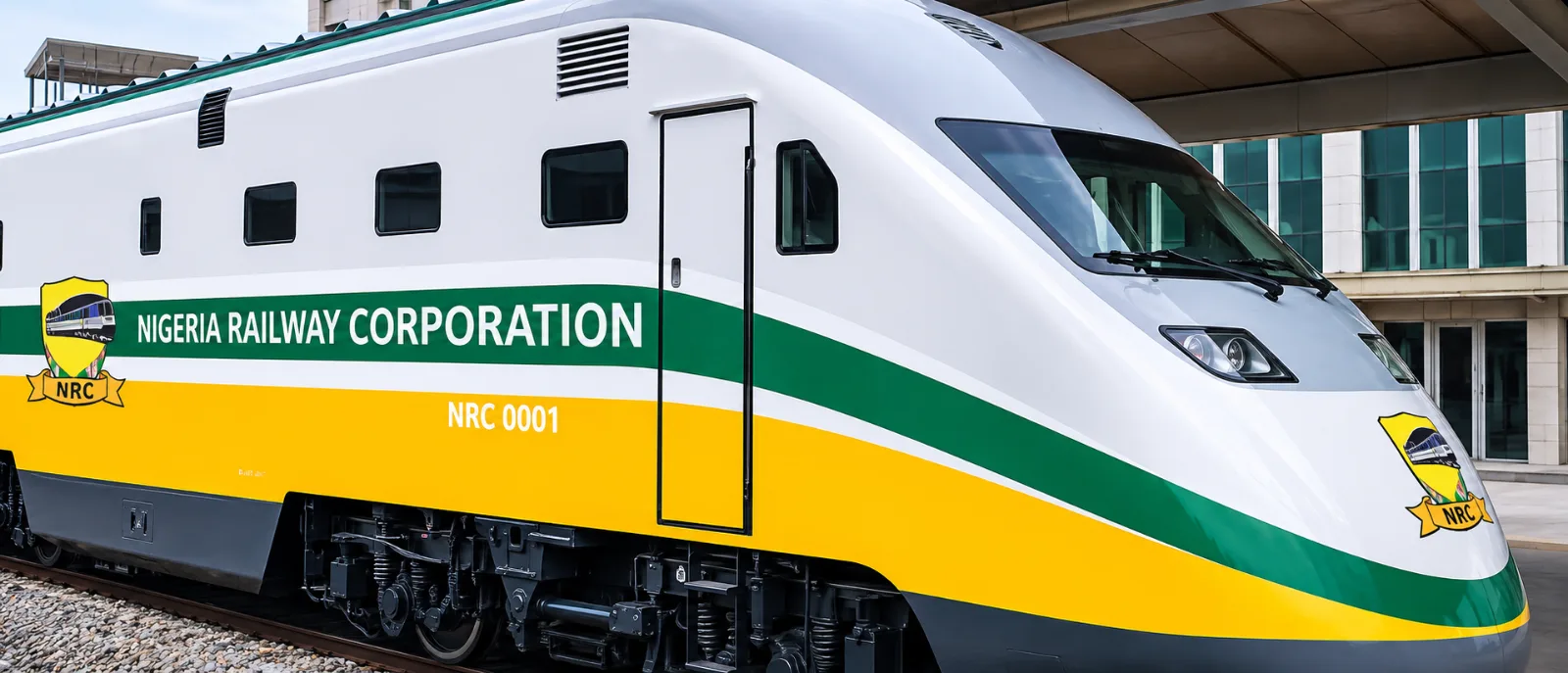
Modern standard-gauge services carried 473,935 travelers over the same period. The flagship Lagos–Ibadan service led this sector, recording 357,410 total journeys and peaking in August at 133,652 trips. Meanwhile, the Abuja–Kaduna corridor accommodated 85,489 journeys, and the central route connecting Warri and Itakpe recorded 30,762 travelers.
Freight Setbacks Contrast Passenger Growth
While total NRC rail passengers increased each month, commercial freight operations faced operational headwinds.
Total rail cargo volume reached 169,060 units between July and September. However, overall haulage contracted by 24.7 percent in September, falling from 61,980 units in August to 46,640 units.
Standard-gauge operations moved 166,180 cargo units, representing more than 98 percent of all freight carried during the quarter. In contrast, narrow-gauge cargo haulage moved 2,880 units in July and recorded no freight movement in August or September.
Ensuring Operational Balance for Rail Networks
The divergence between rising traveler numbers and declining cargo volume creates a distinct operational challenge.
Sustained patronage among NRC rail passengers demonstrates substantial public demand for safe and reliable intercity mass transit. However, freight haulage typically supplies higher commercial revenues needed to maintain track infrastructure and train sets.
Transportation authorities face the ongoing task of resolving narrow-gauge cargo bottlenecks while continuing to serve NRC rail passengers across high-demand passenger corridors.