
Long Fuel Queues Grip Iraq Despite Its Vast Oil Wealth
Iraq is facing severe fuel shortages despite its vast oil wealth, as regional conflict disrupts fuel imports and leaves motorists waiting for hours at petrol stations.
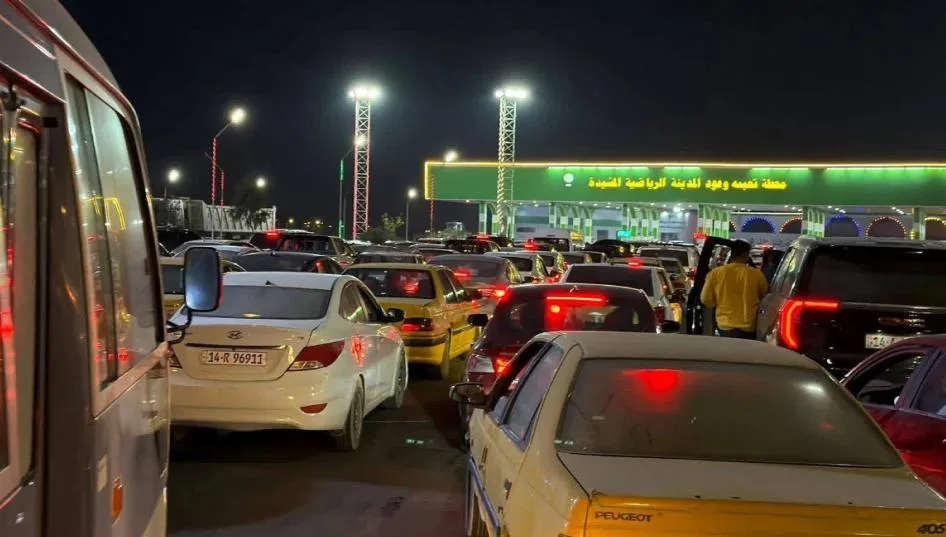
Long queues have formed outside petrol stations across Iraq after a sharp gasoline shortage swept through several provinces, exposing the country’s dependence on imported refined fuel despite being one of the world’s largest oil producers.
The crisis has been triggered by disruptions to fuel supply chains linked to the escalating regional conflict, which has affected the movement of petroleum products through key transport corridors. Iraqi authorities say delays in imports have reduced gasoline availability, forcing stations to ration supplies and leaving thousands of motorists waiting for hours to fill their vehicles.
The shortages have been reported in Baghdad as well as several central and southern provinces, where demand has surged while deliveries remain inconsistent. Many stations temporarily suspended sales after exhausting their daily allocations, while others introduced purchase limits in an effort to prevent panic buying. The Nation +1
Iraq’s Oil Ministry has sought to reassure the public that the situation is temporary. Officials said emergency measures are underway to increase domestic distribution, redirect fuel stocks and accelerate the arrival of imported gasoline. The ministry also urged citizens not to stockpile fuel, arguing that additional supplies are expected to stabilize the market. This Day Live +1
The disruption highlights a longstanding paradox in Iraq’s energy sector. Although the country is the second-largest oil producer in OPEC and exports millions of barrels of crude oil each day, it still relies heavily on imported gasoline because its refining capacity has historically lagged behind domestic demand. Successive governments have invested in expanding refineries, but import dependence has not been fully eliminated.
Economists warn that prolonged shortages could ripple beyond motorists. Fuel scarcity often raises transportation costs, disrupts commercial deliveries and puts additional pressure on inflation, particularly in cities where road transport underpins the movement of food and essential goods. While diesel supplies have remained relatively more stable, gasoline shortages have had the most immediate impact on private vehicles and urban mobility.
Regional tensions have increasingly complicated energy logistics across the Middle East, with conflict affecting shipping routes, border crossings and the movement of refined petroleum products. Even countries rich in crude oil are not immune when refinery output and import networks are interrupted by geopolitical instability.
For Iraq, the queues outside filling stations are more than a temporary inconvenience, they underscore the strategic challenge of converting vast crude oil reserves into reliable domestic energy security. As the government works to restore supplies, the episode serves as a reminder that oil wealth alone does not guarantee resilience when regional conflicts disrupt the refined fuel chain.
More on Middle East
Middle East
US Completes Iraq Troop Withdrawal, Ending 12-Year Anti-ISIS Mission
30 Sept 2026
Middle East
US Mission in UAE Warns Americans of Possible Travel Disruptions Amid Rising Middle East Tensions
20 Sept 2026
Middle East
Saudi Arabia on Alert After Second Riyadh Airport Attack in Two Days
12 Oct 2026
Middle East
Iran Says There Is No Military Solution to Middle East War
5 Oct 2026
Middle East
Emergency Alerts Sound Across Riyadh After Reported Explosions
20 Sept 2026
Partner with Follow Global Trends
Display banners, sponsored stories and founder spotlights.
You may also like
Middle East
Hormuz Shipping Traffic Dwindles as Middle East Attacks Intensify
17 Sept 2026
Middle East
Houthis Report Deadly Saudi Airstrikes as Kingdom Issues Mass Alerts
15 Sept 2026
Middle East
BRICS Calls for Maximum Restraint as Middle East Tensions Escalate
13 Sept 2026
Middle East
Saudi Oil Pipeline Shut Down After Attack Triggers Fires
12 Sept 2026
Middle East
Houthis Reportedly Seize Yemen's Strategic Red Sea Port of Mokha
11 Sept 2026
Middle East
Hormuz Standoff Escalates as Iran and US Exchange Military, Economic Strikes
9 Sept 2026