
Italy Plans School Face Covering Ban, Caps on Foreign Students Per Class
Prime Minister Giorgia Meloni says the proposed measures are aimed at strengthening integration and reinforcing Italy’s national identity.

Italian Prime Minister Giorgia Meloni has announced plans to ban face coverings in schools and introduce limits on the number of foreign students allowed in individual classrooms, unveiling the proposals as part of a broader education agenda at a youth event organized by her right-wing party.
The proposed measures, which would require parliamentary approval before becoming law, were presented by Meloni as efforts to promote social cohesion, improve classroom integration and ensure that schools remain places where students fully participate in civic life. Speaking to supporters, she said education should play a central role in building a shared national identity while helping children from different backgrounds integrate successfully into Italian society.
Under the proposal, face coverings would be prohibited inside schools, although the government has not yet released the full legal text detailing possible exemptions or implementation guidelines. Meloni also said her government intends to introduce a cap on the proportion of foreign students in each class, arguing that balanced classrooms would improve language learning and educational outcomes for both Italian and immigrant pupils.
The announcement immediately drew political attention across Italy, with supporters describing the measures as practical integration policies while critics questioned whether they could stigmatize migrant communities or create new barriers to equal access in public education. Opposition parties have called for the government to clarify how the proposed classroom quotas would be applied in schools with large immigrant populations.
Immigration has remained one of the defining issues of Meloni’s premiership, with her administration pursuing tougher border policies while advocating stronger integration for migrants already living in Italy. Education has increasingly become part of that conversation, particularly in cities where schools serve large numbers of children from diverse linguistic and cultural backgrounds.
Education experts have previously argued that successful integration depends on adequate language support, teacher resources and inclusive classroom environments, while others contend that limiting concentrations of non-Italian speakers may help improve learning outcomes if implemented alongside broader educational investment. The government has not yet outlined specific thresholds for the proposed classroom caps.
As Italy continues to debate immigration, identity and social integration, the proposed school reforms are likely to become one of the country’s most closely watched legislative battles. Beyond education, they reflect a broader political contest over how Italy balances national identity with the realities of an increasingly diverse society.
More on Global

Global
Canada Seeks Deeper EU Alliance as Carney Warns of Global ‘Ferocious Storm’
17 Sept 2026
Global
BRICS Pauses Common Currency Plan, Prioritises Local Currency Trade
16 Sept 2026
Global
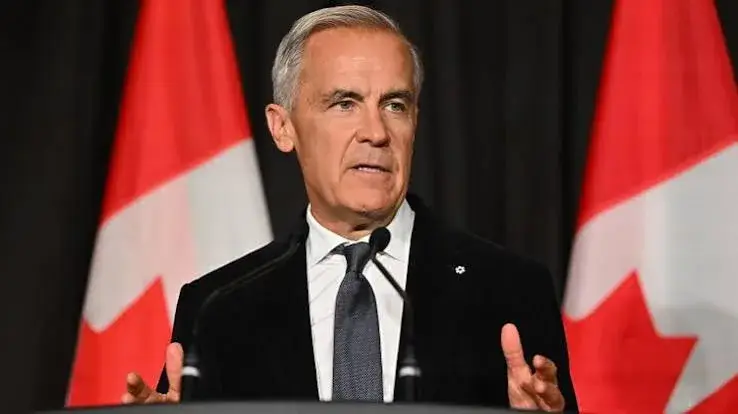
Mark Carney Says Canada Is Pursuing a ‘Unique Alliance’ With the EU Amid US Trade War
15 Sept 2026
Global
Harry and Meghan Move Archie and Lilibet to New School Over Security Fears
15 Sept 2026
Global
Earl Spencer Claims Queen Elizabeth II Offered to Restore Princess Diana’s HRH Title
18 Sept 2026
You may also like

Global
Russian Court Hands Canadian-Russian National Seven Years for High Treason
17 Sept 2026

Global
North Korea Launches Two Ballistic Missiles Days After Condemning US Drills
20 Sept 2026

Global
Ukraine Drone Attack Kills Two in Moscow Region as Russia Says 450 Drones Shot Down
20 Sept 2026

Global
Trump Announces AI Force and White House AI Czar While Rejecting New AI Guardrails
20 Sept 2026

Global
CNN, MS NOW and Politico Reporters Denied White House Access After Trump’s Ban
19 Sept 2026

Global
Trump Says CNN, MS NOW and Politico Are Banned From the White House
19 Sept 2026