World Bank: 67.27 Million Nigerians Covered by Cash Transfer Programme
The World Bank says Nigeria’s social protection programme has reached more than 67 million people, making it one of Africa’s largest cash transfer initiatives.
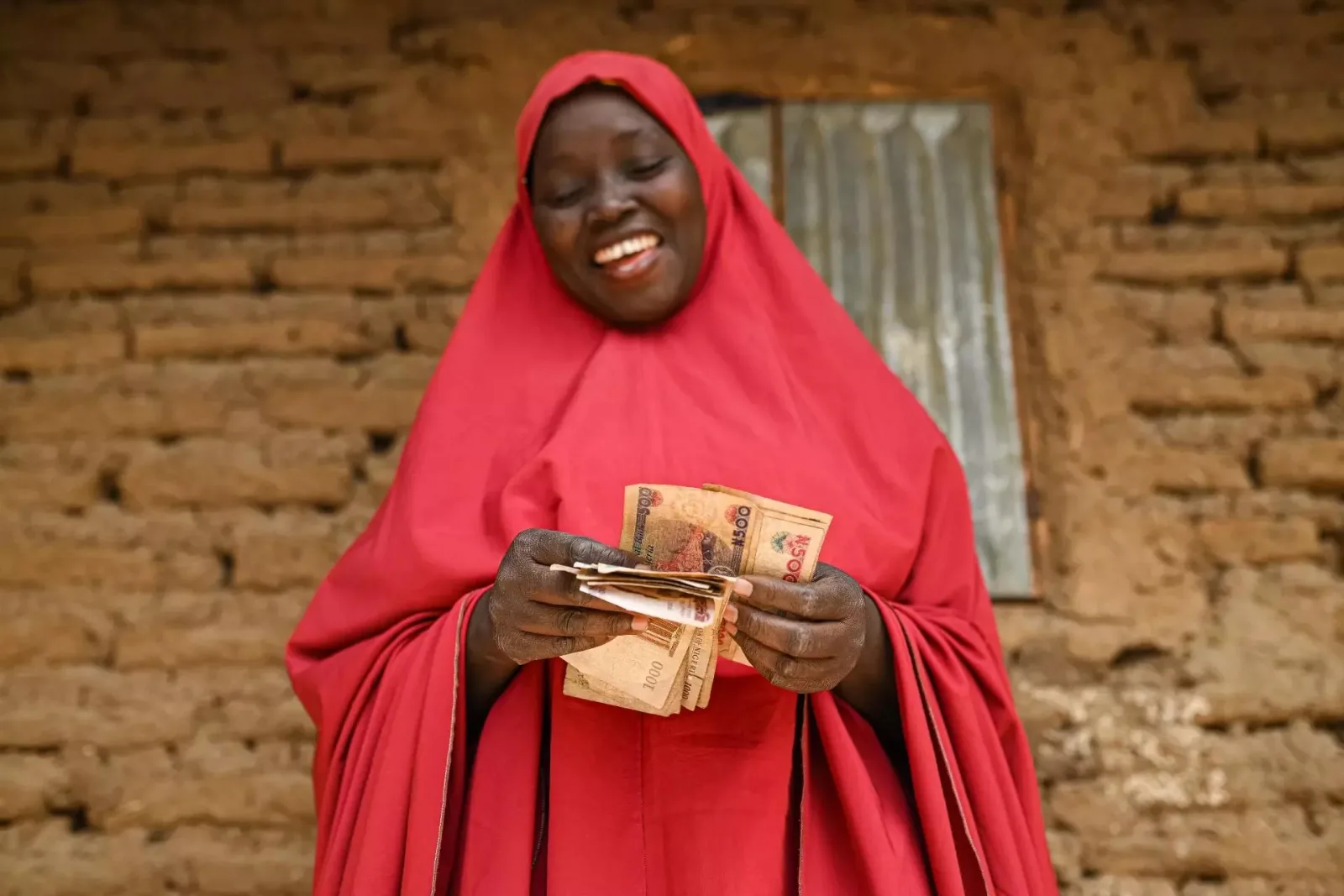
The World Bank says 67.27 million Nigerians are now covered by the country’s national cash transfer programme, highlighting the expanding reach of social protection efforts aimed at supporting vulnerable households amid persistent economic pressures.
In its latest Implementation Status and Results Report on the National Social Safety Net Programme–Scale Up, the World Bank said 10.43 million poor and vulnerable households had received economic shock-responsive cash transfers. The report added that more than 7.1 million households had successfully received all three tranches of the programme after undergoing biometric verification using their National Identification Numbers (NINs) or Bank Verification Numbers (BVNs), strengthening the integrity of beneficiary payments.
The announcement comes as Nigeria continues implementing economic reforms that have increased pressure on household incomes, including higher transportation and living costs. Cash transfer programmes have become a key component of government and development partner efforts to cushion the impact of those reforms on low-income families, particularly in rural and underserved communities.
Rather than covering only individuals who receive payments directly, the programme identifies eligible households through a national social register, with benefits intended to support entire families. The World Bank has consistently backed the expansion of digital payment systems and verified beneficiary databases to improve transparency and reduce leakages in the delivery of social assistance.
Officials say strengthening the social register remains essential to ensuring that assistance reaches those most in need. Development experts have also argued that accurate beneficiary identification, digital payments and regular monitoring are critical to improving the effectiveness of large-scale welfare programmes.
The World Bank has long described targeted cash transfers as one of the most effective tools for reducing extreme poverty when combined with investments in healthcare, education and livelihoods. In Nigeria, where millions of households continue to face inflation and economic uncertainty, social protection is increasingly viewed as both a humanitarian intervention and an economic stabilization measure.
While debates continue over the adequacy and sustainability of cash assistance, the latest coverage figure underscores the scale of Nigeria’s social protection ambition. Reaching more than 67 million people reflects the growing importance of targeted welfare programmes in helping vulnerable families navigate economic hardship while laying the foundation for more inclusive development.
More on Nigeria

Nigeria
Only Lagos and Enugu Can Cover Recurrent Spending With IGR, World Bank Says
10 Oct 2026

Nigeria
Nigeria to Host Global Alliance–World Public Relations Forum 2026 in Historic African First
24 Sept 2026

Nigeria
Nigeria Mourns as NAF Names 25 Killed in Ondo Military Plane Crash
6 Oct 2026
Nigeria
Washington DC Declares October Nigerian American Heritage Month, Marks Nigeria Day
4 Oct 2026
Nigeria
Nigeria Targets 24-Hour Electricity for Major Commercial Corridors
1 Oct 2026
Partner with Follow Global Trends
Display banners, sponsored stories and founder spotlights.
You may also like

Nigeria
Tinubu Ends Four-Week European Working Vacation, Returns to Nigeria
30 Sept 2026
Nigeria
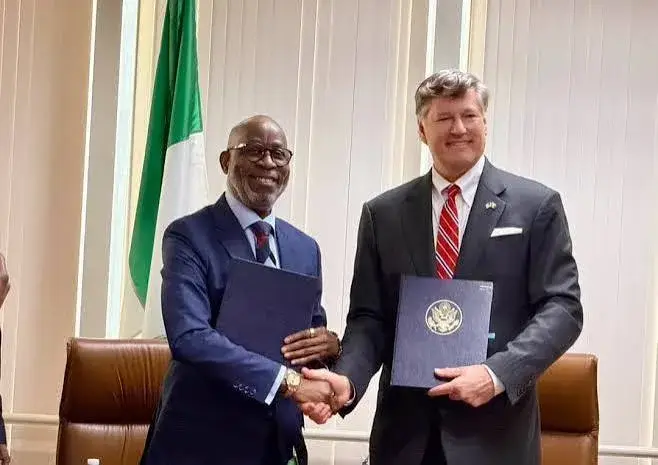
Nigeria, US Sign Deal to Unlock $700bn Mineral Wealth
26 Sept 2026
Nigeria
Nigeria Heads to UNGA 81 With Shettima Leading High-Level Delegation
20 Sept 2026

Nigeria
Nigeria @ 66: Tinubu’s Nationwide Broadcast to Headline Modest Independence Programme
19 Sept 2026

Nigeria
British High Commissioner-designate Pete Vowles Arrives in Nigeria
14 Sept 2026
Nigeria
AI Could Threaten Jobs of Nigerian Graduates as IMF Raises Global Alarm
13 Oct 2026