
West Africa: ECOWAS, AES Seek New Deal on Trade, Security and Movement
ECOWAS and the Alliance of Sahel States have agreed to establish joint working groups to prepare a new cooperation framework, opening a fresh diplomatic channel on trade, security and regional ties following the withdrawal of Mali, Burkina Faso and Niger from the West African bloc.
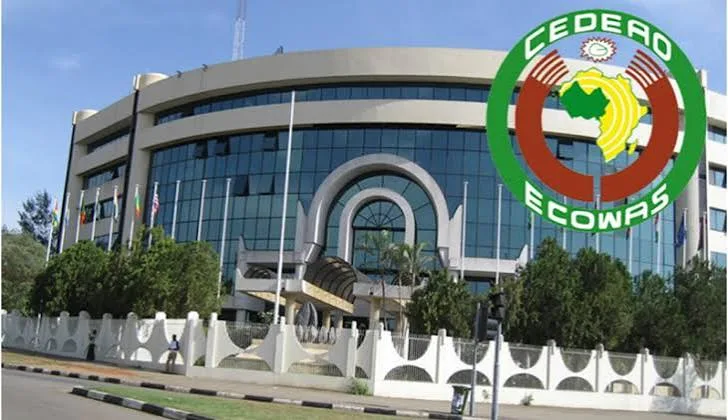
The Economic Community of West African States (ECOWAS) and the Alliance of Sahel States (AES) have taken a step towards rebuilding relations after their political split, agreeing to establish joint working groups to prepare a framework for future cooperation between the two organizations.
The agreement was reached on Saturday, October 17, in Dakar, Senegal, during the first formal ministerial session of their dialogue. The meeting brought together delegations led by Senegalese Foreign Minister Cheikh Niang, representing ECOWAS, and Burkina Faso’s Foreign Minister Karamoko Jean-Marie Traoré, who headed the AES delegation. Both sides said they wanted to maintain dialogue and develop a balanced arrangement that protects the interests of their populations.
Under a joint communiqué, the two organizations agreed to set up thematic working groups to conduct technical discussions and work towards a cooperation framework. The groups will submit their findings to ministers before another session, although the date and venue of that meeting have yet to be determined. The Dakar meeting therefore established a process for negotiations rather than producing a final agreement.
The discussions are expected to address issues on which the two sides remain closely connected despite their institutional separation, including the movement of people and goods, trade, security and cross-border cooperation. Ahead of the formal meeting, ECOWAS Commission President Birame Diop said the bloc had prepared a draft general framework covering 18 priority areas grouped under five broad pillars, intended to guide future relations with the three Sahelian countries.
The negotiations follow the withdrawal of Mali, Burkina Faso and Niger from ECOWAS, which took effect on January 29, 2025. The three military-led governments had announced their decision to leave in January 2024, after years of tensions with the regional bloc over political transitions, sanctions and demands for a return to constitutional rule. They subsequently consolidated their cooperation through the AES confederation.
Despite the split, the countries remain connected to their neighbours through trade routes, migration, family ties and shared security challenges. The Sahel continues to face attacks by jihadist armed groups, while instability and cross-border criminal activity affect countries across the wider region. Maintaining communication between ECOWAS and the AES is therefore relevant not only to diplomatic relations but also to efforts to coordinate security responses and avoid disruptions to regional commerce.
Before the meeting, ECOWAS officials also stressed the need for the bloc to negotiate collectively rather than allow separate bilateral arrangements to weaken its common position. Senegal’s Cheikh Niang urged member states to protect existing regional integration gains, particularly in free movement, economic exchanges and cooperation between communities. The talks thus involve balancing the sovereignty choices of the three AES states with ECOWAS’s interest in preserving a coherent regional framework.
Nigeria has also signalled its support for the process. Its Minister of State for Foreign Affairs, Sola Enikanolaiye, led the Nigerian delegation to the discussions in Dakar. In a statement ahead of the meeting, Nigeria’s government said the talks were intended to align ECOWAS member states’ positions and advance work on a draft general framework agreement ahead of the bloc’s planned summit in Abuja in December 2026.
The joint working groups will now determine whether the diplomatic opening can be translated into practical arrangements for businesses, travellers and security agencies across West Africa. For now, the two sides have agreed on the need for continued engagement and a framework based on good-neighbourly relations, mutual respect and national sovereignty, but the terms of any eventual agreement remain to be negotiated.
More on Global
Global
Trump Announces Immediate Energy Ceasefire Between Russia and Ukraine After Russian Diesel Deal
11 Oct 2026
Global
German Export Recovery Loses Steam as U.S. Trade Falls Sharply
8 Oct 2026
Global
Global Catholic Population Reaches 1.42 Billion as Africa Overtakes Europe
17 Oct 2026
Global
South African Jurist Navi Pillay Wins 2026 Nobel Peace Prize for Human Rights Work
9 Oct 2026
Global
Syria Weighs Military Support for Saudi Arabia as Houthis Escalate
8 Oct 2026
Partner with Follow Global Trends
Display banners, sponsored stories and founder spotlights.
You may also like

Global
Norway Unveils $63.6 Billion Wealth Fund Withdrawal Plan for 2027
7 Oct 2026
Global
U.S. Pulls Bombers From UK Base After Suspected Terror Plot
5 Oct 2026
Global
Dangote Launches $16bn Kenya Refinery Project to Transform East Africa’s Fuel Market
2 Oct 2026

Global
Trump’s Press Secretary Katie Zacharia Ousted After Just Five Days
17 Oct 2026
Global
US Sanctions Cuban State Bank Over Links to Iranian Lender
16 Oct 2026

Global
Trump Ally Kimberly Guilfoyle Quits Greece Ambassador Role After $100,000 Payment Allegation
13 Oct 2026