
US Embassy Ends Routine Visa Processing in Abuja, Designates Lagos as Nigeria’s Visa Hub
The U.S. Embassy in Abuja has officially ended routine visa processing, with all standard visa services now centralized at the U.S. Consulate General in Lagos.
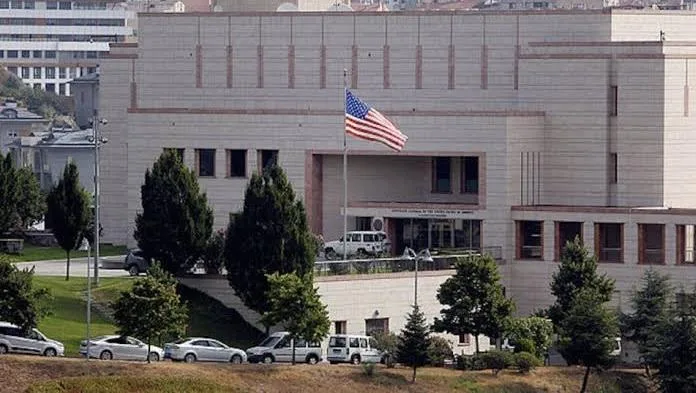
The United States Embassy in Abuja has officially stopped processing routine visa applications, directing Nigerians seeking standard U.S. visas to the U.S. Consulate General in Lagos under a new nationwide visa processing arrangement.
The embassy announced the change in a reminder published on its official X account, confirming that the policy took effect on August 1, 2026. From that date, routine immigrant and non-immigrant visa services are available only in Lagos, while the Abuja embassy no longer handles new routine visa applications.
The U.S. government emphasized that the change does not mean the closure of the U.S. Embassy in Abuja. The embassy will continue carrying out diplomatic, consular and other official functions, but routine visa adjudication has been transferred entirely to Lagos.
Existing appointments will still be honoured
Applicants who already secured appointments in Abuja will not lose their applications. According to the embassy, those appointments will still be accommodated, although some interview dates may have been rescheduled as part of the transition.
Officials have advised affected applicants to regularly check the email address used during their visa registration, where notifications of any revised appointment dates and further instructions will be sent.
The embassy also clarified that applicants holding unused and still-valid Machine-Readable Visa (MRV) fee receipts do not need to pay again. Those receipts remain valid and can be used to book new visa appointments at the U.S. Consulate General in Lagos.
Why the change?
The policy forms part of a broader U.S. Department of State initiative to realign routine visa operations across Africa into designated regional processing hubs. The department says the restructuring is intended to strengthen national security by applying more consistent screening, vetting and adjudication standards, while also improving the efficiency of visa processing across the continent.
Under the new regional model, Lagos has been designated as Nigeria’s visa hub, joining other key processing centres in Accra, Abidjan, Addis Ababa, Dakar, Johannesburg, Nairobi and Yaoundé.
Which visas are affected?
The realignment covers virtually all routine visa categories, including tourist and business visas, student and exchange visas, petition-based non-immigrant visas, family preference immigrant visas and employment-based immigrant visas. Emergency and other specialized consular services continue to operate under existing procedures.
For thousands of Nigerian travellers, the immediate impact will be logistical rather than procedural. Applicants outside Lagos will now need to arrange travel to the commercial capital for routine interviews, while the U.S. Mission insists that existing applications, fee receipts and eligibility remain unaffected by the relocation.
The broader significance of the move extends beyond Nigeria. By consolidating visa operations into regional hubs, the United States is reshaping how consular services are delivered across Africa, balancing tighter security standards with a more centralized processing system that could influence visa access and travel planning for millions of applicants in the years ahead.
More on Nigeria
Nigeria
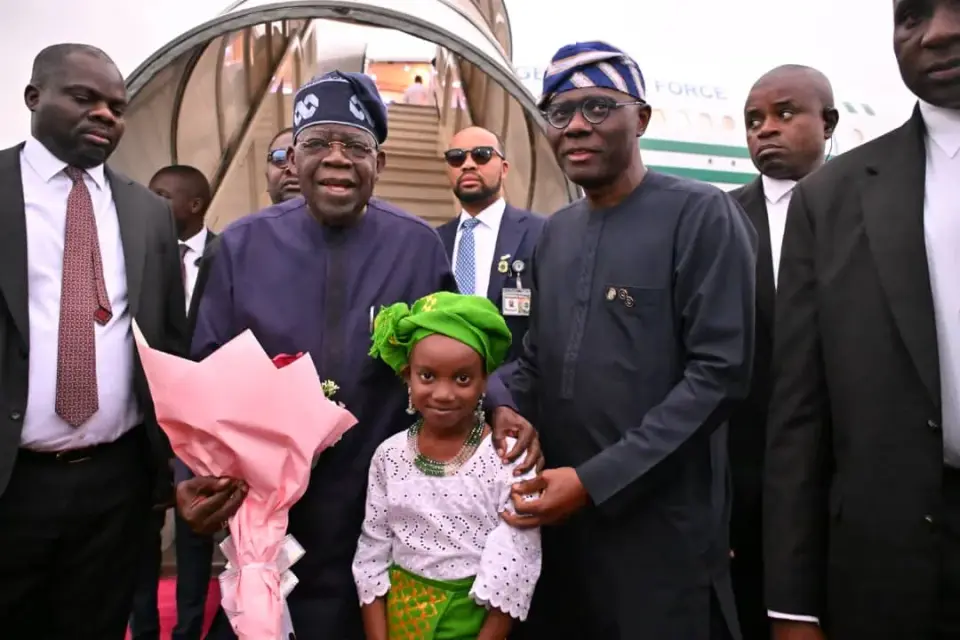
Tinubu Ends Four-Week European Working Vacation, Returns to Nigeria
30 Sept 2026
Nigeria
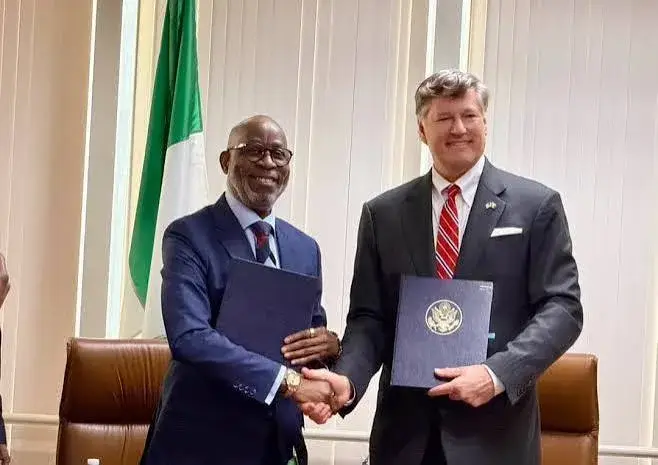
Nigeria, US Sign Deal to Unlock $700bn Mineral Wealth
26 Sept 2026
Nigeria
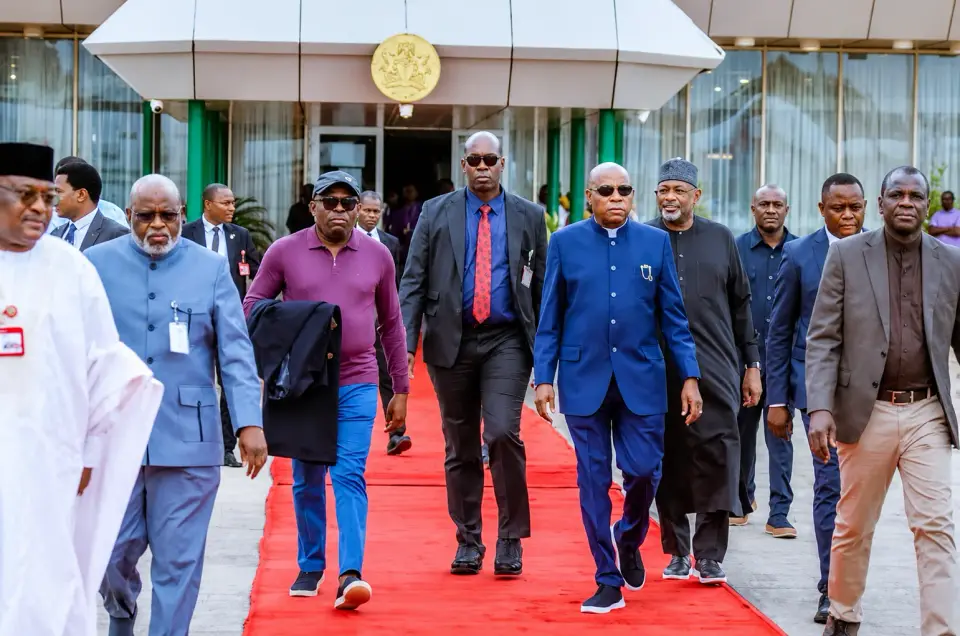
Nigeria Heads to UNGA 81 With Shettima Leading High-Level Delegation
20 Sept 2026

Nigeria
British High Commissioner-designate Pete Vowles Arrives in Nigeria
14 Sept 2026

Nigeria
Washington DC Declares October Nigerian American Heritage Month, Marks Nigeria Day
4 Oct 2026
You may also like
Nigeria
Nigeria Targets 24-Hour Electricity for Major Commercial Corridors
1 Oct 2026
Nigeria
Nigeria Reaffirms Support for WTO, Multilateralism at BRICS Summit
13 Sept 2026
Nigeria
Nigerian Air Force ATR-42 Crashes Near Igbokoda, 32 on Board
5 Oct 2026

Nigeria
Nigeria to Host Global Alliance–World Public Relations Forum 2026 in Historic African First
24 Sept 2026

Nigeria
World Bank: 67.27 Million Nigerians Covered by Cash Transfer Programme
21 Sept 2026

Nigeria
Nigeria @ 66: Tinubu’s Nationwide Broadcast to Headline Modest Independence Programme
19 Sept 2026