
Trump Revives Push to Restrict Birthright Citizenship with New Executive Orders
Trump is renewing efforts to restrict birthright citizenship, using new executive orders to revive one of his most contentious immigration policies.
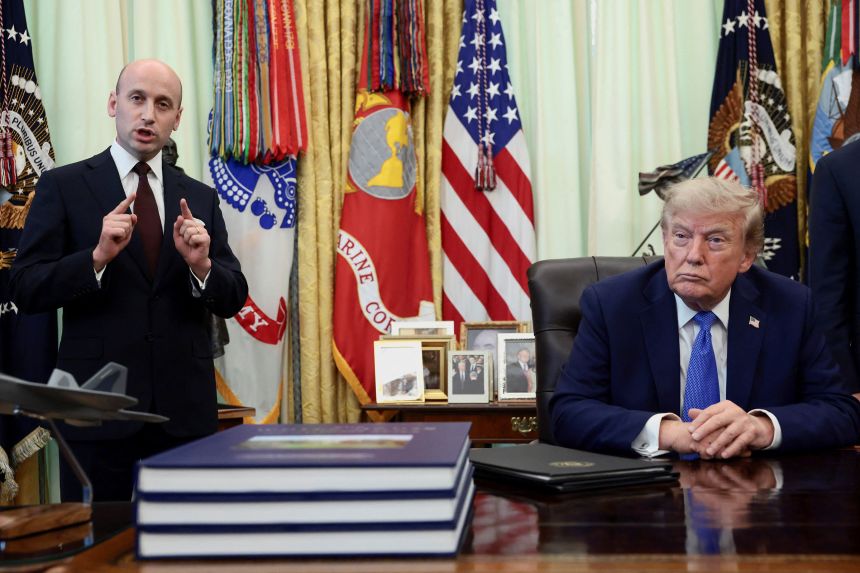
U.S. President Donald Trump has renewed his administration's campaign to narrow birthright citizenship and crack down on so-called "birth tourism," signing two new executive orders that are expected to ignite another major legal and political battle over the interpretation of the 14th Amendment of the U.S. Constitution.
The executive actions come just weeks after the U.S. Supreme Court rejected an earlier attempt by the administration to broadly restrict automatic citizenship for children born on American soil. Rather than abandoning the issue, the White House has introduced a more targeted approach, arguing that existing law allows for limited exceptions to birthright citizenship in specific circumstances.
One of the new executive orders directs federal agencies to deny automatic recognition of U.S. citizenship for children born under categories the administration argues fall outside the constitutional guarantee. According to the White House, these include children born to foreign government officials, individuals classified as enemy agents under U.S. law, and people who enter the United States primarily for commercial birth tourism arrangements. A second order instructs the Departments of Homeland Security and State to intensify efforts to identify and prevent "birth tourism" by increasing visa scrutiny and strengthening enforcement against those found to have travelled to the United States solely to give birth.
The Trump administration argues that the measures are designed to protect the value of American citizenship and prevent what it describes as exploitation of U.S. immigration laws. White House officials maintain that the orders target narrow exceptions rather than attempting to abolish birthright citizenship altogether. They also contend that the Supreme Court's recent ruling left room for executive action in carefully defined circumstances.
Civil rights organisations, immigration advocates and constitutional scholars have strongly criticised the new directives, arguing that they conflict with more than a century of constitutional interpretation. They point to the Citizenship Clause of the 14th Amendment, which states that all persons born in the United States and subject to its jurisdiction are citizens, as well as the landmark United States v. Wong Kim Ark decision of 1898, which has long been regarded as the foundation of birthright citizenship in the United States. Legal experts expect the latest executive orders to face immediate court challenges.
The renewed effort also places immigration back at the centre of Trump's domestic agenda. Since returning to office, the administration has pursued a series of measures aimed at tightening border security, reducing illegal immigration and restricting pathways to citizenship. Birthright citizenship has remained one of the administration's most contentious policy priorities, drawing both strong support from immigration hawks and fierce opposition from legal scholars and immigrant advocacy groups.
Beyond the legal debate, the issue has international implications. The administration's crackdown on birth tourism could affect travellers from countries where obtaining U.S. citizenship for children has been viewed as a pathway to expanded educational, economic or residency opportunities. Immigration lawyers say heightened scrutiny of visa applications may lead to stricter questioning of pregnant travellers and greater enforcement at U.S. ports of entry.
For readers of FollowGlobalTrends.com, the latest executive orders underscore how immigration remains one of the defining issues in American politics. While the administration argues it is safeguarding the integrity of U.S. citizenship, opponents insist the measures challenge constitutional protections that have stood for generations. With legal challenges almost certain, the ultimate fate of the new orders is likely to be decided not only in the political arena but also in the courts, ensuring that the debate over birthright citizenship remains a central issue in the United States and beyond.
More on Travel & Tourism
Travel & Tourism
Over 3 Million Foreigners Leave US Under Trump’s Immigration Crackdown
13 Aug 2026
Travel & Tourism
Want British Citizenship? 10 Routes That Could Make You Eligible.
20 Aug 2026
Travel & Tourism
US Cancels 175,000+ Visas in Sweeping Trump-Era Immigration Crackdown
10 Aug 2026
Travel & Tourism
Trump Moves to Revoke Up to 200,000 Visas Held by Asylum Seekers
26 Aug 2026
Travel & Tourism
US Judge Strikes Down Trump Visa Freeze Affecting Nigeria, 74 Other Countries
23 Aug 2026
You may also like
Travel & Tourism
Trump Targets Birth Tourism: US Tightens Rules for Pregnant Travellers
8 Aug 2026

Travel & Tourism
UK Immigration: Far-Right Protesters Block Asylum Seekers in Southern England
7 Sept 2026
Travel & Tourism
UK Passport Fee Backlash Forces Nigeria High Commission to Refund £50
13 Sept 2026

Travel & Tourism
Canada Expands Study Access for Temporary Foreign Workers
11 Sept 2026
Travel & Tourism
One Visa, Six Countries: GCC Grand Tourist Visa Set to Launch Soon
8 Sept 2026

Travel & Tourism
Mount Anak Krakatau: What to Know About the Volcano Disrupting Indonesia Flights
8 Sept 2026