
Want British Citizenship? 10 Routes That Could Make You Eligible.
The UK has outlined 10 pathways through which eligible applicants can qualify for British citizenship, covering different residency, family and immigration circumstances.
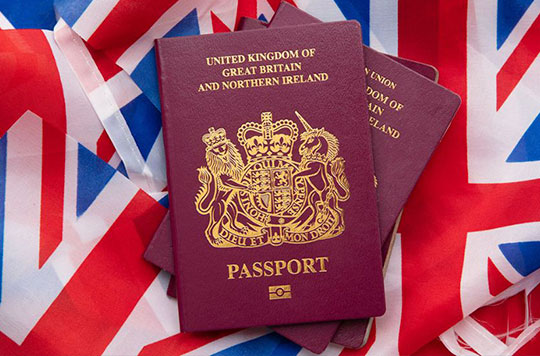
For many migrants, gaining British citizenship is the final step in a long journey through the UK immigration system. But British nationality law does not offer just one route. Depending on a person’s birthplace, family background, immigration history and relationship with the UK, there are several different ways they may qualify.
Current UK government guidance makes clear that British citizenship can arise automatically in some circumstances, while in others a person must apply for registration or naturalization. The rules are particularly important for people who were born in the UK, have British parents, hold another form of British nationality or have lived in the country long enough to meet the requirements for naturalization.
Here are 10 of the main routes and circumstances that can potentially lead to British citizenship.
1. Being born in the UK
Being born on British soil does not automatically make everyone a British citizen. Eligibility depends heavily on when the person was born and the immigration or nationality status of their parents at the time. Someone born in the UK who did not automatically acquire citizenship may nevertheless qualify to register later, depending on their circumstances.
2. Having a British parent
People born outside the UK may acquire British citizenship through a British mother or father, although the rules depend on the parent's citizenship status, the date and place of birth and, in some cases, whether the British parent was able to pass citizenship by descent. The government advises people with a British parent to check their individual circumstances rather than assume they automatically qualify.
3. Naturalization after living in the UK
For many adults who were born outside Britain and do not have a British parent, naturalization is the standard route. Under current rules, an applicant will normally need to have lived lawfully in the UK for five years and have been free from immigration restrictions for at least 12 months before applying. Other requirements include passing the Life in the UK test, meeting the language requirement and satisfying the good-character requirement.
4. Marriage or civil partnership with a British citizen
A spouse or civil partner of a British citizen can generally apply after three years of UK residence, provided the other requirements are met. Unlike the standard five-year naturalization route, the spouse or civil-partner route does not normally require the applicant to wait 12 months after obtaining indefinite leave to remain or settled status.
5. Settled status under the EU Settlement Scheme
Some EU, European Economic Area and Swiss nationals, as well as eligible family members, may qualify for British citizenship after obtaining settled status. In the usual case, the applicant must have held settled status for 12 months before applying, although the waiting period can be different where the applicant is married to or in a civil partnership with a British citizen.
6. Certain people with pre-settled status
Pre-settled status does not by itself equal British citizenship, but some people with that status may eventually qualify. The government says eligible EU, Norwegian, Icelandic and Liechtenstein nationals and certain family members who began living in the UK by December 31, 2020 can qualify if they meet the relevant five-year residence conditions and subsequently satisfy the requirements for citizenship.
7. Irish citizenship and residence in the UK
Irish citizens have a particular position under British nationality rules. A person who is an Irish citizen and has lived in the UK for five years may be able to apply for British citizenship, subject to the relevant conditions. The route reflects the longstanding special relationship between Britain and Ireland.
8. Registration for children and certain adults with British connections
Registration is different from naturalization and covers a range of circumstances, particularly children. It can also apply to certain adults who have historic or legal connections to Britain. Current Home Office guidance lists several registration routes, including applications involving children under 18 and people connected to different categories of British nationality.
9. Special nationality circumstances
British nationality law contains a number of less common routes for people with particular circumstances. These include some people who hold another form of British nationality, people with British Overseas Territories connections, certain stateless people and individuals who previously renounced British citizenship and may be eligible to resume it. Chagossian descendants also have a specific registration route.
10. The Windrush Scheme and other historic connections
Some Commonwealth citizens connected to the Windrush generation may qualify for British citizenship or other immigration rights under special arrangements. The government says the Windrush Scheme can apply where a person, or in certain circumstances their parent, arrived in the UK before 1973 and the relevant residence conditions are met. The scheme is particularly important because it addresses the historic immigration position of people who had established lives in Britain but lacked documentation confirming their status.
The important point is that these routes are not interchangeable, and qualifying under one does not necessarily mean an application will be approved. Naturalization, for example, requires applicants to meet detailed residence, immigration, language, Life in the UK and good-character conditions. The Home Office also says that applicants must retain valid permission to stay in Britain while their citizenship application is being processed and until they attend their citizenship ceremony.
There is also a wider policy debate around the future of settlement and citizenship rules. The current framework remains in force, but proposed changes to immigration policy have raised questions about whether some migrants may eventually face longer routes to settlement and, consequently, citizenship. The House of Commons Library has noted that citizenship generally follows either naturalization or registration for people who do not already acquire it through birth or other nationality provisions.
For migrants and families planning a future in Britain, the distinction matters. British citizenship is more than a passport application: it represents the end point of different legal pathways shaped by residence, family ties, nationality and personal history. Understanding which route applies, and checking the current rules before applying, can make the difference between a straightforward application and a costly mistake. With UK nationality policy continuing to evolve, citizenship remains one of the clearest examples of how immigration status, family history and long-term residence intersect in modern Britain.
More on Travel & Tourism

Travel & Tourism
UAE Confirms Age Rules for Foreign Residents Sponsoring Children
24 Aug 2026

Travel & Tourism
Trump Revives Push to Restrict Birthright Citizenship with New Executive Orders
7 Aug 2026

Travel & Tourism
Over 3 Million Foreigners Leave US Under Trump’s Immigration Crackdown
13 Aug 2026

Travel & Tourism
UAE Flights Stay Stable, but Kuwait Routes Remain Caught in Gulf Tensions
8 Aug 2026
Travel & Tourism
UK Passport Fee Backlash Forces Nigeria High Commission to Refund £50
13 Sept 2026
You may also like

Travel & Tourism
Canada Expands Study Access for Temporary Foreign Workers
11 Sept 2026

Travel & Tourism
One Visa, Six Countries: GCC Grand Tourist Visa Set to Launch Soon
8 Sept 2026

Travel & Tourism
UK Immigration: Far-Right Protesters Block Asylum Seekers in Southern England
7 Sept 2026

Travel & Tourism
Qatar Airways, Uber Join Forces to Make Global Business Travel More Seamless
27 Aug 2026

Travel & Tourism
Trump Moves to Revoke Up to 200,000 Visas Held by Asylum Seekers
26 Aug 2026
Travel & Tourism
US Cancels 175,000+ Visas in Sweeping Trump-Era Immigration Crackdown
10 Aug 2026