
Over 3 Million Foreigners Leave US Under Trump’s Immigration Crackdown
More than three million foreign nationals have been deported from the US under the Trump administration, highlighting the scale of its immigration crackdown.
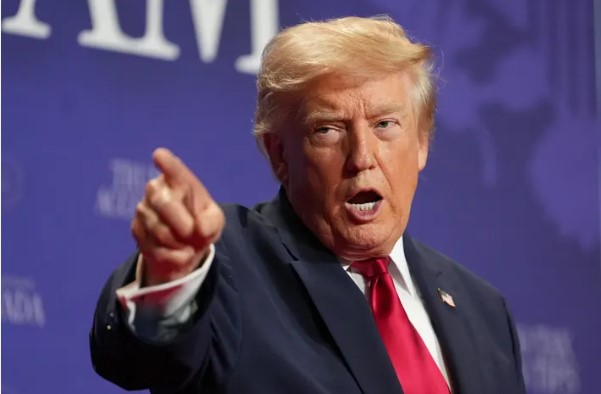
The Trump administration is claiming a dramatic milestone in its immigration crackdown, saying more than three million undocumented immigrants have left the United States since Donald Trump returned to the White House.
But behind the headline figure is an important distinction: the administration is not saying it physically deported all three million people.
According to figures published by the White House, more than 605,000 undocumented migrants have been formally deported, while an additional 1.9 million people are estimated to have left the country voluntarily under the administration's intensified enforcement and self-deportation campaign.
The distinction matters because the Trump administration has increasingly made self-deportation a central part of its immigration strategy.
The Department of Homeland Security has promoted voluntary departure through measures including the CBP Home app, which allows migrants to notify authorities of their intention to leave and, in some cases, receive assistance with travel. DHS has argued that encouraging migrants to leave voluntarily is significantly cheaper than detaining and formally removing them.
The administration nevertheless describes the combined figure as evidence that Trump's immigration programme is producing the largest reduction in the undocumented population in modern US history.
DHS said in January that more than 3 million undocumented people were already out of the country, combining formal removals with estimated voluntary departures.
The figures come as the White House continues to portray immigration enforcement as one of the defining achievements of Trump's second presidency.
The administration says it has also sharply reduced the number of migrants released into the United States after crossing the southern border, while expanding detention and removal operations. The White House says the crackdown has also contributed to a dramatic reduction in illegal border crossings.
For migrants still in the country without legal status, however, the environment has become considerably more uncertain.
Immigration enforcement has expanded beyond the traditional focus on people recently crossing the US-Mexico border. Immigration and Customs Enforcement has increased arrests inside American communities, while the administration has pursued broader measures affecting people with existing immigration protections.
The State Department has separately announced that it has revoked more than 175,000 visas since Trump returned to office. The cancellations have involved alleged criminal conduct, immigration violations, national-security concerns and other grounds, with the administration also expanding scrutiny of visa applicants' backgrounds and social-media activity.
That means the administration's immigration campaign is operating on several fronts simultaneously: border enforcement, deportations, detention, visa cancellations and voluntary departures.
Yet the size of the deportation programme remains a subject of debate because officially comparable data have not always been consistently available.
The Migration Policy Institute, for example, estimated that ICE carried out about 396,000 deportations during Trump's first year back in office, while noting that the figure did not include removals conducted by Customs and Border Protection. The organisation has also cautioned that the overall number of deportations since Trump's return cannot be independently established with precision because of gaps in publicly available DHS data.
That data problem is important when interpreting the administration's “three million” figure.
It would be misleading to describe the entire three million as people who were forcibly deported. A substantial portion of the total consists of people whom the administration says left voluntarily or were encouraged to leave, rather than people physically removed under a deportation order.
The difference also highlights how dramatically the Trump administration has changed the language surrounding immigration enforcement.
Under the new strategy, the government is not relying solely on agents finding, arresting, detaining and deporting migrants. It is attempting to create conditions in which undocumented migrants decide that remaining in the United States is no longer viable.
That approach has drawn strong criticism from immigration advocates.
Critics argue that aggressive enforcement, detention and the threat of removal can pressure people to leave even when they have longstanding ties to the United States, including jobs, homes and family members. Supporters of the policy, meanwhile, argue that people who are unlawfully present should expect enforcement and that voluntary departure reduces both the financial and humanitarian costs associated with detention and forced removal.
The economic consequences are becoming part of the debate as well.
The Economic Policy Institute has estimated that Trump's second-term mass-deportation programme could ultimately require about $268.9 billion in public spending. Supporters of self-deportation counter that voluntary departures can significantly reduce the cost of removing each person compared with traditional enforcement.
The scale of the operation also raises questions about America's labour market.
Immigrants play a major role in sectors ranging from agriculture and construction to hospitality, healthcare and technology. Researchers have warned that a rapid reduction in the immigrant workforce could create labour shortages and affect economic growth, while the administration argues that reducing unlawful immigration will protect American workers and wages.
For the millions of families affected, however, the debate is much more immediate.
A person who has spent years building a life in America can now face the possibility of detention, deportation or pressure to leave voluntarily. The administration's intensified enforcement has therefore transformed immigration status from a long-term legal issue into an increasingly urgent personal calculation.
The Trump administration is presenting the numbers as proof that its promise of mass immigration enforcement is being fulfilled.
But the numbers tell a more complicated story.
More than three million undocumented people may have left the United States since Trump returned to office, according to administration figures, but only a fraction of that total represents formal deportations.
That distinction is likely to remain at the centre of America's immigration debate as Trump's second term continues.
For FollowGlobalTrends, the bigger story is not simply how many people have been deported.
It is how the United States is attempting to make millions of undocumented migrants leave, either through formal removal or by making voluntary departure the more attractive option.
And that may prove to be the most consequential part of Trump's immigration strategy.
More on Travel & Tourism
Travel & Tourism
US Cancels 175,000+ Visas in Sweeping Trump-Era Immigration Crackdown
10 Aug 2026
Travel & Tourism
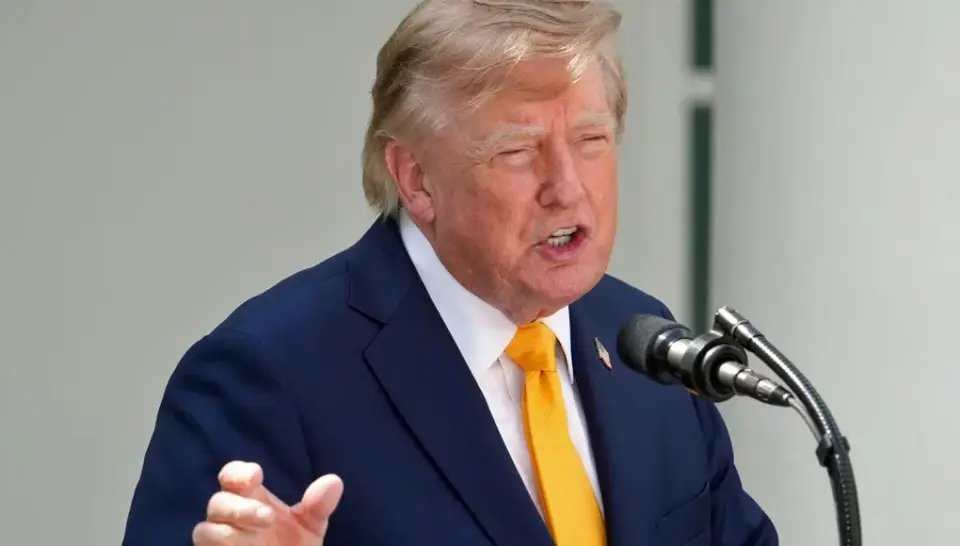
Trump Moves to Revoke Up to 200,000 Visas Held by Asylum Seekers
26 Aug 2026
Travel & Tourism
US Judge Strikes Down Trump Visa Freeze Affecting Nigeria, 74 Other Countries
23 Aug 2026
Travel & Tourism
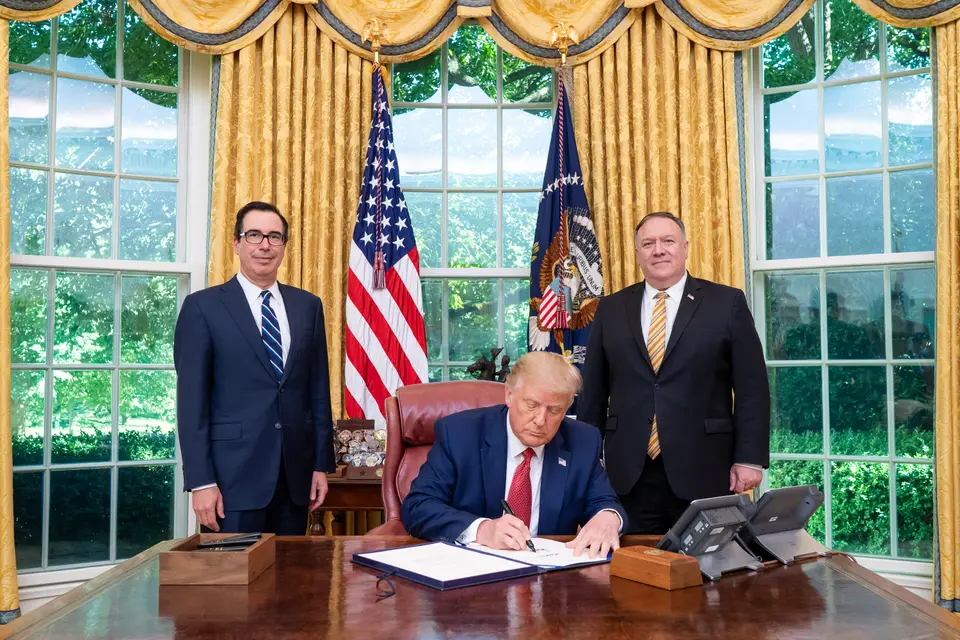
Trump Targets Birth Tourism: US Tightens Rules for Pregnant Travellers
8 Aug 2026
Travel & Tourism
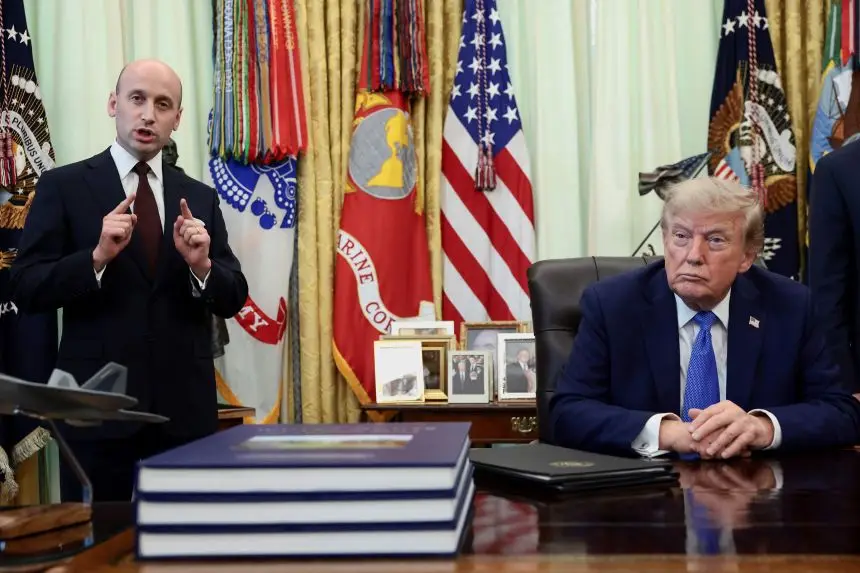
Trump Revives Push to Restrict Birthright Citizenship with New Executive Orders
7 Aug 2026
You may also like

Travel & Tourism
Canada Expands Study Access for Temporary Foreign Workers
11 Sept 2026

Travel & Tourism
Tunisia Welcomes 5.8 Million Tourists by July as 2026 Travel Boom Accelerates
25 Aug 2026

Travel & Tourism
UAE Confirms Age Rules for Foreign Residents Sponsoring Children
24 Aug 2026

Travel & Tourism
UK Immigration: Far-Right Protesters Block Asylum Seekers in Southern England
7 Sept 2026
Travel & Tourism
Want British Citizenship? 10 Routes That Could Make You Eligible.
20 Aug 2026

Travel & Tourism
Namibia Ends Visa-Free Entry for US, UK, Canada and Others Under New Reciprocity Policy
7 Aug 2026