
Trump Moves to Revoke Up to 200,000 Visas Held by Asylum Seekers
The Trump administration is preparing what could become the largest single mass visa revocation in US history, targeting up to 200,000 foreigners who sought asylum after entering on visitor visas.
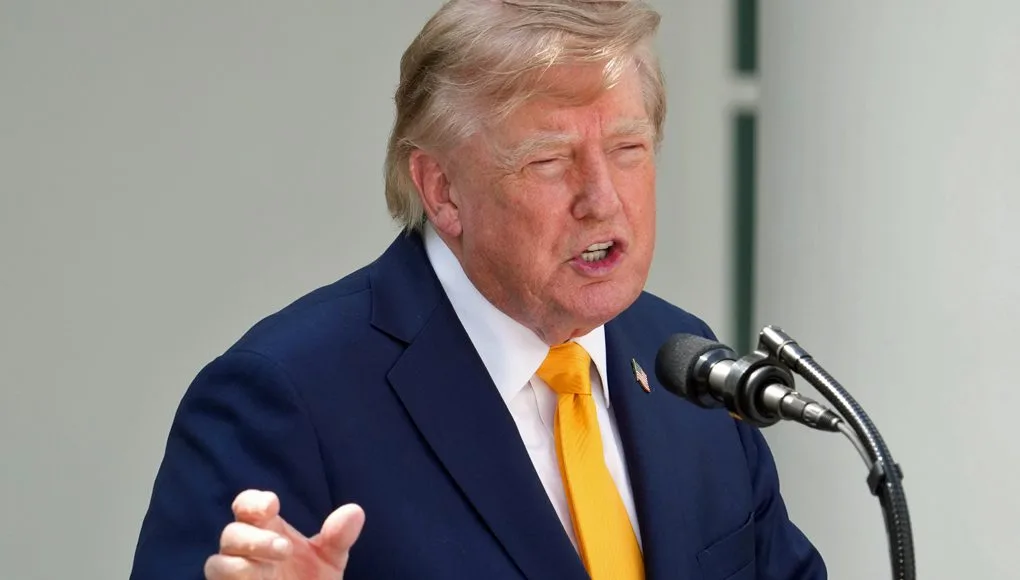
The Trump administration is preparing to revoke the business and tourist visas of as many as 200,000 foreign nationals who entered the United States on temporary visas before applying for asylum, in the latest escalation of the president's sweeping immigration crackdown.
The planned action targets holders of B-1 business and B-2 tourist visas issued between 2016 and 2026 who subsequently filed asylum applications or are currently seeking asylum in the United States. The State Department and Department of Homeland Security are working together on the review, according to US officials cited by The Associated Press and Reuters.
The government has not publicly confirmed that exactly 200,000 visas will be cancelled. The figure comes from AP reporting, which described the potential scope as up to 200,000. If implemented at that scale, the move would represent the largest single mass revocation of US visas in the country's history.
Deputy Secretary of State Christopher Landau has defended the administration's approach, arguing that temporary visitor visas are intended for people visiting the United States rather than using them as a route to permanent residence. State Department officials have portrayed some asylum applications made after entry on visitor visas as an abuse of the immigration system.
The administration's position, however, faces an important legal distinction. Applying for asylum from inside the United States is not, by itself, unlawful. US immigration law allows eligible people who are physically present in the country to seek asylum regardless of how they entered, although asylum applicants must still satisfy the legal requirements for protection. The planned visa revocations therefore do not amount to a finding that every person affected has committed immigration fraud.
The immediate consequence of a visa revocation is also not necessarily deportation. According to AP, people whose B-1 or B-2 visas are cancelled would lose their temporary visitor status, but the revocation itself would not automatically mean they are removed from the United States. Their immigration cases could then proceed under separate legal processes.
The administration is presenting the move as part of a broader effort to close what it considers loopholes in the US immigration system. Since returning to office, Trump has pushed tougher screening of visa applicants, greater scrutiny of immigration records and expanded efforts to remove people who the administration considers ineligible to remain in the country.
The scale of the proposed action is nevertheless striking. The State Department has already revoked roughly 175,000 visas over the past 18 months, according to AP reporting, in cases involving issues including criminal records and other grounds. The latest initiative would extend that aggressive approach to a much larger group whose defining characteristic is their subsequent pursuit of asylum.
The policy comes as the administration simultaneously tightens other parts of the legal immigration system. On Wednesday, the State Department temporarily paused visa appointments worldwide, citing a training programme for consular officers focused on applying new screening requirements. The pause adds to growing uncertainty for people trying to enter the United States legally.
Legal challenges are likely if the mass revocations proceed. AP reported that immigration lawyers and advocacy groups expect the policy to face court scrutiny, particularly over whether the government can use visa revocation in this manner against people who are legally entitled to seek asylum after entering the country.
For people affected, the consequences could extend far beyond losing the ability to travel in and out of America. Some may already have families, jobs, homes or pending immigration cases in the United States, meaning a change in their legal status could create uncertainty while their asylum claims are still being considered.
The proposed revocations therefore mark another significant shift in America's approach to migration: the administration is no longer concentrating only on people who cross the border illegally, but increasingly scrutinising those who entered legally and later sought protection. If the full programme goes ahead, its significance will extend well beyond the 200,000 visas potentially at stake. It could redefine how the United States treats people who arrive through ordinary legal channels but later ask the country to protect them, and set up another major legal battle over the limits of presidential power in immigration enforcement.
More on Travel & Tourism
Travel & Tourism
Canada Extends Study Permit and Visitor Visa Processing Times for Nigerians
18 Sept 2026

Travel & Tourism
One Visa, Six Countries: GCC Grand Tourist Visa Set to Launch Soon
8 Sept 2026
Travel & Tourism
US Judge Strikes Down Trump Visa Freeze Affecting Nigeria, 74 Other Countries
23 Aug 2026

Travel & Tourism
UK Immigration: Far-Right Protesters Block Asylum Seekers in Southern England
7 Sept 2026

Travel & Tourism
Tanzania Removes Nigerians From Referred Visa Category, Easing Travel Process
30 Sept 2026
You may also like

Travel & Tourism
Sheikh Mohammed Highlights Dubai Tourism Growth at Arabian Travel Market 2026
14 Sept 2026

Travel & Tourism
Netherlands Records 1,917 Nigerian Asylum Applications in Two Years
23 Aug 2026
Travel & Tourism
Istanbul Airport Overtakes Heathrow as World’s Most Connected Airport
7 Oct 2026
Travel & Tourism
Sardinia: Inside Italy’s Blue Zone Where Exceptional Longevity Has Made the Island a Global Travel Curiosity
3 Oct 2026

Travel & Tourism
Dubai, Abu Dhabi, Marriott Among Winners at ATM 2026 Best Stand Awards
17 Sept 2026

Travel & Tourism
Technology, Talent and Customer Focus Will Define Travel's Future, Leaders Say at ATM 2026
15 Sept 2026