
US Judge Strikes Down Trump Visa Freeze Affecting Nigeria, 74 Other Countries
A US federal judge has ordered the Trump administration to resume immigrant visa processing for nationals of 75 countries, including Nigeria.
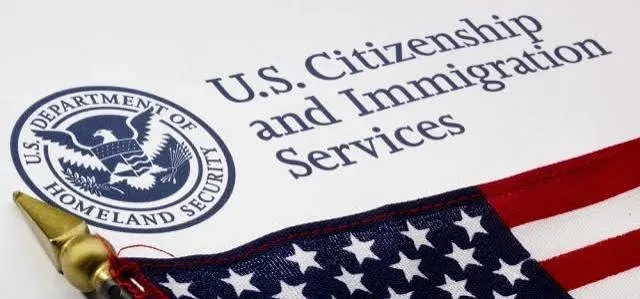
A US federal judge has struck down the Trump administration’s suspension of immigrant visa processing for citizens of 75 countries, including Nigeria, delivering a major legal setback to Washington’s latest effort to restrict legal immigration.
Judge Jeannette Vargas of the US District Court for the Southern District of New York ruled on Friday that the policy exceeded the statutory authority of Secretary of State Marco Rubio and was inconsistent with federal immigration law. The decision requires the administration to resume processing visas covered by the January suspension.
The policy had taken effect on January 21, 2026, when the State Department paused immigrant visa issuance to nationals of the affected countries. Nigeria was among the countries listed, alongside nations including Ghana, Senegal, Pakistan, Bangladesh, Brazil, Colombia, Egypt, Iran, Iraq, Kenya's regional neighbours and several Caribbean and European states.
Washington had presented the measure as a financial and immigration-control policy. The State Department said the affected nationalities were considered at high risk of relying on US public benefits and potentially becoming a “public charge”. The administration has maintained that immigrants should be financially self-sufficient and not impose an undue burden on American taxpayers.
Judge Vargas rejected the legal basis for applying such a blanket restriction by nationality. In her ruling, she found that the policy effectively prevented consular officers from carrying out the individual assessments required under US immigration law, instead making nationality itself the decisive factor in whether immigrant visas could be issued.
The case was brought by immigrant-rights organizations, including the Catholic Legal Immigration Network and African Communities Together, along with affected visa applicants and US citizens sponsoring relatives. The plaintiffs challenged the suspension on the grounds that it unlawfully disrupted established immigration procedures and separated families seeking to reunite in the United States.
For Nigerian applicants, the ruling could be particularly significant for people pursuing family-based immigration and other immigrant visa categories that had been caught by the suspension. It does not, however, mean that Nigerians can automatically obtain US visas. Applicants must still meet the relevant eligibility, security, medical and documentation requirements, and other US visa restrictions remain in effect.
That distinction is important because the court ruling concerns the 75-country immigrant visa freeze, not every visa restriction imposed by the Trump administration. The US State Department continues to maintain separate visa suspensions and restrictions under Presidential Proclamation 10998, including measures affecting Nigeria and other countries.
Nigeria, for example, remains subject to a separate US policy that partially suspended issuance of B-1/B-2 visitor visas and F, M and J student and exchange visas, as well as immigrant visas, with specified exceptions. That means the latest ruling should not be interpreted as a complete lifting of all US visa restrictions affecting Nigerians.
The administration now faces the possibility of further litigation as it decides whether to appeal Vargas's decision. The ruling is another example of the courts becoming an important battleground over President Donald Trump's immigration agenda, with judges scrutinizing whether executive actions comply with powers granted by Congress.
For Nigerian families and other applicants who had been caught in the freeze, the decision nevertheless offers a significant opening. Those whose immigration plans were stalled by the January policy may now have a pathway for their cases to resume, although the practical timing will depend on how quickly the State Department implements the ruling and whether the administration seeks further legal relief.
The broader significance is that the ruling draws a line between immigration policy and executive power. The Trump administration can impose tougher screening and pursue stricter immigration controls, but the court has made clear that such measures must still operate within the framework established by US law. For Nigerians and thousands of other applicants, that could mean the reopening of a legal immigration route that had been abruptly closed, even as other US visa restrictions remain firmly in place.
More on Travel & Tourism

Travel & Tourism
One Visa, Six Countries: GCC Grand Tourist Visa Set to Launch Soon
8 Sept 2026
Travel & Tourism
Tanzania Removes Nigerians From Referred Visa Category, Easing Travel Process
30 Sept 2026
Travel & Tourism
Trump Moves to Revoke Up to 200,000 Visas Held by Asylum Seekers
26 Aug 2026
Travel & Tourism
Canada Extends Study Permit and Visitor Visa Processing Times for Nigerians
18 Sept 2026
Travel & Tourism
UK Passport Fee Backlash Forces Nigeria High Commission to Refund £50
13 Sept 2026
You may also like

Travel & Tourism
ATM 2026 Closes in Dubai with Tourism Leaders from 115+ Countries and Major Travel Deals
18 Sept 2026

Travel & Tourism
Technology, Talent and Customer Focus Will Define Travel's Future, Leaders Say at ATM 2026
15 Sept 2026
Travel & Tourism
Istanbul Airport Overtakes Heathrow as World’s Most Connected Airport
7 Oct 2026
Travel & Tourism
Sardinia: Inside Italy’s Blue Zone Where Exceptional Longevity Has Made the Island a Global Travel Curiosity
3 Oct 2026

Travel & Tourism
Dubai, Abu Dhabi, Marriott Among Winners at ATM 2026 Best Stand Awards
17 Sept 2026

Travel & Tourism
UAE Online Travel Bookings to Exceed 50% by 2030, ATM Research Finds
17 Sept 2026