
Namibia Ends Visa-Free Entry for US, UK, Canada and Others Under New Reciprocity Policy
Namibia has ended visa-free entry for citizens of the US, UK, Canada and other countries, introducing a new reciprocity-based visa policy.
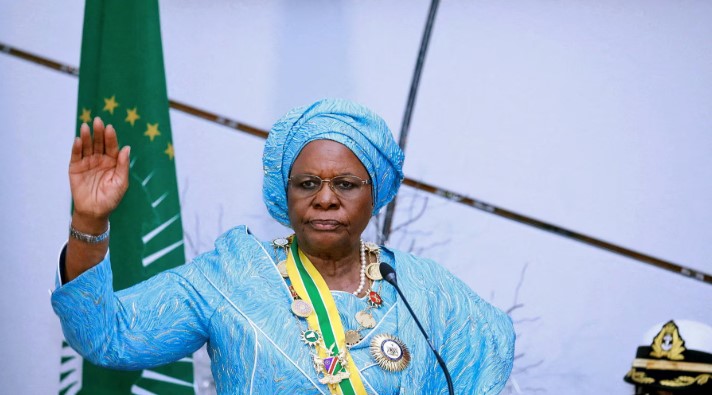
Namibia has formally implemented a new reciprocal visa policy requiring citizens of more than 30 countries, including the United States, the United Kingdom, Canada, France, Germany, Australia, Japan, and several other European and Western nations, to obtain visas before entering the southern African nation, marking a significant shift in its immigration policy and reinforcing the principle of diplomatic reciprocity.
The policy, signed into law by President Netumbo Nandi-Ndaitwah, is rooted in what the Namibian government describes as the "Doctrine of Reciprocity". Under the new framework, countries that require visas from Namibian passport holders will no longer enjoy visa-free access to Namibia. Government officials say the objective is simple: if Namibians need visas to visit another country, visitors from that country should be subject to similar entry requirements when travelling to Namibia.
The decision affects travellers from a wide range of nations that previously enjoyed visa-free entry. In addition to the US, UK, Canada, France and Germany, the policy also applies to countries such as Italy, Spain, the Netherlands, Belgium, Switzerland, Ireland, Austria, Sweden, Norway, Denmark, Finland, South Korea, and New Zealand, among others. While visitors can still travel to Namibia by applying for an electronic visa or obtaining a visa on arrival where eligible, the era of unrestricted access for these countries has come to an end. Authorities have also warned that travellers who arrive without the required documentation or overstay their authorised period risk fines, detention or other immigration penalties.
Namibia's leadership argues that the move is not intended to discourage tourism or international business but to establish fairness in diplomatic relations. Officials maintain that many of the countries affected have long imposed visa requirements on Namibian citizens, making the previous arrangement one-sided. By introducing reciprocal measures, the government says it is asserting equal treatment for its citizens in international travel.
The policy places Namibia among a growing number of African countries reassessing their visa regimes. While some nations, including Kenya, have recently expanded visa-free access to attract tourism and investment, others have adopted reciprocity-based systems that align entry requirements with how their own citizens are treated abroad. Analysts say these differing approaches reflect broader debates about balancing tourism competitiveness, national sovereignty and diplomatic equity.
Tourism experts note that the impact on visitor numbers remains uncertain. Namibia is internationally recognised for attractions such as the Namib Desert, Etosha National Park and its thriving wildlife tourism sector, which draws thousands of visitors annually from Europe and North America. Some industry observers believe the introduction of electronic visas and streamlined application procedures could reduce the practical impact of the new rules, while others warn that additional travel requirements may influence destination choices for some international tourists.
Beyond tourism, the decision has wider diplomatic implications. The reciprocal visa policy reflects a growing confidence among African governments in reshaping their immigration and foreign policy frameworks based on mutual treatment rather than historical conventions. It also sends a broader message that international mobility should operate on the basis of equality between nations, regardless of economic size or geopolitical influence.
For readers of FollowGlobalTrends.com, Namibia's new visa policy represents more than an immigration reform. It highlights an evolving conversation across Africa about sovereignty, fairness and international engagement. As countries continue to review their visa policies in pursuit of economic growth and diplomatic balance, Namibia's embrace of reciprocity may influence how other nations approach cross-border travel and bilateral relations in the years ahead.
More on Travel & Tourism

Travel & Tourism
One Visa, Six Countries: GCC Grand Tourist Visa Set to Launch Soon
8 Sept 2026
Travel & Tourism
US Judge Strikes Down Trump Visa Freeze Affecting Nigeria, 74 Other Countries
23 Aug 2026
Travel & Tourism
Air Canada to Launch Direct Lagos Flights in 2027 After Landmark Nigeria–Canada Aviation Deal
7 Aug 2026

Travel & Tourism
Canada Expands Study Access for Temporary Foreign Workers
11 Sept 2026

Travel & Tourism
Canada Targets Global Healthcare Workers as It Moves to Fill Labour Shortages
24 Aug 2026
You may also like

Travel & Tourism
Over 3 Million Foreigners Leave US Under Trump’s Immigration Crackdown
13 Aug 2026
Travel & Tourism
US Cancels 175,000+ Visas in Sweeping Trump-Era Immigration Crackdown
10 Aug 2026

Travel & Tourism
Trump Moves to Revoke Up to 200,000 Visas Held by Asylum Seekers
26 Aug 2026
Travel & Tourism
UK Passport Fee Backlash Forces Nigeria High Commission to Refund £50
13 Sept 2026

Travel & Tourism
Mount Anak Krakatau: What to Know About the Volcano Disrupting Indonesia Flights
8 Sept 2026

Travel & Tourism
UK Immigration: Far-Right Protesters Block Asylum Seekers in Southern England
7 Sept 2026