
Mount Anak Krakatau: What to Know About the Volcano Disrupting Indonesia Flights
Repeated eruptions from Mount Anak Krakatau are disrupting flights across Indonesia, sending ash high into the sky and prompting aviation warnings for airlines and travellers.
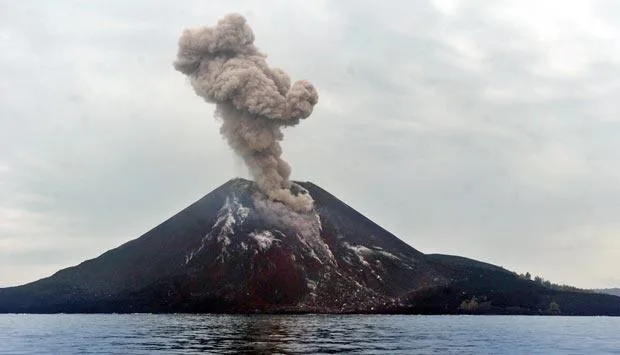
Indonesia’s Mount Anak Krakatau has erupted repeatedly in recent days, forcing flight cancellations and delays as volcanic ash drifted into busy air routes serving western Indonesia. Aviation authorities have issued safety alerts, while airlines continue adjusting schedules to protect passengers from the hazardous ash cloud.
The latest eruptions sent ash several kilometres above the volcano, prompting Indonesia’s volcanology agency to maintain heightened monitoring of the area. Although the volcano sits in the Sunda Strait between the islands of Java and Sumatra, its ash plume can affect aircraft operating far beyond the immediate eruption zone, depending on wind conditions.
Why is the volcano causing flight disruption?
The biggest danger is not lava, it is volcanic ash. Fine ash particles can severely damage aircraft engines, reduce cockpit visibility and contaminate critical systems, which is why aviation authorities treat even distant ash clouds as a serious operational risk.
Several domestic and international flights have been delayed, diverted or cancelled as airlines respond to advisories from Indonesia’s aviation and disaster agencies. Officials say schedules will continue to depend on real-time monitoring of ash movement rather than the eruption alone.
What is Mount Anak Krakatau?
Anak Krakatau, meaning “Child of Krakatau,” is one of the world’s youngest and most closely watched volcanoes. It emerged from the sea following the catastrophic 1883 eruption of Krakatoa, one of history’s most powerful volcanic disasters, which generated devastating tsunamis and altered global weather patterns.
The present-day volcanic island has grown steadily through decades of eruptions and remains highly active as part of Indonesia’s Pacific Ring of Fire, a region where tectonic plates frequently produce earthquakes and volcanic activity.
Is it dangerous for travellers?
For most visitors, the primary concern is air travel, not direct exposure to the volcano. Authorities have restricted access around the crater, and tourists are advised to stay outside the official exclusion zone.
If you are travelling through Indonesia:
Check your airline’s status before leaving for the airport.
Expect possible delays or rerouting if ash conditions change.
Monitor official airport and airline updates rather than weather forecasts alone, as volcanic ash advisories are issued separately.
Why this eruption matters
Indonesia is home to more active volcanoes than any other country, and Anak Krakatau’s latest activity is a reminder of how natural hazards can quickly ripple through global transport networks. While eruptions are a familiar part of life in the archipelago, their impact extends beyond local communities—affecting tourism, international aviation and regional connectivity across Southeast Asia.
More on Travel & Tourism
Travel & Tourism
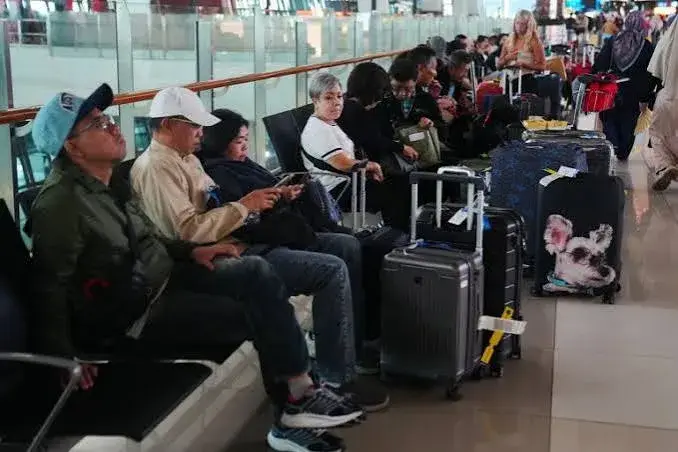
Indonesia Grounds Flights as Anak Krakatau Ash Shuts Jakarta’s Main Airport
6 Sept 2026

Travel & Tourism
SriLankan Airlines Restores Full Middle East Network With Kuwait Service Resumption
29 Aug 2026
Travel & Tourism
UK Passport Fee Backlash Forces Nigeria High Commission to Refund £50
13 Sept 2026
Travel & Tourism
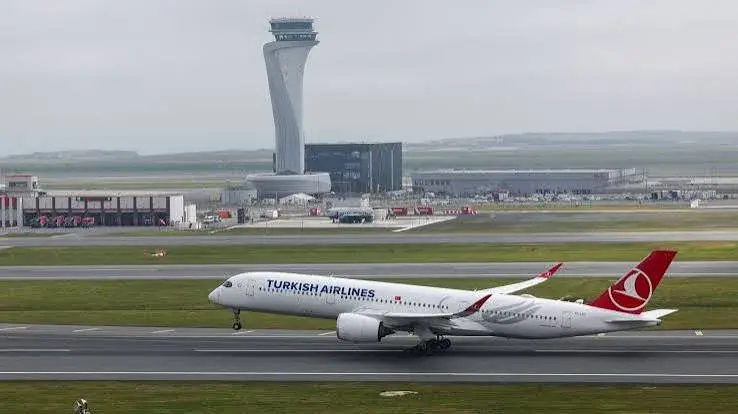
Istanbul Airport Overtakes Heathrow as World’s Most Connected Airport
7 Oct 2026

Travel & Tourism
UAE Online Travel Bookings to Exceed 50% by 2030, ATM Research Finds
17 Sept 2026
Partner with Follow Global Trends
Display banners, sponsored stories and founder spotlights.
You may also like

Travel & Tourism
Emirates Introduces Jaywan Card Payments with Flight Discounts from September 16
15 Sept 2026

Travel & Tourism
One Visa, Six Countries: GCC Grand Tourist Visa Set to Launch Soon
8 Sept 2026

Travel & Tourism
Low-Flying Airlink Jets Ignite Global Debate Over Rugby Stadium Spectacle
1 Sept 2026

Travel & Tourism
Qatar Airways, Uber Join Forces to Make Global Business Travel More Seamless
27 Aug 2026

Travel & Tourism
Saudi Arabia’s Jeddah Tower Surpasses New York Skyscraper in Height
24 Oct 2026

Travel & Tourism
Arabian Travel Market 2027 Unveils Theme as Demand for Travel Experiences Grows
22 Oct 2026