Trump Targets Birth Tourism: US Tightens Rules for Pregnant Travellers
The US is moving to crack down on birth tourism, with the Trump administration ordering tougher measures to bar and deport foreigners who travel to the country to give birth.
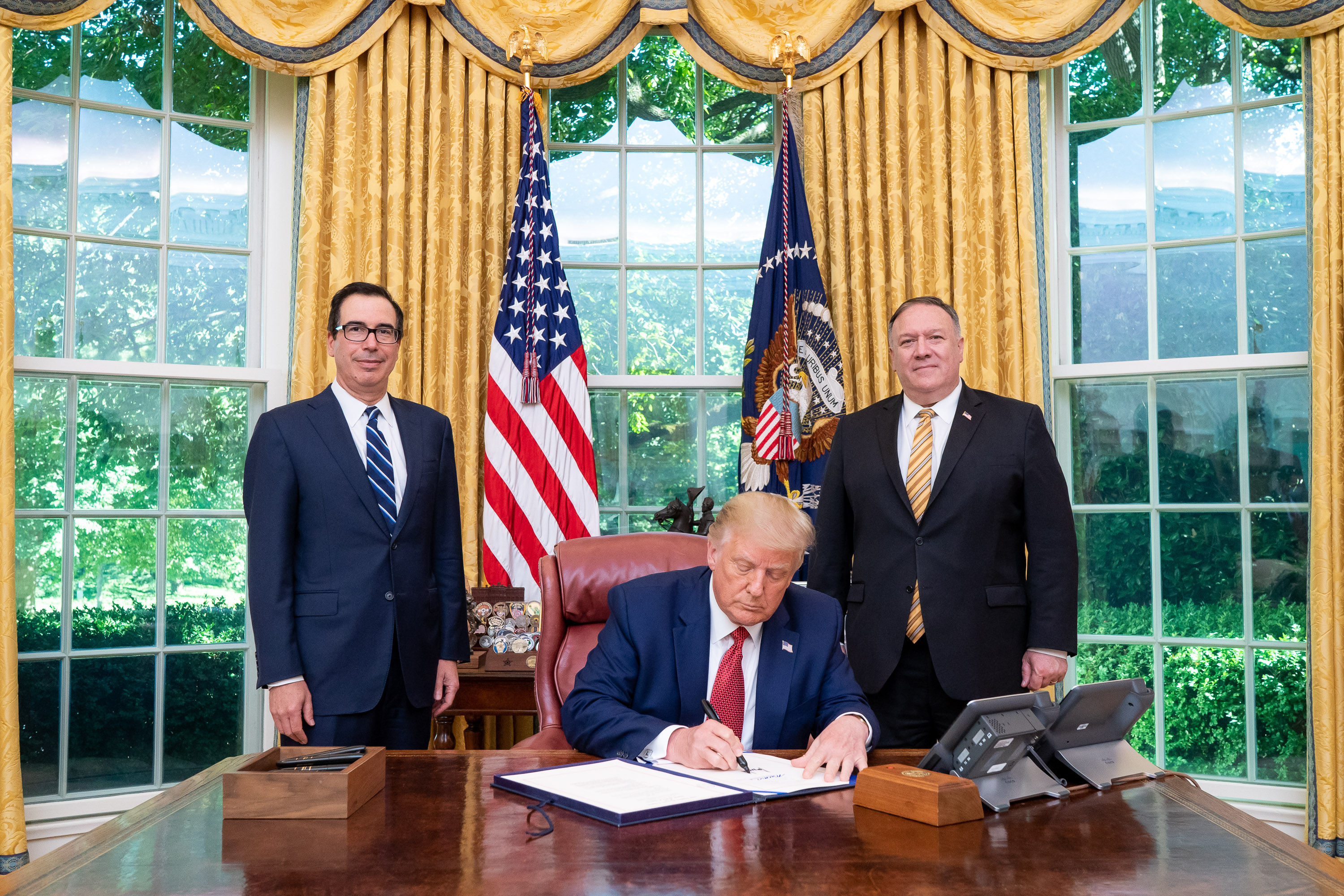
The United States has intensified its campaign against so-called “birth tourism,” with President Donald Trump signing new executive orders aimed at preventing foreign nationals from travelling to the country primarily to give birth and obtain US citizenship for their children.
The latest measures, signed on August 6, 2026, represent a renewed attempt by the Trump administration to restrict birthright citizenship while directing federal agencies to take tougher action against the commercial networks that facilitate birth tourism. The move comes only weeks after the administration suffered a setback at the Supreme Court over its broader attempt to restrict birthright citizenship.
Under the new orders, the administration is seeking to make it harder for people who deliberately travel to the United States for the primary purpose of giving birth to enter the country. The measures direct the Departments of State and Homeland Security to develop policies aimed at identifying and preventing birth-tourism arrangements, including through tighter visa screening and enforcement.
The policy is not an entirely new US immigration position. The State Department already states that birth tourism is not a permissible purpose for a visitor visa when the primary reason for travelling is to give birth in the United States so that the child can obtain US citizenship.
What has changed is the administration's determination to pursue a broader crackdown and to combine visa enforcement with its renewed effort to narrow the circumstances in which children born in the United States automatically receive citizenship.
The administration's latest citizenship order identifies several categories in which it argues that US-born children should not automatically receive citizenship documentation. These include certain children of foreign government personnel, people classified as alien enemies and children connected to commercial birth-tourism arrangements. The White House argues that these categories fall within historical exceptions to the Citizenship Clause of the 14th Amendment.
The announcement is particularly significant for international travellers because the consequences may extend beyond simply having a visa application rejected. The administration has indicated that foreign nationals who deliberately travel to the US for birth-tourism purposes could face immigration consequences, including removal from the country, depending on their circumstances and applicable immigration law.
For prospective travellers, however, the distinction between legitimate pregnancy-related travel and prohibited birth tourism remains important. Travelling to the United States while pregnant is not automatically prohibited. The central issue under existing visa rules is whether giving birth to obtain US citizenship is the primary purpose of the trip.
The new policy also arrives amid a much wider tightening of US visa controls. Washington has expanded screening and vetting requirements for several visa categories and has introduced significant entry and visa restrictions affecting nationals of a number of countries. Nigeria is among the countries affected by some of the broader 2026 US visa restrictions, including partial restrictions on certain B-1/B-2 visitor visas.
That wider environment could make the latest birth-tourism crackdown particularly relevant to travellers from Africa and other regions where obtaining US visas can already involve extensive documentation and scrutiny. The US State Department has repeatedly stressed that applicants must demonstrate that their intended activities are consistent with the visa category for which they are applying.
The measures are almost certain to face further legal challenges. Trump's first attempt to restrict birthright citizenship was blocked in federal court, and the administration's broader approach has already produced a major constitutional dispute over the meaning and reach of the 14th Amendment. Legal experts expect the latest orders to be tested in court as the administration attempts to distinguish its new approach from the broader policy previously challenged.
For the travel industry, the implications could be significant. Immigration lawyers, airlines, travel agencies and medical providers may all face increased scrutiny around travellers whose plans involve pregnancy and delivery in the United States. The policy could also affect a niche international healthcare and maternity-services market that has developed around foreign nationals seeking medical care in American hospitals.
For readers of FollowGlobalTrends.com, the latest move signals that travelling to the United States is becoming increasingly dependent not only on having the correct visa, but also on clearly demonstrating the purpose of the journey. Trump's renewed assault on birth tourism is therefore more than an immigration story, it is a development that could reshape how pregnant travellers, travel advisers and immigration professionals approach US travel in the months ahead.
More on Travel & Tourism
Travel & Tourism
Riyadh Set to Host New Global Travel Summit as Tourism Ministry Joins WTM
2 Sept 2026

Travel & Tourism
Arabian Travel Market 2026 to Spotlight Dubai’s Resilience and Future of Global Tourism
28 Aug 2026
Travel & Tourism
Trump Moves to Revoke Up to 200,000 Visas Held by Asylum Seekers
26 Aug 2026
Travel & Tourism
Over 3 Million Foreigners Leave US Under Trump’s Immigration Crackdown
13 Aug 2026

Travel & Tourism
Qatar Airways, Uber Join Forces to Make Global Business Travel More Seamless
27 Aug 2026
You may also like
Travel & Tourism
US Judge Strikes Down Trump Visa Freeze Affecting Nigeria, 74 Other Countries
23 Aug 2026
Travel & Tourism
US Cancels 175,000+ Visas in Sweeping Trump-Era Immigration Crackdown
10 Aug 2026

Travel & Tourism
Tunisia Welcomes 5.8 Million Tourists by July as 2026 Travel Boom Accelerates
25 Aug 2026

Travel & Tourism
UAE Confirms Age Rules for Foreign Residents Sponsoring Children
24 Aug 2026
Travel & Tourism
Trump Revives Push to Restrict Birthright Citizenship with New Executive Orders
7 Aug 2026
Travel & Tourism
One Visa, Six Countries: GCC Grand Tourist Visa Set to Launch Soon
8 Sept 2026