
Nigerian NHS Worker Faces Driving Ban After Wrong-Way M61 Incident
A Manchester-based Nigerian NHS worker could lose his driving licence after using the wrong side of an M61 slip road to escape a traffic jam.
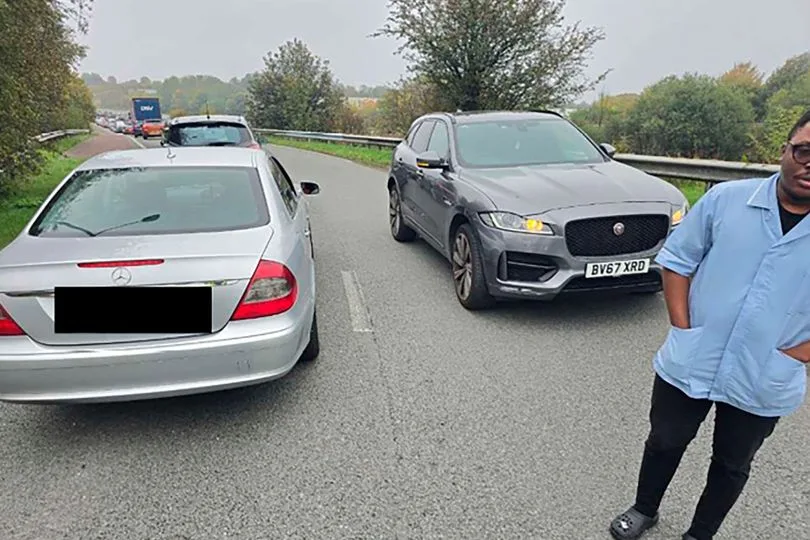
A Nigerian NHS worker in Manchester could be banned from driving after he was caught travelling against the flow of traffic on a motorway slip road in an attempt to get home after work.
Innocent Ayodele, 32, appeared before Preston Magistrates’ Court after driving the wrong way along an entry slip road to the M61. According to evidence presented to the court, Ayodele was trying to get around congestion and told police he was eager to get home to his pregnant wife.
The manoeuvre, however, placed him in the path of vehicles using the road in the opposite direction. Greater Manchester Police officer Peter Weatherstone said he confronted Ayodele after seeing him travelling the wrong way and warned that another motorist could have been struck.
Ayodele apologized when the case came before the magistrates in May. His explanation about wanting to get home does not remove the seriousness of the incident, particularly because he already had nine penalty points on his driving license. He now faces the possibility of disqualification when he returns to court for sentencing.
The case is part of a wider concern about motorists making dangerous maneuvers on Britain's motorways. Research by the Press Association found that 31 drivers were charged in England and Wales during a 30-week period with offences involving driving in the wrong direction on motorways. Some of the cases involved motorists reversing along slip roads or attempting to turn around after missing an exit.
National Highways has also recorded a much larger number of reports involving vehicles travelling towards oncoming traffic. Its data showed 947 reports involving “oncoming vehicles” on England's motorways in the 12 months to May 11. The agency cautioned that the figure could include reports that were not subsequently confirmed as genuine wrong-way incidents and stressed that confirmed cases remain rare.
The danger is straightforward: motorway traffic can be travelling at high speed, leaving little time for drivers to react when a vehicle suddenly appears from the wrong direction. The RAC Foundation's director of motoring research, Steve Gooding, described the prospect of someone entering a motorway against the flow of traffic as an extremely serious safety risk.
Ayodele's existing penalty points could become particularly significant at sentencing. Under Britain's penalty-point system, reaching 12 or more points within the relevant period can result in a driving disqualification, although the precise outcome depends on the offence, the driver's record and the circumstances considered by the court.
His case also illustrates the distinction between an explanation and a legal justification. Wanting to get home quickly to a pregnant spouse may explain why Ayodele made the decision, but it does not make travelling against motorway traffic safe or lawful.
The case comes as the UK continues to depend heavily on international workers in the NHS, including thousands of healthcare professionals who have moved to Britain from countries such as Nigeria. But Ayodele's employment in the health service is not at issue in the driving case; the proceedings concern his conduct behind the wheel and whether it warrants a further driving penalty.
For Nigerian professionals living in Britain, the incident is another reminder that everyday conduct outside the workplace can carry serious consequences under UK law. For road-safety authorities, meanwhile, it highlights the continuing danger posed by motorists who choose to improvise on high-speed roads rather than follow the normal route. The eventual court decision will determine Ayodele's punishment, but the wider lesson is already clear: on a motorway, avoiding a delay can never justify creating a potentially fatal risk for other road users.
More on Nigeria

Nigeria
Mystery Deepens Over Nigerian Woman Who Vanished After Landing in Qatar
6 Sept 2026

Nigeria
Nigerian Governors Spend ₦512bn on Offices and Travel in Six Months
26 Aug 2026
Nigeria
Nigerian UN Envoy Rejects Claims of US Restrictions on Tinubu’s UNGA Trip
7 Sept 2026
Nigeria
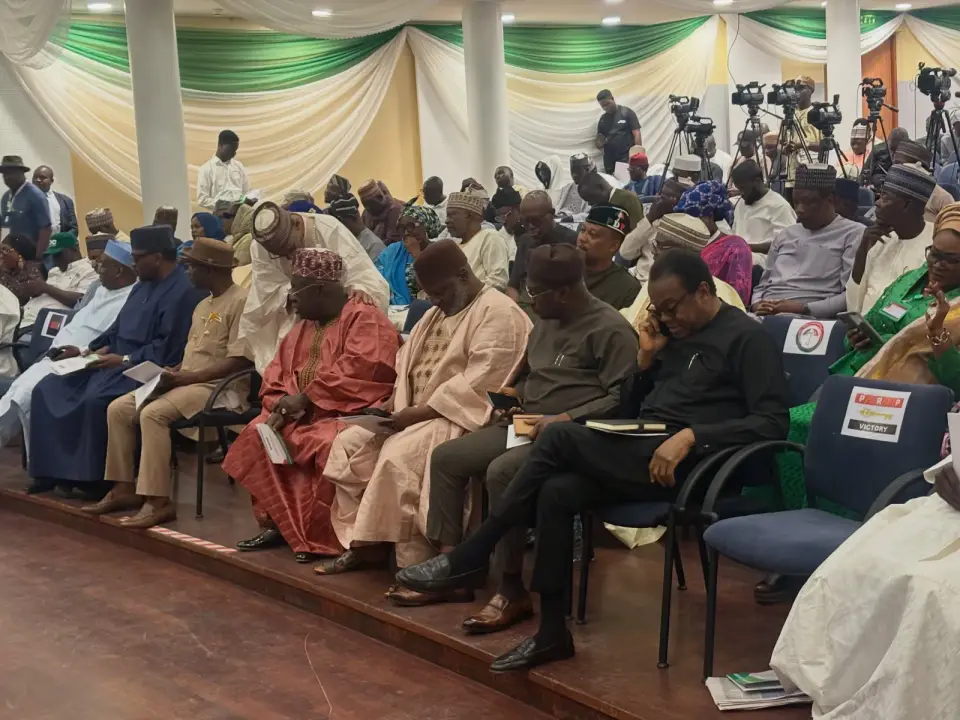
G100 Summit: ADC, PDP and NDC Back Single-Term National Unity Administration
31 Aug 2026
Nigeria
FG Endorses Bonny Island as Nigeria’s Next Major Tourism Destination.
20 Aug 2026
You may also like

Nigeria
Yola Hosts Thousands as Elder Statesman Bamanga Tukur Is Buried
13 Sept 2026
Nigeria
Four Rescued, One Feared Dead as Uncompleted Building Collapses in Enugu
13 Sept 2026
Nigeria
Nigeria Reaffirms Support for WTO, Multilateralism at BRICS Summit
13 Sept 2026

Nigeria
Soludo Endorses Tinubu for 2027 During First Lady’s Awka Reception
12 Sept 2026

Nigeria
Peter Mbah Unveils 10,000+ Milestones Compendium as Enugu Transformation Accelerates
10 Sept 2026
Nigeria
Oluremi Tinubu Honoured in Imo as Oso Di Eme I During Official Visit
10 Sept 2026