Nigerian UN Envoy Rejects Claims of US Restrictions on Tinubu’s UNGA Trip
Nigeria’s Permanent Representative to the United Nations, Ambassador Jimoh Ibrahim, says President Bola Tinubu and his family enjoy full diplomatic transit protections in the United States and cannot be arrested while attending the UN General Assembly.
Nigeria’s Permanent Representative to the United Nations, Ambassador Jimoh Ibrahim, has dismissed claims that President Bola Tinubu faces the risk of arrest or travel restrictions in the United States during the 80th United Nations General Assembly (UNGA), insisting that both the president and members of his family are protected under international law.
In a statement issued by the Office of Nigeria’s Permanent Mission to the United Nations in New York, Ibrahim said the mission had received no notification from the U.S. government indicating any restriction on Tinubu’s movement while attending the annual global summit. He described reports suggesting otherwise as legally baseless and politically misleading.
The envoy based his position on Section 11 of the 1947 United Nations–United States Headquarters Agreement, which guarantees representatives of UN member states and their families unimpeded transit to and from the UN headquarters district. According to Ibrahim, the provision obliges U.S. federal, state and local authorities not to interfere with the movement of accredited delegates, UN officials, specialised agency representatives and invited participants conducting official business at the United Nations.
Ibrahim, who also serves as Chairman of the United Nations Committee on Budget and Administration, said attendance at the General Assembly is ultimately determined by each member state’s national priorities. He noted that more than 60 per cent of countries on the current speakers’ list are represented by vice presidents or foreign ministers, emphasizing that heads of state may delegate participation when necessary.
Addressing renewed public debate over Tinubu’s past, the ambassador drew a distinction between allegations and criminal liability. He recalled that a former Nigerian president, not Tinubu, was once subjected to a 10-kilometre movement restriction around the UN headquarters in connection with an unproven drug-related allegation, arguing that the historical incident has no bearing on the current president’s legal status.
He stressed that criminal accusations must be established through due process and proven beyond reasonable doubt before any conviction can arise, insisting that attempts on social media to criminalize or secure Tinubu’s arrest during UNGA would ultimately prove futile.
The envoy also explained that U.S. law enforcement agencies may, in the course of investigations, invite individuals to provide statements or identifying information such as fingerprints, educational records and personal history. However, he said such investigative procedures should not be confused with criminal prosecution or interpreted as evidence of guilt.
Tinubu is expected to participate in high-level meetings and bilateral engagements during the General Assembly, where world leaders will deliberate on global security, climate action, sustainable development and international economic cooperation. Nigeria is also expected to use the summit to strengthen diplomatic partnerships and promote its economic reform agenda.
Ibrahim urged Nigerians to uphold the country’s image abroad and support what he described as the ongoing economic transformation under the Tinubu administration. His remarks underscore the growing intersection of domestic political debate and international diplomacy, as legal narratives surrounding the president continue to surface ahead of one of the world’s most important diplomatic gatherings.
More on Nigeria
Nigeria
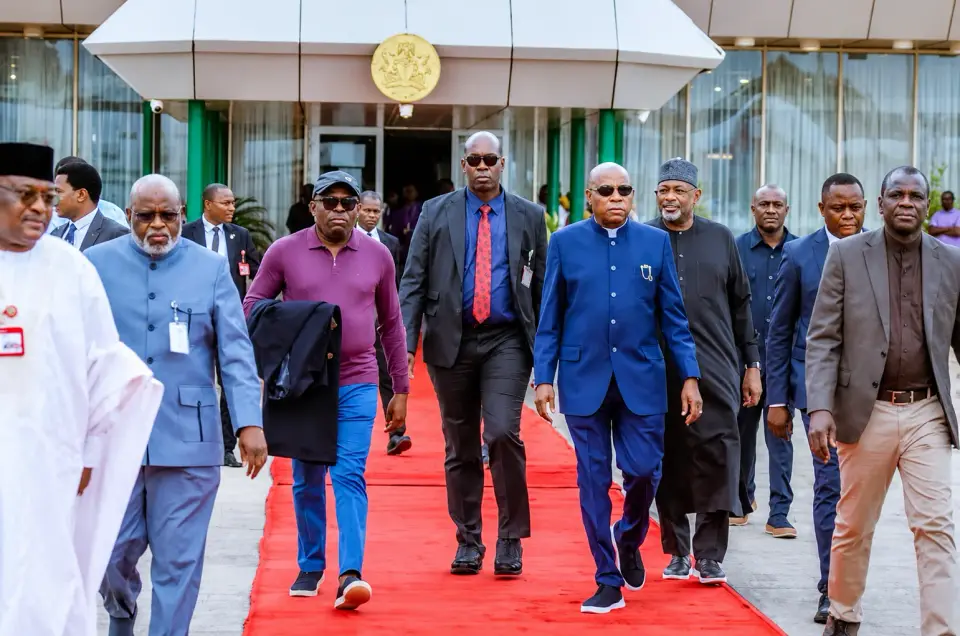
Nigeria Heads to UNGA 81 With Shettima Leading High-Level Delegation
20 Sept 2026

Nigeria
Soludo Endorses Tinubu for 2027 During First Lady’s Awka Reception
12 Sept 2026
Nigeria
Tompolo Boosts Tinubu’s 2027 Campaign With 50 Vehicles in Kano
28 Sept 2026
Nigeria
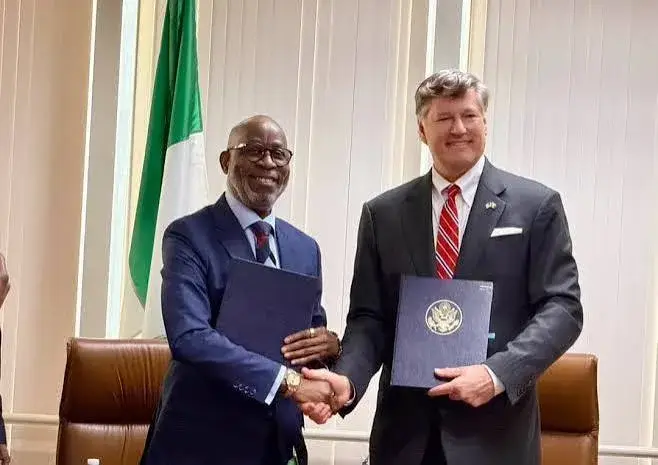
Nigeria, US Sign Deal to Unlock $700bn Mineral Wealth
26 Sept 2026
Nigeria
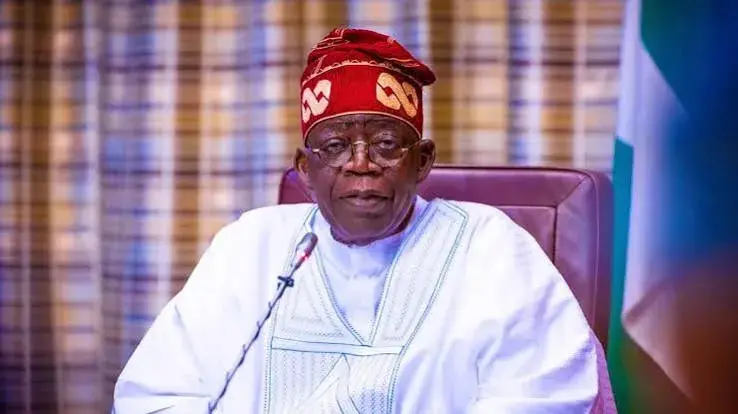
Nigeria @ 66: Tinubu’s Nationwide Broadcast to Headline Modest Independence Programme
19 Sept 2026
You may also like
Nigeria
Tinubu Approves ₦515m Relief for Cross River SPAR Fire Victims
5 Sept 2026
Nigeria
Presidency: Tinubu to Return This Weekend After Extending Working Leave
22 Sept 2026
Nigeria
Tinubu Orders Probe Into Deaths of Suspected Illegal Miners Detained by NSCDC in Niger
19 Sept 2026
Nigeria
Oluremi Tinubu Reaffirms Education as Cornerstone of Renewed Hope Agenda
17 Sept 2026
Nigeria
British High Commissioner-designate Pete Vowles Arrives in Nigeria
14 Sept 2026
Nigeria
Nigeria Reaffirms Support for WTO, Multilateralism at BRICS Summit
13 Sept 2026