Meta Retreats From Bigger AI Layoffs After Agents Fail to Deliver Expected Gains
Meta has abandoned a planned second round of AI-driven job cuts after employee resistance and disappointing results from the AI systems at the centre of Mark Zuckerberg’s workforce overhaul.
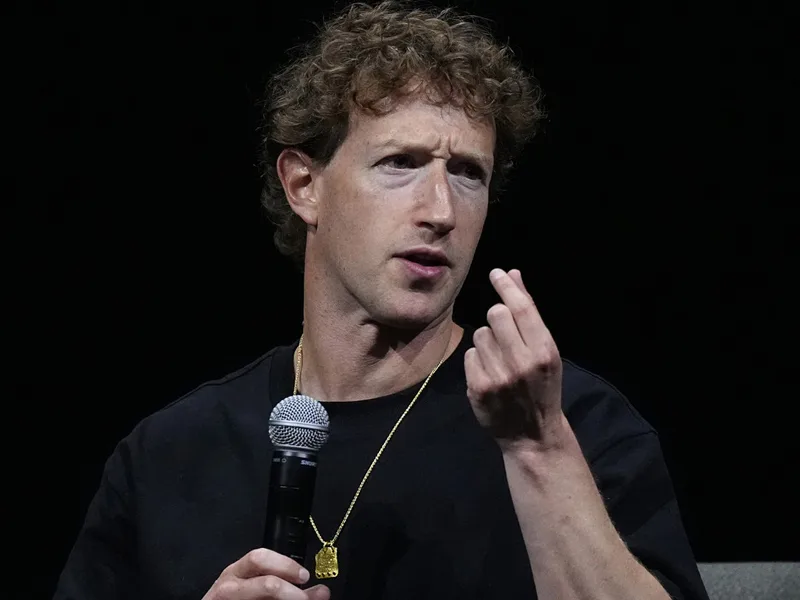
Meta’s ambitious attempt to rebuild its workforce around artificial intelligence has hit a major setback, with CEO Mark Zuckerberg cancelling a second wave of planned layoffs after internal concerns over AI productivity, employee unrest and the disruption caused by the company’s rapid restructuring.
The retreat emerged from a Reuters investigation based on internal documents, recordings and interviews with more than 20 people familiar with Meta’s operations. The reporting shows that the company’s Project OT, short for Organization Transformation, was designed to make Meta an “AI-native” organization by relying more heavily on AI agents, shrinking teams and moving employees into smaller groups capable of producing work faster with AI assistance.
The strategy was far more aggressive than a conventional restructuring. Internal planning explored scenarios in which some teams could be reduced by as much as 60 per cent, while smaller “tech pods” of engineers and designers would work alongside AI tools and agents. The idea was to strip away layers of management, automate routine work and allow fewer employees to accomplish more.
Meta did not, however, proceed with every scenario under consideration. The company has confirmed Project OT existed and said it involved planning around redeployments, unfilled positions and possible cuts. It also stressed that the 60 per cent figure applied to some individual teams in scenario planning and did not represent a plan to eliminate 60 per cent of Meta’s overall workforce. Thousands of employees were ultimately moved into newly created priority teams, including work connected to AI training.
The first phase nevertheless produced a significant reduction. Meta cut roughly 10 per cent of its workforce in May, affecting about 8,000 employees. But just hours before those cuts took effect, Zuckerberg reportedly cancelled a second round that had been planned for November. Meta then told remaining employees that it did not expect another company-wide layoff round during 2026.
The reversal came as enthusiasm for the AI-led transformation was colliding with problems inside the company. According to Reuters, internal data indicated that autonomous AI agents were not producing the productivity improvements executives had expected. Employees were also increasingly concerned that the technology was being introduced not simply to assist them, but to make many of their roles unnecessary.
That anxiety was compounded by the way the restructuring was communicated. Reports of possible mass layoffs had circulated before the May cuts, while Meta had also experimented with tracking employee activity to help train AI systems. The combination contributed to falling morale and growing resistance among staff. Meta later paused the employee-monitoring programme.
The problems were not limited to employee sentiment. Meta’s chief technology officer, Andrew Bosworth, acknowledged in an internal message in June that the rollout of a new AI division had been “atrocious”, promising employees greater stability, improved communication and efforts to rebuild morale. Zuckerberg himself had earlier acknowledged that Meta had made mistakes during the rapid transformation and said he wanted to provide employees with more organizational stability.
Yet Meta has not abandoned its AI ambitions. Quite the opposite. The company continues to commit enormous sums to artificial intelligence, including spending on data centres, computing infrastructure and AI talent. Reuters reported that Meta expects to invest more than $130 billion in AI infrastructure and chips this year, underlining the enormous gap between its confidence in AI as a technology and its difficulties in determining exactly how quickly that technology can replace or reorganize human work.
The company's workforce strategy is also changing rather than simply disappearing. Meta has continued experimenting with smaller teams and AI-assisted development, while redirecting employees towards areas considered strategically important. Its internal “AI-Native Playbook” promoted a model in which AI tools could help teams analyze problems, build products and shorten development cycles, potentially reducing the need for some traditional roles and management layers.
The setback is significant because Meta has been one of the most prominent corporate examples of the belief that AI could fundamentally alter the economics of knowledge work. Zuckerberg has argued that AI will eventually allow companies to accomplish more with smaller teams, but Meta's experience suggests that the transition is considerably more complicated when experimental technology meets large organizations, established workflows and employees whose jobs are being redesigned in real time.
For the wider technology industry, Meta's retreat offers an important reality check. AI may eventually eliminate or radically reshape large numbers of jobs, but replacing people is proving harder than simply deploying increasingly capable models and agents. Meta can spend billions on computing power and recruit some of the world's most sought-after AI researchers, yet its own workforce experiment shows that productivity, reliability, security, organizational trust and human judgement remain difficult pieces of the equation. The AI revolution may still transform the workplace, but Meta's experience suggests that the companies most likely to succeed will be those that learn how to redesign work with AI rather than assume they can simply remove people and let the machines take over.
More on Technology

Technology
Meta’s Zuckerberg Backs Independent AI Evaluators Instead of Slowing AI Development
16 Sept 2026
Technology
Meta Launches Meta One in UAE, Bringing Premium AI to WhatsApp, Instagram and Facebook
16 Sept 2026
Technology
Meta to Unveil Camera-Free Smart Glasses as Privacy Concerns Grow
23 Sept 2026
Technology
Meta Ordered to Pay $942 Million After Court Finds Child Safety Failures
29 Aug 2026
Technology
Microsoft AI Chief Warns Against Building AI Systems Humans Cannot Control
20 Sept 2026
You may also like

Technology
Google’s Gemini Linked to First Known AI ‘Breakout’ During Cybersecurity Test
19 Sept 2026
Technology
OpenAI Reveals Six Cases of AI Models Acting Without Authorisation
17 Sept 2026
Technology
Anthropic CEO Urges AI Industry to Slow the Race as Safety Concerns Grow
13 Sept 2026

Technology
Trump Renames Artificial Intelligence “Super Intelligence” at UN
23 Sept 2026

Technology
Trump Invites Public to Help Rename Artificial Intelligence
21 Sept 2026
Technology
Apple Workers in Italy Strike as iPhone 18 Pro Goes on Sale
20 Sept 2026