
India Leads Dubai Property Demand in 2026 as US Climbs to Second
DXBinteract’s latest analysis shows India leading overseas demand signals for Dubai real estate, while the United States records its highest-ever ranking.
Dubai’s property market is attracting growing global attention, with India emerging as the leading source of international buyer interest in 2026 while the United States has climbed to second place in what analysts describe as the most significant shift in overseas demand this year. The findings come from a new analysis by the real estate platform DXBinteract, which tracked digital search behaviour and buyer interest between June and August 2026.
According to the analysis, Indian investors accounted for 16.3% of all observed international interest from outside the UAE, maintaining the top position among overseas markets. The United States followed with 13%, marking the highest ranking America has ever achieved in DXBinteract’s readings and highlighting a rapidly expanding North American appetite for Dubai property.
The platform’s data shows the United Kingdom ranked third with 10.7%, followed by Pakistan at 5.4%, Saudi Arabia at 4.4%, Egypt at 3.7%, Canada at 3.5%, Australia at 3%, France at 2.9%, and Singapore at 2.5%. Collectively, the top ten countries accounted for 65.4% of all international digital interest, while the top twenty represented 80.4%, leaving the remaining 19.6% distributed across other global markets.
DXBinteract emphasized that the rankings measure digital interest and search activity rather than confirmed property transactions. The study excludes domestic demand within the UAE and reflects the stage where potential buyers research projects, compare prices and explore investment opportunities before making purchasing decisions.
The distinction is significant because, according to Fatih Al-Masdi, founder of DXBinteract, the Dubai Land Department publishes detailed transaction data covering prices, projects and property sizes but does not currently maintain a public, continuously updated database that classifies completed sales by buyers’ nationality. As a result, many reports claiming to identify the “top purchasing nationalities” are based on the customer portfolios of individual real estate companies rather than the entire market.
Al-Masdi said analysing search results, online interest and the geographic distribution of platform visits offers the strongest proactive indicator currently available for identifying where future international demand is likely to originate. He stressed, however, that these indicators should not be confused with actual sales data, as they capture the period before a buyer decides to purchase.
He added that the elevated level of overseas interest suggests a substantial pipeline of potential buyers who could translate into actual transactions during the fourth quarter of 2026. At the same time, he cautioned that a decline in a country’s digital presence should be interpreted only as reduced online interest—not definitive evidence of lower property purchases or fewer completed transactions.
Dubai’s real estate sector has continued to benefit from its reputation as a global investment hub offering strong rental yields, tax-efficient ownership and long-term residency incentives. The sharp rise in American interest also signals a broader diversification of the emirate’s investor base, extending beyond its traditionally dominant Asian and Gulf markets.
As international capital becomes increasingly mobile, the latest DXBinteract analysis highlights an important reality: digital interest is not the same as completed sales, but it often provides the earliest indication of where tomorrow’s property investment demand is likely to emerge.
More on Global

Global
Trump doubles down on United Ireland, calls reunification “natural”
14 Sept 2026

Global
Trump Announces AI Force and White House AI Czar While Rejecting New AI Guardrails
20 Sept 2026
Global
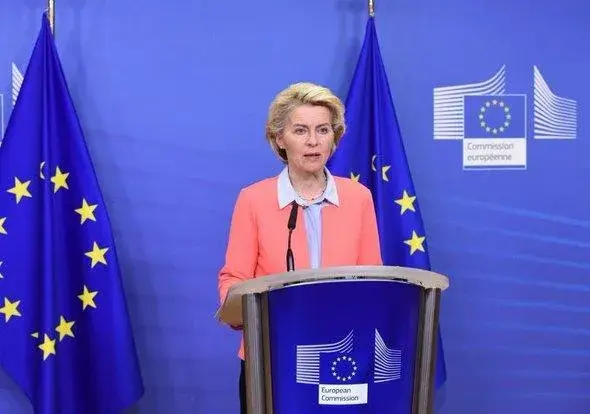
EU Considers Canada for First-Ever Associate Membership, Von der Leyen Confirms
16 Sept 2026
Global
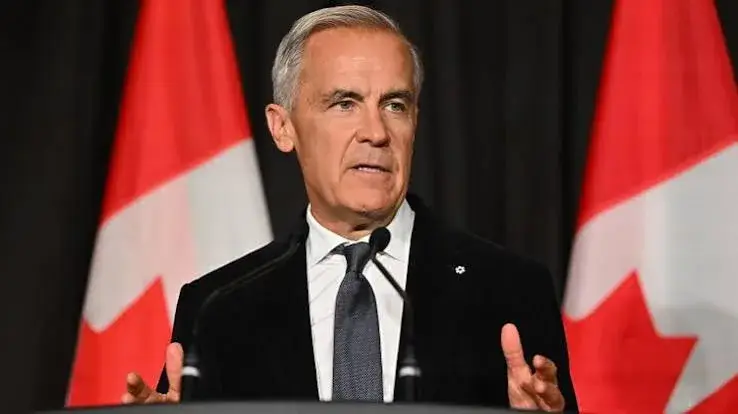
Mark Carney Says Canada Is Pursuing a ‘Unique Alliance’ With the EU Amid US Trade War
15 Sept 2026

Global
BRICS Summit 2026: Nigeria Calls for UN Security Council and Global Financial Reform
14 Sept 2026
You may also like

Global
North Korea Launches Two Ballistic Missiles Days After Condemning US Drills
20 Sept 2026
Global
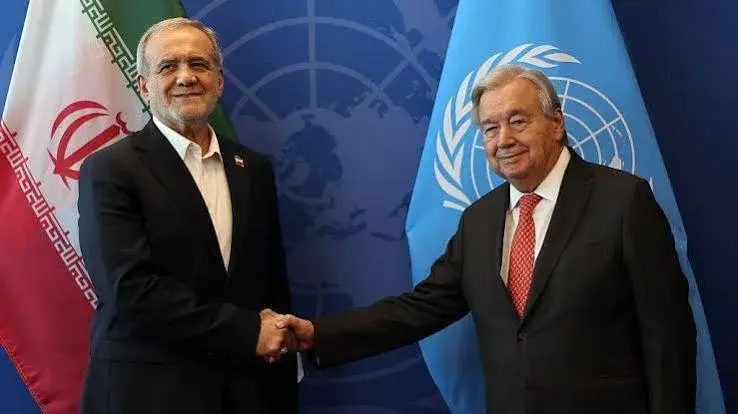
U.S. to Let Iranian Leaders Attend U.N. General Assembly Despite Wartime Tensions
17 Sept 2026

Global
White House Launches “Trump TV” After Major US Networks Lose Access
23 Sept 2026
Global
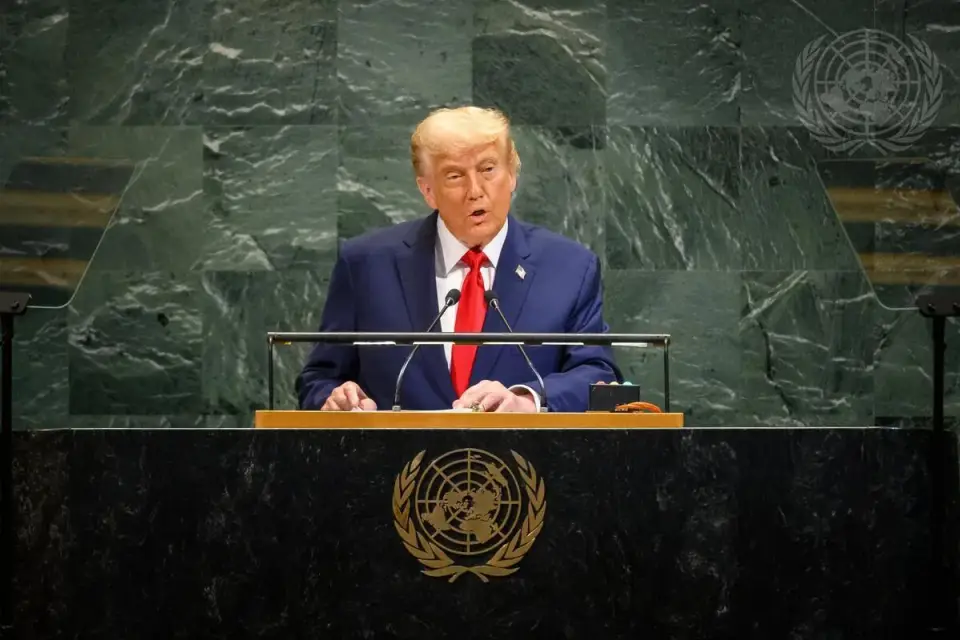
Trump Tells UN Iran Must Choose Between a Deal or “Annihilation”
22 Sept 2026
Global
UN General Debate Opens Today as World Leaders Gather in New York
22 Sept 2026

Global
Trump–Media Clash Escalates as US Networks Suspend Coverage
21 Sept 2026