
Glacier Collapse Warning Deepens Nepal–China Flood Disaster as Death Toll Tops 1,000
Scientists warn unstable Himalayan glaciers remain at serious risk of further collapse as rescuers race to save hundreds trapped underground.
The devastating flood that ripped through the Nepal–China border region has entered an even more dangerous phase, with scientists warning that the damaged Himalayan glaciers believed to have triggered the disaster are now at major risk of further collapse. As rescue operations continue around the clock, the confirmed death toll has surpassed 1,000, while more than 500 people remain trapped inside tunnels cut off by floodwaters and debris.
The catastrophe unfolded in the high Himalayas after a massive surge of water, rock and glacial debris thundered down the Bhote Koshi river system near the Nepal–Tibet border. Within hours, entire communities were swept away, bridges collapsed and vital transport routes linking the two countries were destroyed, leaving thousands stranded in isolated mountain valleys.
Rescue teams from Nepal and China have deployed helicopters, heavy machinery and specialized mountain responders in an effort to reach survivors buried beneath mud and shattered infrastructure. Officials say the number of missing remains significant, raising fears that the death toll could continue to climb as inaccessible areas are gradually reached.
What began as a deadly flood is now being treated as an ongoing geological emergency. Glaciologists monitoring the region say satellite imagery and field observations suggest sections of the glacier basin have become critically unstable following the initial collapse. Rather than a single isolated event, experts believe additional failures could unleash fresh torrents of water and debris downstream, prompting authorities to expand evacuation zones and tighten restrictions around vulnerable river valleys.
The most urgent operation is unfolding inside a network of tunnels where hundreds of workers became trapped after floodwaters inundated entrances and caused extensive structural damage. Engineers are attempting to stabilize the surrounding ground while rescue crews clear blocked access points, but unstable terrain and continuing water inflows have made progress slow and dangerous. Officials have not confirmed how many of those trapped have been contacted, describing the mission as a race against time.
The disaster has also renewed global attention on the growing threat posed by Himalayan glaciers. As rising temperatures accelerate glacier retreat across the region, unstable glacial lakes and weakened ice formations are increasing the likelihood of sudden glacial lake outburst floods, violent events capable of sending enormous volumes of water through densely populated mountain communities with little warning.
For Nepal and China, the tragedy is more than a humanitarian crisis. It is a stark reminder that climate-driven changes in the world’s highest mountain range are creating increasingly unpredictable risks for millions of people living downstream. As the search for survivors continues, the disaster is likely to reshape regional efforts to strengthen glacier monitoring, early warning systems and cross-border cooperation before the next collapse occurs.
More on Trending
Trending
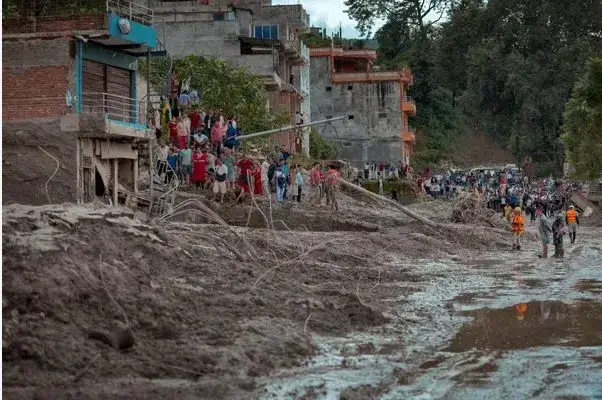
Nepal-Tibet Flood Death Toll Rises to 469 as Fresh Flood Threat Hampers Rescue
28 Aug 2026
Trending
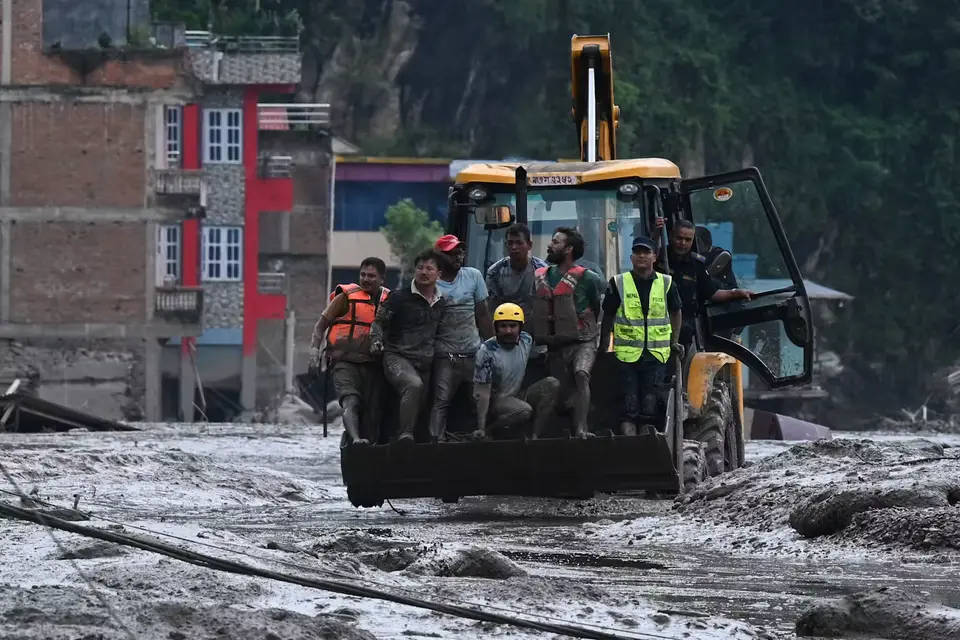
Glacier Collapse Triggers Deadly Nepal Flood as Rescue Teams Search for Nearly 1,500 Missing
27 Aug 2026
Trending
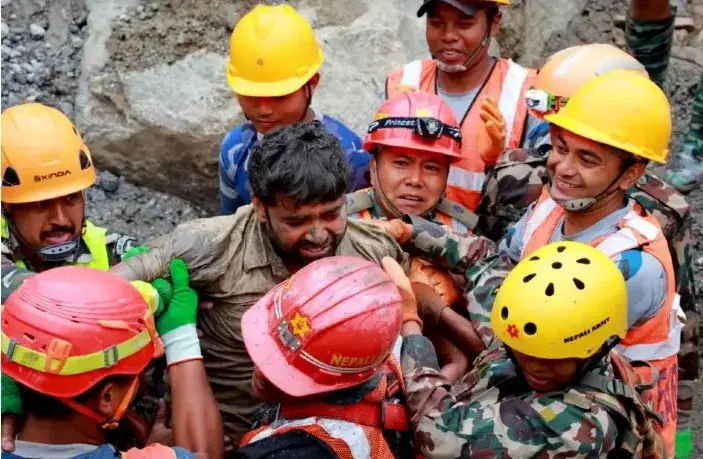
Two Workers Rescued Alive from Nepal Tunnel After Nine Days Trapped by Floods
4 Sept 2026

Trending
Kenya’s Edwin Kipyego Wins Enugu City Marathon as East Africans Dominate Elite Race
29 Aug 2026

Trending
Enugu City Marathon Takes Over Coal City as Thousands Race for Glory
29 Aug 2026
Partner with Follow Global Trends
Display banners, sponsored stories and founder spotlights.
You may also like

Trending
‘You Can’t Say All Military Are Corrupt’: Military Fires Back at VDM
26 Aug 2026

Trending
UK Coroner Links Nigerian Influencer’s Death to Cosmetic Procedure in Thailand
6 Sept 2026

Trending
Seven Dead, 23 Missing After Ferry Carrying 267 Capsizes Off Cyprus
30 Aug 2026

Trending
Royal Caribbean Passenger Rescued After 20 Hours at Sea
15 Oct 2026

Trending
Harry and Meghan Back in UK Spotlight With Visits to Youth and Food Charities
15 Oct 2026

Trending
Nicki Minaj Follows Peter Obi on X After Amplifying His Niger State Security Message
19 Sept 2026