
Seven Dead, 23 Missing After Ferry Carrying 267 Capsizes Off Cyprus
At least seven people have died and 23 remain missing after a passenger ferry carrying 267 people capsized off northern Cyprus, triggering a major search-and-rescue operation.
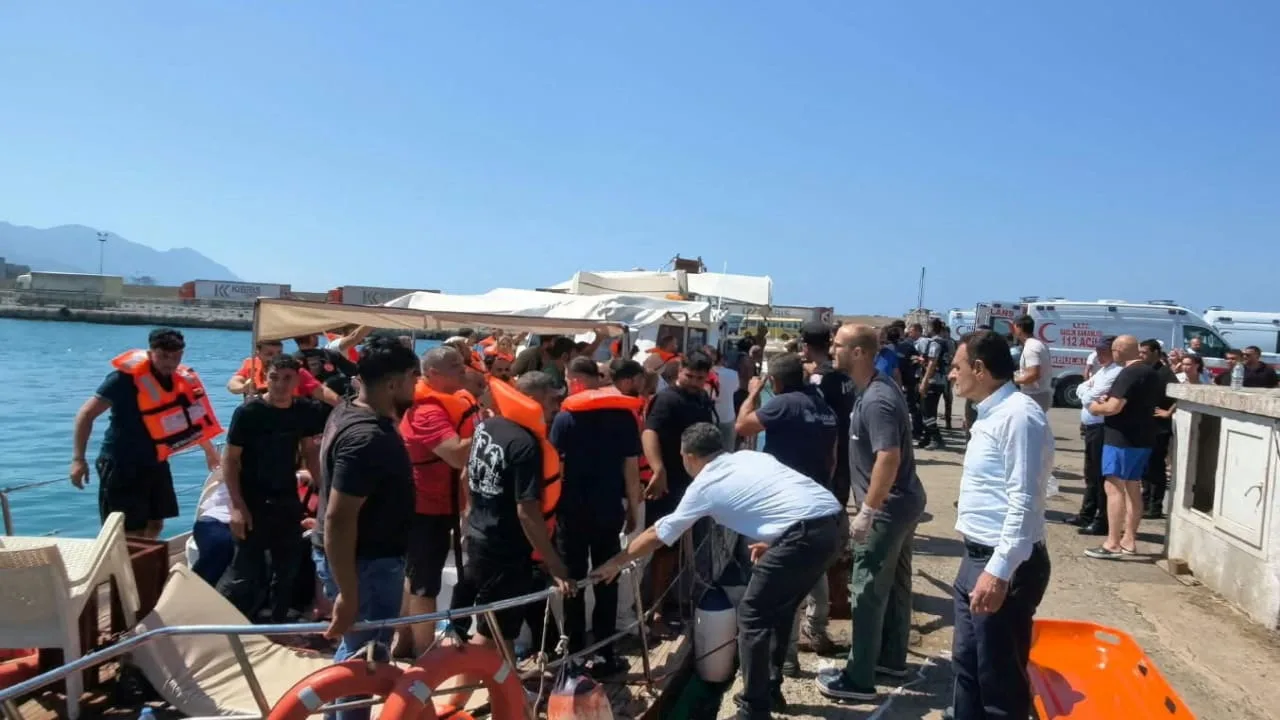
At least seven people have died after a high-speed passenger ferry carrying 267 people capsized off the coast of northern Cyprus on Sunday, with rescue teams continuing a large-scale search for 23 people still unaccounted for.
The vessel, identified as Filo Jet, was travelling from Kyrenia, also known as Girne, to the Turkish port of Taşucu in Mersin province when it ran into trouble shortly after leaving port. Turkish Cypriot Prime Minister Ünal Üstel said 259 passengers and eight crew members were aboard. By the latest official update, 237 people had been rescued.
Authorities said the ferry began taking on water several kilometres offshore. Turkish Cypriot Transport Minister Erhan Arıklı said the captain attempted to turn the vessel back towards Kyrenia after noticing the problem, but the ferry capsized before it could reach the port. The exact cause of the water ingress and subsequent capsizing has not yet been established.
Üstel said difficult weather conditions were believed to have played a role, but that explanation has not been established as the definitive cause of the disaster. Officials have urged against speculation while the emergency response and investigation continue.
Dramatic images from the scene showed passengers wearing life jackets in the water and clinging to the overturned vessel as rescue crews approached. Survivors were taken towards Kyrenia, where ambulances and medical teams had been placed on standby. Officials said none of those rescued was in critical condition in the latest update.
The scale of the response quickly expanded beyond the local coastguard. Turkish Cypriot authorities deployed four coastguard vessels and a passenger ship, while Turkey sent additional coastguard vessels and two helicopters. Turkey's Naval Forces also assigned six vessels to support the operation, according to the Turkish Interior Ministry.
The search is complicated by the depth of the sea in the area where the ferry went down. Tufan Erhürman, the Turkish Cypriot leader, said the water is roughly 500 metres deep and that divers were involved in the search, while specialist support from Turkey was also expected. He said the immediate priority was to locate the 23 missing people.
The incident has also prompted an offer of assistance from the internationally recognized Republic of Cyprus. President Nikos Christodoulides instructed his chief negotiator to communicate the government's willingness to provide search-and-rescue support if required, with the United Nations peacekeeping mission on the island involved in conveying the offer.
The ferry disaster has unfolded against the complicated political backdrop of Cyprus, which has remained divided since 1974. Northern Cyprus is controlled by the self-declared Turkish Republic of Northern Cyprus, recognized internationally only by Turkey, while the Republic of Cyprus controls the island's internationally recognized government and the southern part of the island.
For now, however, the political divide has been overshadowed by the human emergency. Rescue authorities are racing against time to find those still missing, while hospitals and emergency services continue to receive survivors.
The tragedy is likely to raise questions about maritime safety, emergency preparedness and the circumstances surrounding the ferry's decision to sail in difficult conditions once the immediate rescue operation is complete. For families still waiting for news, though, the priority remains much simpler: finding the missing and bringing them home. The disaster is a stark reminder of how quickly a routine passenger crossing can turn into a mass-casualty emergency, and why every decision made before and during a voyage can carry consequences far beyond the vessel itself.
More on Trending
Trending
Glacier Collapse Triggers Deadly Nepal Flood as Rescue Teams Search for Nearly 1,500 Missing
27 Aug 2026
Trending
Nepal-Tibet Flood Death Toll Rises to 469 as Fresh Flood Threat Hampers Rescue
28 Aug 2026
Trending
Royal Caribbean Passenger Rescued After 20 Hours at Sea
15 Oct 2026
Trending
Small Plane Crashes Off Groote Eylandt as Rescue Crews Struggle to Reach Remote Site
25 Aug 2026

Trending
Missing Nigerian Woman Saratu Jibo Found Safe in Doha After Airport Scare
7 Sept 2026
Partner with Follow Global Trends
Display banners, sponsored stories and founder spotlights.
You may also like

Trending
UK Coroner Links Nigerian Influencer’s Death to Cosmetic Procedure in Thailand
6 Sept 2026

Trending
Trump Says He’s Naming Projects After Himself Because ‘Nobody Will’ Later
6 Sept 2026
Trending
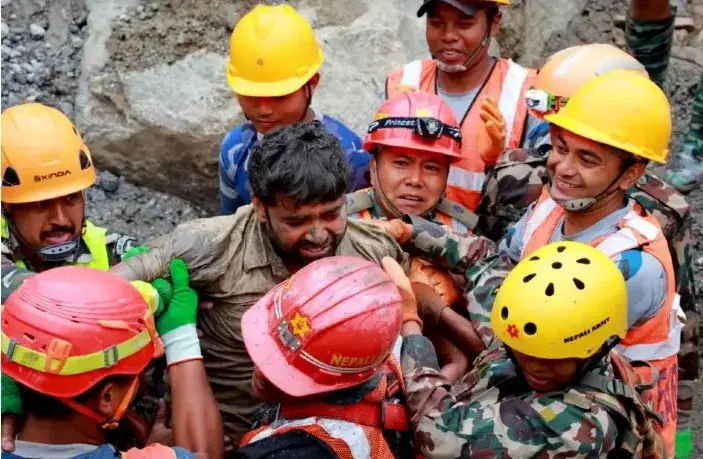
Two Workers Rescued Alive from Nepal Tunnel After Nine Days Trapped by Floods
4 Sept 2026

Trending
Feminist Icon Gloria Steinem Dies at 92
4 Sept 2026

Trending
Jazz legend Cassandra Wilson dies peacefully at 70, family confirms
3 Sept 2026
Trending
Glacier Collapse Warning Deepens Nepal–China Flood Disaster as Death Toll Tops 1,000
1 Sept 2026