
Glacier Collapse Triggers Deadly Nepal Flood as Rescue Teams Search for Nearly 1,500 Missing
A catastrophic flash flood along Nepal’s border with Tibet has killed at least 165 people and left nearly 1,500 missing as rescuers race against difficult terrain and the threat of further flooding.
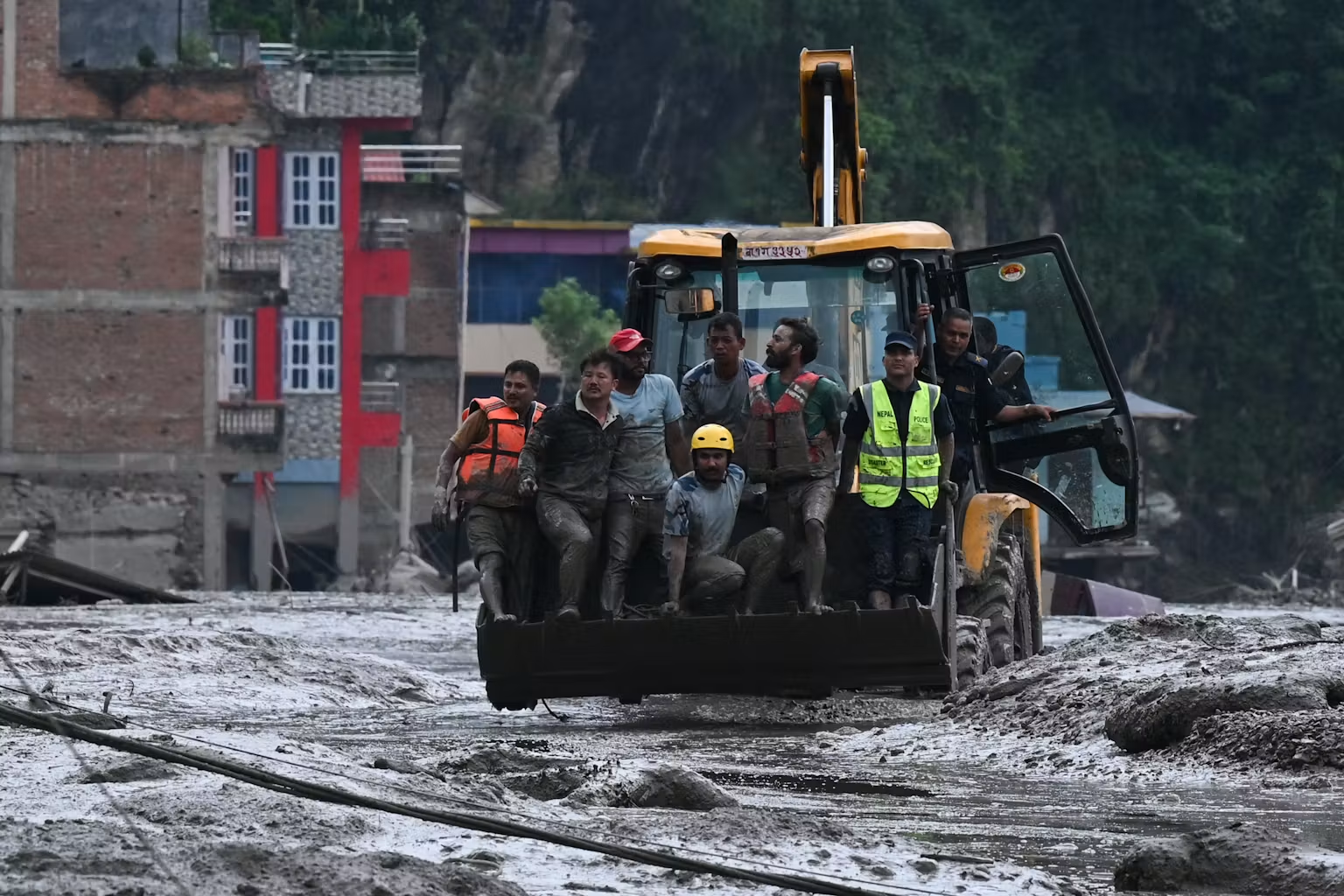
A devastating flash flood that tore through northern Nepal and neighbouring Tibet has left at least 165 people dead and nearly 1,500 missing, turning parts of the Himalayan border region into a vast search-and-rescue operation. The disaster struck on Wednesday, August 26, destroying homes, roads, bridges and other infrastructure along major river valleys.
The flooding was initially associated with a seismic event, but subsequent analysis identified a far more unusual trigger: the collapse of part of a Himalayan glacier, sending enormous quantities of ice, rock and debris into a river valley. The resulting surge travelled rapidly downstream, overwhelming communities in Nepal’s Rasuwa district and crossing into China’s Tibet region.
Nepal has borne the heaviest reported loss of life. Reuters reported on Thursday that at least 165 people had died, while the number of people still unaccounted for across Nepal and Tibet was approaching 1,500. The figures remain fluid because communications have been disrupted and some affected settlements are difficult to reach.
The disaster has also become an international concern because a large number of foreign travellers were in the affected region. Nepalese authorities were working to establish the whereabouts of hundreds of tourists and other travellers, including citizens from India, the United States, Britain, Australia, Canada, Malaysia, South Korea and several other countries. At least 125 people had reportedly been rescued by Thursday, including foreign nationals.
Rescue teams from the Nepalese Army, police and other agencies have been deployed alongside helicopters and emergency equipment. Operations, however, have been complicated by destroyed roads and bridges, power and communications outages, heavy mud and continuing difficult weather conditions. Nepalese authorities have also warned of risks along downstream rivers as teams continue searching for survivors.
Across the border, Chinese authorities have been dealing with their own destruction and a separate concern: water and debris blockages that could create another dangerous surge. Experts have warned that a temporary blockage upstream could produce a secondary flood if it fails suddenly, adding another layer of danger for communities downstream.
The timing is particularly significant. Nepal is in the middle of its annual monsoon season, when heavy rainfall routinely raises the risk of floods and landslides. Even before this disaster, Nepalese authorities had recorded 85 deaths from floods, landslides, lightning and other monsoon-related disasters between April and mid-August.
But this catastrophe is not simply another monsoon flood. Scientists and disaster experts are increasingly focused on the changing risks in the Himalayas, where warming temperatures are accelerating glacier loss and can destabilize ice, rock and high-altitude terrain. The immediate cause of this event has been linked to the glacier collapse and resulting debris flow; the broader role of climate change in increasing such hazards requires continued scientific assessment.
For now, the priority remains finding those still missing. Every hour matters in a landscape where entire sections of road and settlements have been swept away, while rescuers must work around the possibility of further landslides and flooding.
The Nepal disaster is a stark reminder that Himalayan communities face hazards that can develop with extraordinary speed and cross national borders. It also puts pressure on Nepal, China and other countries in the region to strengthen early-warning systems, disaster coordination and infrastructure capable of withstanding increasingly complex mountain hazards. What began as a sudden collapse high in the Himalayas has become a humanitarian emergency stretching across borders, and a warning about how quickly environmental instability can turn into a regional crisis.
More on Trending
Trending
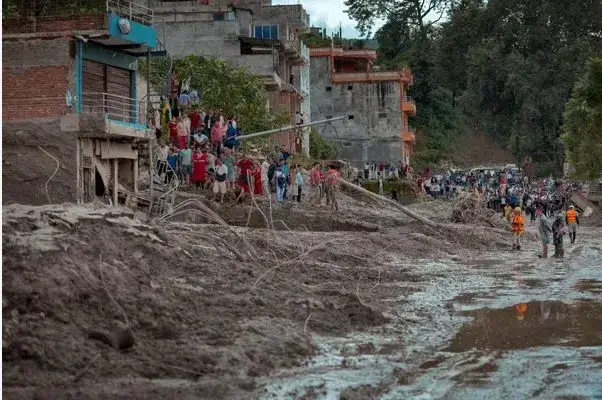
Nepal-Tibet Flood Death Toll Rises to 469 as Fresh Flood Threat Hampers Rescue
28 Aug 2026
Trending
Glacier Collapse Warning Deepens Nepal–China Flood Disaster as Death Toll Tops 1,000
1 Sept 2026

Trending
Seven Dead, 23 Missing After Ferry Carrying 267 Capsizes Off Cyprus
30 Aug 2026
Trending
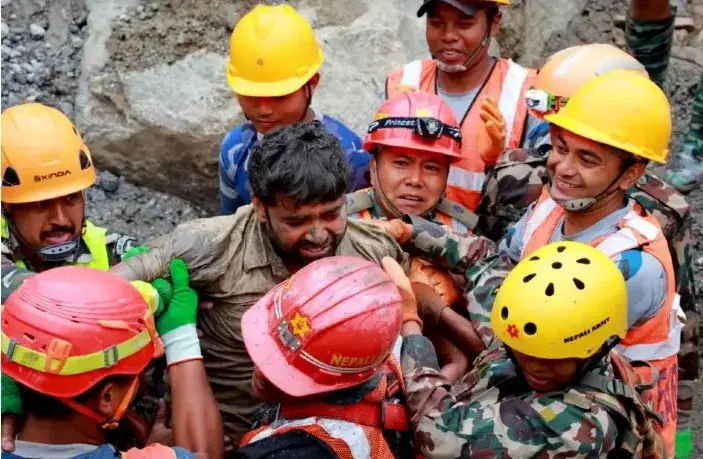
Two Workers Rescued Alive from Nepal Tunnel After Nine Days Trapped by Floods
4 Sept 2026

Trending
Royal Caribbean Passenger Rescued After 20 Hours at Sea
15 Oct 2026
Partner with Follow Global Trends
Display banners, sponsored stories and founder spotlights.
You may also like

Trending
Kenya’s Edwin Kipyego Wins Enugu City Marathon as East Africans Dominate Elite Race
29 Aug 2026

Trending
Enugu City Marathon Takes Over Coal City as Thousands Race for Glory
29 Aug 2026

Trending
Missing Nigerian Woman Saratu Jibo Found Safe in Doha After Airport Scare
7 Sept 2026

Trending
Jury Finds Duane ‘Keffe D’ Davis Guilty in Tupac Shakur Murder Case
1 Sept 2026
Trending
Small Plane Crashes Off Groote Eylandt as Rescue Crews Struggle to Reach Remote Site
25 Aug 2026

Trending
Harry and Meghan Back in UK Spotlight With Visits to Youth and Food Charities
15 Oct 2026