
‘You Can’t Say All Military Are Corrupt’: Military Fires Back at VDM
Military representatives have pushed back against VeryDarkMan’s sweeping claims about corruption and insecurity, warning that serious allegations against the armed forces must be supported with evidence.
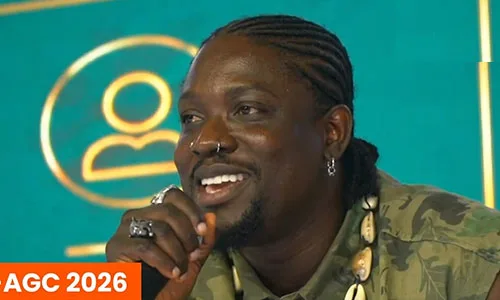
The Nigerian military has challenged social media activist Martins Vincent Otse, popularly known as VeryDarkMan (VDM), after he made sweeping allegations about the role of security agencies in Nigeria’s worsening insecurity at the Nigerian Bar Association’s annual conference in Port Harcourt.
The exchange took place on Tuesday during a panel discussion on Nigeria’s security crisis, where VDM accused government officials and security agencies of benefiting from prolonged insecurity. He also alleged that security personnel know the identities or locations of people behind violent attacks but have failed to act decisively.
VDM went further, arguing that there were no genuinely “unknown gunmen” in Nigeria and naming the military, police, immigration and customs authorities in making his point. He also questioned the effectiveness of security checkpoints along major highways, alleging that information gathered from motorists could potentially be passed to criminal groups involved in kidnapping. He did not present evidence at the session to substantiate those allegations.
The comments drew a direct response from military representatives on the panel. G.I.O. Ukpung, Director of Legal Services of the Nigerian Navy, said it was unfair to make blanket accusations against the entire military without evidence. She compared the claim to saying that all lawyers were corrupt and urged anyone with credible evidence of misconduct by military personnel to submit it through the appropriate channels for investigation.
A Nigerian Army representative, Colonel G.C. O’Heary, also acknowledged that wrongdoing can occur within the military but rejected the idea that the conduct of individual personnel should be used to condemn the entire institution. Military personnel, he stressed, continue to risk and lose their lives in the fight against insecurity.
The intervention appeared to prompt VDM to soften his position. According to reports from the conference, he apologized to the military and said he may have generalized his earlier comments. He maintained, however, that his broader concern was about the conduct and accountability of security institutions in the face of persistent insecurity.
The confrontation came during a particularly outspoken appearance by VDM at the NBA conference. He argued that insecurity was fundamentally political and claimed that ordinary Nigerians had become the “sacrificial lambs” while some officials and security personnel benefited from increased security spending. Those claims were presented as allegations rather than established findings, and no evidence was produced at the session to prove that government or military officials were deliberately sustaining insecurity for financial gain.
VDM also called for improved welfare for security personnel, arguing that poorly paid or inadequately supported officers could become vulnerable to corruption and manipulation. At another point, he called for easier access to firearms for citizens, saying the security agencies were understaffed and could not protect everyone.
His appearance was notable because the activist was speaking to an audience dominated by lawyers and alongside senior security officials, including Inspector-General of Police Olatunji Disu. VDM said he had not been invited to lecture lawyers on legal matters but to share his experiences of witnessing violence and its aftermath.
The NBA subsequently presented VDM with a recognition award after his appearance, a development that added another layer to an already controversial session. His invitation had generated debate among some lawyers and members of the public, with critics questioning whether a social media activist was an appropriate speaker at a major professional conference, while supporters argued that his firsthand exposure to victims of violence gave him a perspective worth hearing.
The latest confrontation is not VDM’s first clash with Nigerian security institutions. Earlier this month, the Nigeria Police Force invited him to substantiate separate allegations against Assistant Inspector-General of Police Moshood Jimoh. The police said freedom of expression and criticism of public institutions were protected, but warned that serious allegations should be formally presented and investigated rather than settled through social-media campaigns.
That distinction is becoming increasingly important as social media personalities assume a larger role in Nigeria’s accountability debates. Public criticism of the military, police or government is legitimate in a democracy, and institutions should be able to withstand scrutiny. But allegations involving corruption, criminal conduct or deliberate complicity in insecurity carry consequences and require evidence if they are to move beyond commentary into credible accusations.
The dispute at the NBA conference ultimately exposed two competing pressures: Nigerians' growing frustration with insecurity and the need for public figures to distinguish between documented wrongdoing and sweeping claims. The military's response does not establish that security agencies are free from corruption or misconduct, just as VDM's allegations do not establish that the institutions are responsible for sustaining insecurity. What matters now is whether specific claims can be independently investigated, and whether institutions that demand evidence are equally prepared to act when credible evidence is placed
More on Trending
Trending
Glacier Collapse Warning Deepens Nepal–China Flood Disaster as Death Toll Tops 1,000
1 Sept 2026
Trending
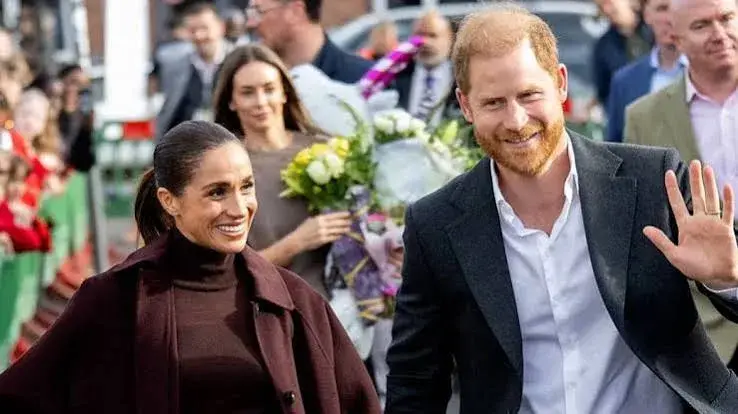
Harry and Meghan Back in UK Spotlight With Visits to Youth and Food Charities
15 Oct 2026
Trending
President Trump Claims ‘The Moon Is Ours,’ Igniting Global Space Debate
7 Sept 2026

Trending
Royal Caribbean Passenger Rescued After 20 Hours at Sea
15 Oct 2026
Trending
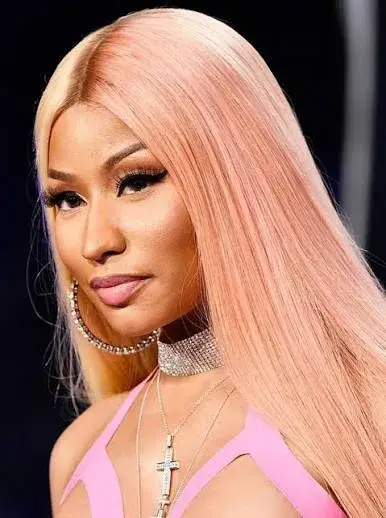
Nicki Minaj Follows Peter Obi on X After Amplifying His Niger State Security Message
19 Sept 2026
Partner with Follow Global Trends
Display banners, sponsored stories and founder spotlights.
You may also like
Trending
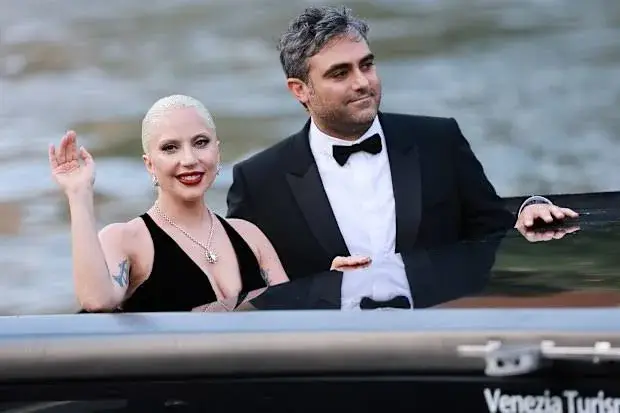
Lady Gaga Welcomes First Child With Fiancé Michael Polansky
12 Sept 2026
Trending
Missing Nigerian Woman Saratu Jibo Found Safe in Doha After Airport Scare
7 Sept 2026
Trending
UK Coroner Links Nigerian Influencer’s Death to Cosmetic Procedure in Thailand
6 Sept 2026
Trending
Trump Says He’s Naming Projects After Himself Because ‘Nobody Will’ Later
6 Sept 2026

Trending
Indonesia Volcano Eruption Strands 150,000 Passengers as Eight Airports Close
6 Sept 2026
Trending
Two Workers Rescued Alive from Nepal Tunnel After Nine Days Trapped by Floods
4 Sept 2026