
Europe’s Biggest Airline Warns of Fuel Shock That Could Hit 2027 Holidays
Europe’s largest airline says prolonged geopolitical tensions could drive up fuel costs and make summer air travel significantly more expensive.
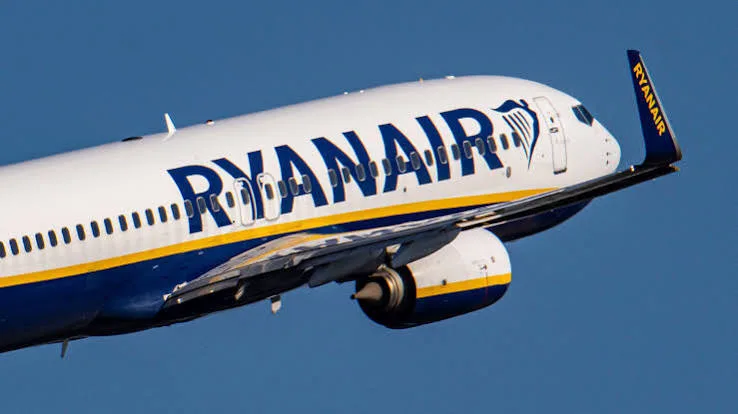
Ryanair has warned that the price of jet fuel could soar next summer if instability in the Middle East continues, raising the prospect of higher airfares across Europe and putting financial pressure on airlines that are less protected against rising energy costs.
The Irish low-cost carrier issued the warning as it announced adjustments to its winter operations, saying elevated fuel prices have become one of the biggest threats facing the aviation industry. Chief Executive Michael O’Leary said a prolonged disruption to global fuel supplies, particularly around the Strait of Hormuz—could push jet fuel prices sharply higher and reshape the economics of short-haul flying.
Although Ryanair expects to remain profitable, the airline acknowledged that its earnings are likely to fall below last year’s record levels. To reduce exposure to expensive fuel during the traditionally weaker winter season, the company has cut its passenger growth target for its current financial year from 216 million to 214 million and plans to keep winter capacity broadly flat.
O’Leary argued that Ryanair is better positioned than many of its rivals because around 80% of its fuel requirements are already hedged at approximately $67 per barrel through March 2027. However, he warned that competitors with lower levels of fuel hedging could struggle to absorb sustained price increases, potentially forcing them to reduce flights or even exit the market.
The warning comes against the backdrop of continuing geopolitical tensions affecting global energy markets. Aviation fuel prices have risen as conflict in the Middle East has disrupted supply chains and increased uncertainty around one of the world’s most important oil shipping routes. While crude oil has climbed, refined products such as jet fuel have experienced even sharper pricing pressures because of tighter refinery capacity and supply constraints.
For travellers, Ryanair says the immediate impact may be limited, particularly during the current summer season. The bigger concern is summer 2027, when airlines with greater exposure to spot fuel markets may have little choice but to pass higher operating costs on to passengers through more expensive tickets.
The airline’s outlook also reflects a broader shift across Europe’s aviation sector, where carriers are increasingly balancing ambitious passenger growth with volatile energy costs and geopolitical uncertainty. Industry analysts say fuel remains one of the largest expenses for airlines, meaning prolonged price shocks could influence everything from route networks to ticket prices.
Ryanair’s warning serves as an early signal that the next summer travel season may depend as much on global politics as consumer demand. If fuel markets remain under pressure, Europe’s era of ultra-cheap flights could face its toughest test in years.

Transport Aviation
Emirates Signs Seven Tourism Partnerships at Arabian Travel Market 2026
14 Sept 2026
Transport Aviation
IATA: Nigeria Remains One of the Toughest Markets for Airline Business
12 Sept 2026
Transport Aviation
Toyota and IVECO Launch Next-Generation Hydrogen Truck Partnership
13 Sept 2026

Transport Aviation
Etihad Rail Crosses 100,000 Tickets as UAE Embraces Intercity Train Travel
31 Aug 2026
Transport Aviation
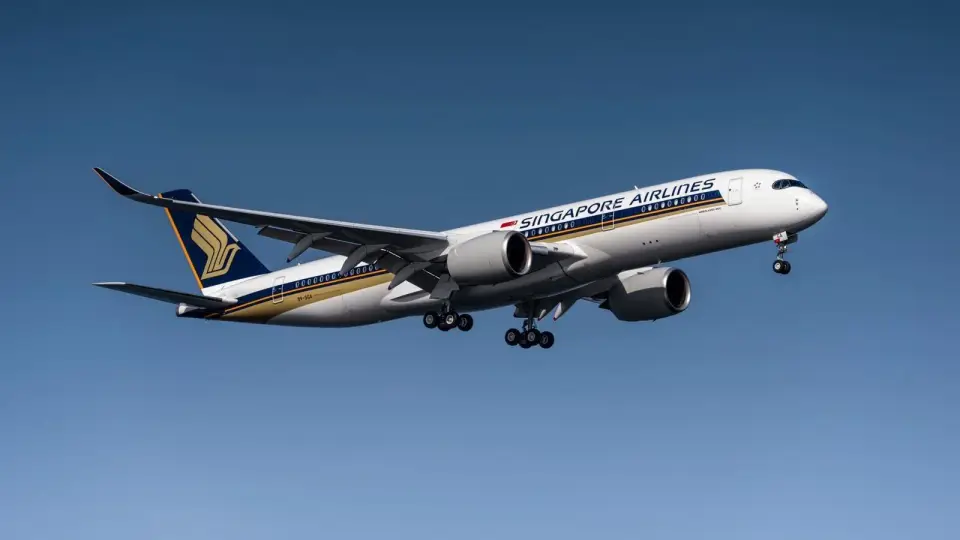
Singapore Airlines Crowned World’s Best Airline for 2026
19 Sept 2026
You may also like
Transport Aviation
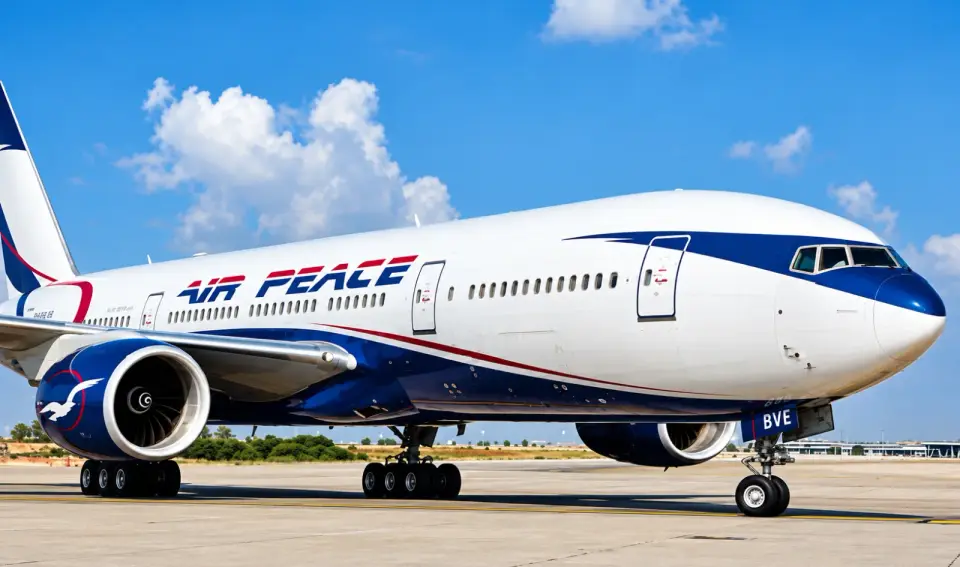
Air Peace Rejects NCAA Delay Report, Cites Weather, Congestion and Data Errors
17 Sept 2026

Transport Aviation
Nigeria’s Vehicle Imports Surge 146% to ₦1.18tn in H1 2026 as Transport Import Bill Soars
13 Sept 2026

Transport Aviation
Dubai, Abu Dhabi Brace for Cheaper Flights as Wizz Air Resumes Operations
10 Sept 2026

Transport Aviation
Emirates Unveils World’s First Electric Premium Economy Seat with Full-Height Privacy Screen
4 Sept 2026
Transport Aviation
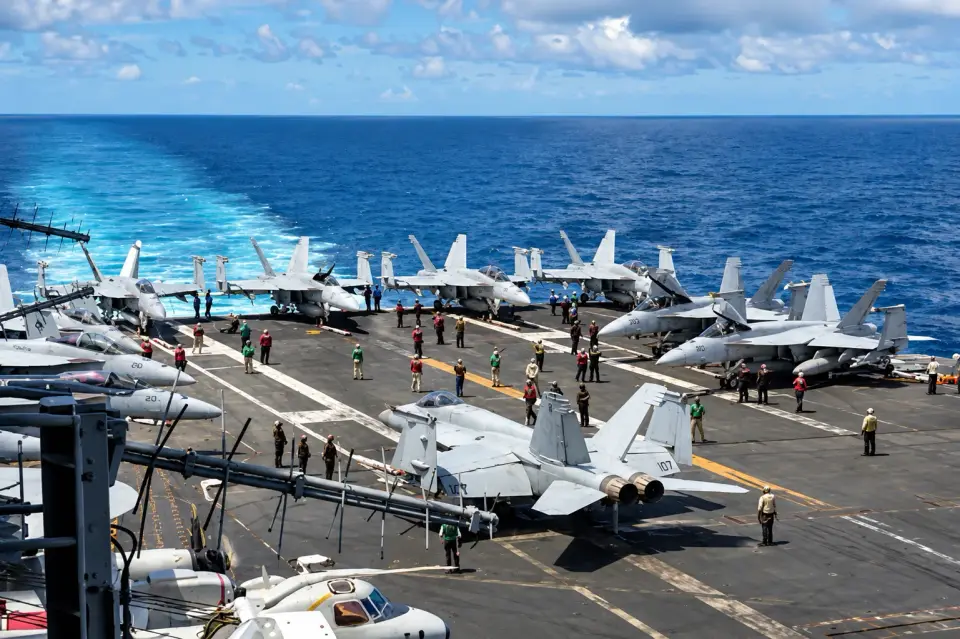
Two Navy Aviators Eject During USS Eisenhower Landing, Four Injured
29 Sept 2026
Transport Aviation
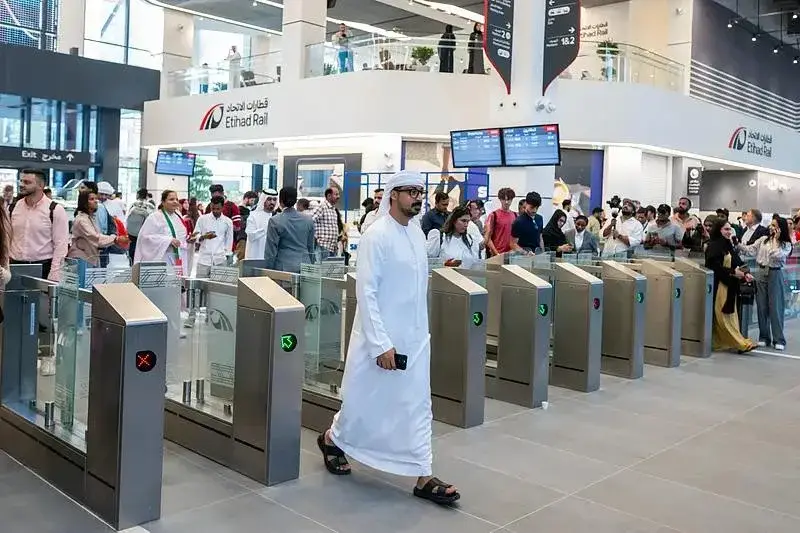
UAE Opens Bookings for Historic Dubai–Abu Dhabi Etihad Rail Service
23 Sept 2026