
IATA: Nigeria Remains One of the Toughest Markets for Airline Business
The International Air Transport Association says Nigeria remains one of the world’s most difficult environments for airline operations, citing high taxes, infrastructure costs and regulatory burdens that continue to squeeze profitability.
The International Air Transport Association (IATA) has described Nigeria as one of the most challenging countries in the world for airlines to operate profitably, warning that high operating costs and multiple government charges continue to undermine the sustainability of the country’s aviation industry.
Speaking during industry engagements, IATA Director General Willie Walsh said establishing and running a commercially successful airline in Nigeria remains an uphill task because carriers face an unusually expensive operating environment compared with many other markets.
According to the association, airlines in Nigeria contend with a combination of high taxes, airport and navigation charges, expensive aviation fuel, foreign exchange challenges and infrastructure-related costs. These pressures, IATA argues, make it significantly harder for both domestic and international carriers to maintain profitable operations despite strong passenger demand.
The warning comes as Nigeria’s aviation sector continues to recover from years of economic volatility. Although passenger traffic has remained resilient and several airlines have expanded domestic and regional routes, operators say rising costs have increasingly translated into higher airfares and tighter profit margins.
IATA also noted that the challenges are particularly severe for indigenous airlines, many of which operate relatively small fleets while contending with escalating maintenance expenses and limited access to affordable financing. The association has repeatedly called for policies that reduce the cost of doing business, arguing that a healthier airline industry would improve connectivity, tourism and broader economic growth.
The comments coincide with broader concerns across the global aviation industry. Earlier this year, IATA revised its worldwide airline profit forecast downward after surging jet fuel prices linked to geopolitical tensions significantly increased operating costs for carriers around the world. While global demand for air travel remains strong, the association warned that profitability is becoming increasingly fragile.
Nigeria has in recent years pursued reforms aimed at modernizing airports, attracting new international routes and strengthening aviation regulation. Industry stakeholders, however, insist that infrastructure improvements alone will not be enough unless the country also addresses the financial and regulatory barriers confronting airlines.
For Africa’s largest economy, IATA’s assessment is more than an industry critique, it is a reminder that aviation is both a transport service and a strategic economic enabler. Reducing the cost of airline operations could expand connectivity, stimulate trade and make air travel more affordable for millions of Nigerians while improving the long-term viability of the country’s carriers.

Transport Aviation
Nigeria’s Vehicle Imports Surge 146% to ₦1.18tn in H1 2026 as Transport Import Bill Soars
13 Sept 2026

Transport Aviation
Enugu Air Goes International With Non-Stop Enugu–Douala Flights
21 Sept 2026
Transport Aviation
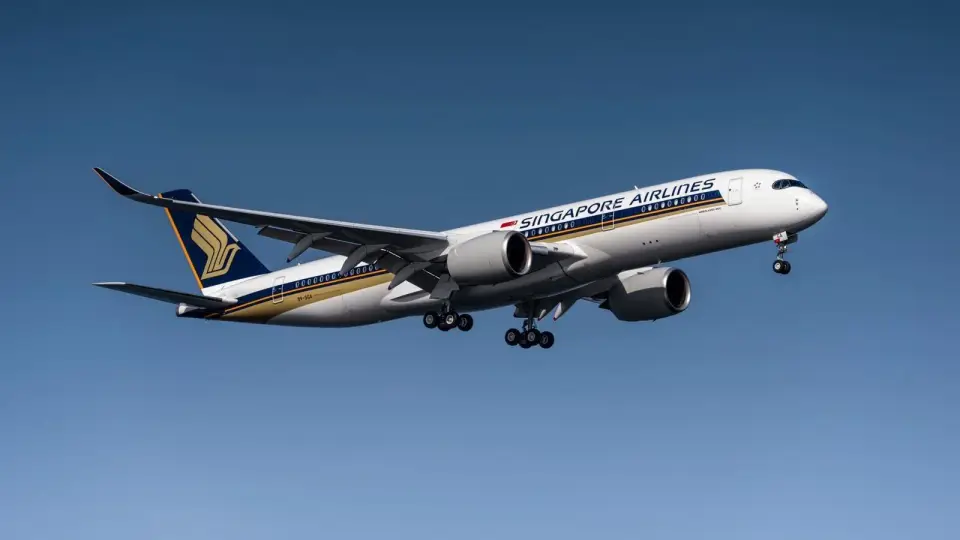
Singapore Airlines Crowned World’s Best Airline for 2026
19 Sept 2026
Transport Aviation
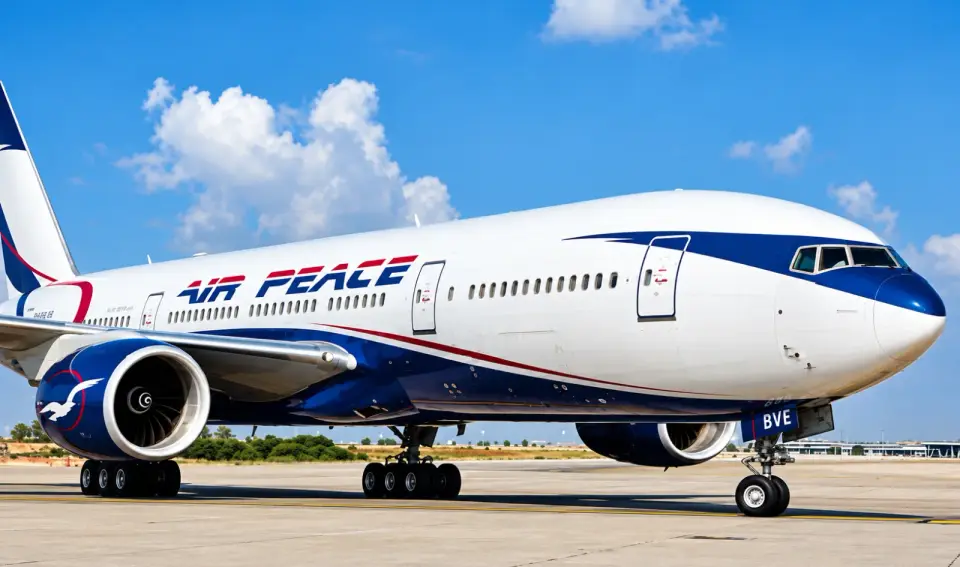
Air Peace Rejects NCAA Delay Report, Cites Weather, Congestion and Data Errors
17 Sept 2026

Transport Aviation
Dubai Airport Launches Five-Minute International Driving Licence Service
14 Sept 2026
You may also like

Transport Aviation
Nigeria Presses EgyptAir to Replace Ageing Planes Serving Abuja and Lagos
11 Sept 2026
Transport Aviation
Lagos Begins Diesel Bus Phase-Out, Targets Fully Electric Fleet
4 Oct 2026

Transport Aviation
Tinubu: CNG Rollout to Deliver Cheaper Transport Fares From October
20 Sept 2026

Transport Aviation
Abuja Rail Network to Connect Kaduna, Zaria, Kano, Daura and Katsina
16 Sept 2026

Transport Aviation
Emirates Signs Seven Tourism Partnerships at Arabian Travel Market 2026
14 Sept 2026

Transport Aviation
RwandAir Hit with ₦15 Million NCAA Penalty Over Passenger’s Damaged Bag
13 Sept 2026