
Tinubu: CNG Rollout to Deliver Cheaper Transport Fares From October
The President says the expanding Compressed Natural Gas initiative is expected to translate into cheaper transportation for millions of Nigerians.
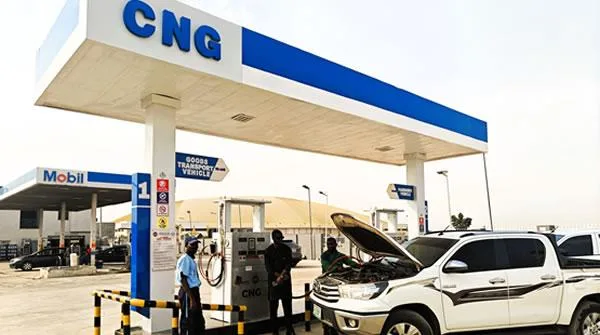
President Bola Ahmed Tinubu has said Nigerians should begin to experience lower transport fares from October as the Federal Government’s Compressed Natural Gas (CNG) Programme gathers momentum, with thousands of CNG-powered vehicles and conversion centres expected to become more widely available across the country.
The President disclosed this in a statement issued on Saturday by his Special Adviser on Information and Strategy, Bayo Onanuga, following discussions with the governors of Nigeria’s 36 states. Tinubu said that during a meeting with the governors on August 27, a collective target was agreed to ensure that commuters begin to see measurable reductions in transportation costs from October 1.
“On August 27, I met with the governors of our 36 states, and we agreed on a clear objective. From October 1, more Nigerians should begin to see measurable reductions in transportation costs,” Tinubu said.
To drive implementation, the President said a committee has been established under the Nigeria Governors’ Forum (NGF), chaired by Kwara State Governor AbdulRahman AbdulRazaq. The committee will work alongside the Presidential Initiative on Compressed Natural Gas and Electric Vehicles (PiCNG & EV), state governments and other stakeholders to identify priority transport corridors and determine the interventions required to bring down passenger fares.
The Presidential CNG Initiative was launched to accelerate the transition from petrol and diesel to compressed natural gas, a fuel that is significantly cheaper and more abundant in Nigeria. The programme includes the expansion of CNG refuelling infrastructure, support for vehicle conversion, financing for transport operators and incentives aimed at increasing the number of gas-powered commercial vehicles nationwide.
Government officials say dozens of conversion centres are already operational, while additional refuelling stations are being developed in major cities and transport corridors to improve accessibility for commercial drivers.
Transportation costs have remained one of the biggest contributors to household inflation since the removal of petrol subsidies in 2023. Rising fuel prices increased the cost of moving people and goods, affecting workers, students, traders and businesses across the country.
The administration believes that reducing fuel costs through CNG could ease pressure on commuters while also lowering logistics expenses for businesses that rely heavily on road transport. Industry analysts, however, note that the pace of fare reductions will depend on how quickly commercial operators convert their fleets and gain reliable access to CNG infrastructure.
Transport unions and fleet operators have generally welcomed the expansion of CNG, describing it as a practical alternative for lowering operating expenses. Several state governments have also begun introducing CNG-powered buses into their public transport systems, while private logistics companies are gradually adopting gas-powered fleets as conversion capacity increases.
Energy experts say Nigeria’s vast natural gas reserves give the country a strategic advantage in developing a cleaner and more affordable transport ecosystem, although sustained investment in refuelling stations and maintenance infrastructure will be essential for long-term success.
If the promised reductions begin to materialize in October, the CNG programme could become one of the government’s most visible economic interventions, offering a tangible test of whether lower energy costs can translate into meaningful relief for everyday Nigerians navigating the country’s cost-of-living challenges.
Transport Aviation
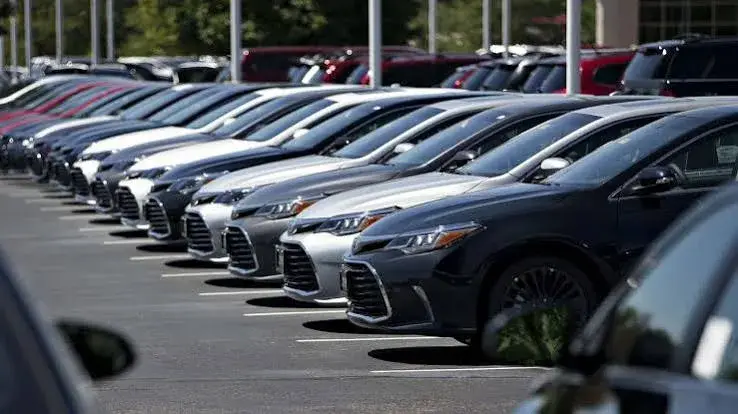
Nigeria’s Vehicle Imports Surge 146% to ₦1.18tn in H1 2026 as Transport Import Bill Soars
13 Sept 2026

Transport Aviation
Dubai, Abu Dhabi Brace for Cheaper Flights as Wizz Air Resumes Operations
10 Sept 2026

Transport Aviation
ProTaxi Set to Challenge Nigeria’s Ride-Hailing Market with October 1 Debut
10 Sept 2026
Transport Aviation
Lagos Begins Diesel Bus Phase-Out, Targets Fully Electric Fleet
4 Oct 2026
Transport Aviation
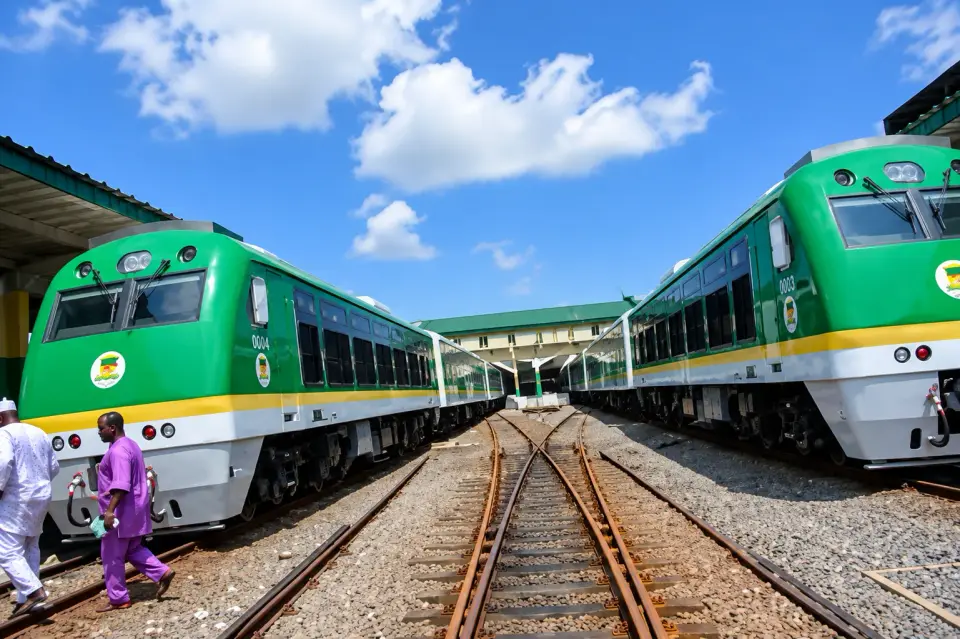
Abuja Rail Network to Connect Kaduna, Zaria, Kano, Daura and Katsina
16 Sept 2026
You may also like

Transport Aviation
Emirates Signs Seven Tourism Partnerships at Arabian Travel Market 2026
14 Sept 2026
Transport Aviation
Toyota and IVECO Launch Next-Generation Hydrogen Truck Partnership
13 Sept 2026
Transport Aviation
IATA: Nigeria Remains One of the Toughest Markets for Airline Business
12 Sept 2026
Transport Aviation
Airlines Cancel Saudi Arabia Flights After Deadly Attacks on Riyadh Airport
13 Oct 2026

Transport Aviation
Dubai Trials AI-Powered Electric Pods That Run on Dedicated Tracks
11 Oct 2026
Transport Aviation
Military Plane Crash: No Survivors Found as Nigeria Enters Three Days of Mourning
6 Oct 2026