
European Airfares Could Jump 20% in 2027, Ryanair Chief Warns
Ryanair chief Michael O’Leary warns European airfares could rise by 20% as soaring jet fuel costs and tighter airline capacity threaten cheaper flights.
Ryanair chief executive Michael O’Leary has predicted that European airfares could increase by 10% to 20% over the next 12 months, warning that airlines will struggle to absorb the impact of rising jet fuel costs linked to the war involving Iran.
O’Leary made the forecast on Tuesday, October 20, during a press conference in Brussels, Belgium, where he argued that airlines would have little choice but to pass a substantial portion of their higher operating costs on to passengers. He described the anticipated increase as potentially the largest in European aviation history, although the forecast remains his assessment rather than a confirmed industry-wide price increase.
The Ryanair boss attributed the pressure on ticket prices largely to the surge in oil and jet fuel prices since the conflict began in late February. Airlines that secured fuel at lower prices in advance have been partly shielded from the immediate impact, but those protections are becoming less effective as existing contracts expire and carriers prepare for 2027.
Ryanair had secured approximately 80% of its fuel requirements at $67 per barrel through March 2027 when the conflict began, according to O’Leary. However, he said the airline had locked in only 15% of its fuel requirements for the following financial year at $85 per barrel, leaving much of its expected consumption exposed to higher market prices. He said prevailing spot prices were roughly twice that level.
The exposure is significant because fuel is one of the airline industry's largest operating expenses. When prices rise sharply, carriers can initially absorb some of the increase, draw on fuel-hedging contracts or adjust their schedules. If higher costs persist, however, airlines may seek to recover more of the expense through ticket prices, additional charges or reduced capacity.
O’Leary also warned that the supply of available seats across Europe could tighten as financially weaker airlines face mounting costs, restructuring and potential takeovers. Fewer available seats, combined with higher fuel expenses, could push fares upwards if passenger demand remains strong. He cautioned that even substantial increases in ticket prices might not fully compensate airlines for their higher fuel bills.
The warning follows similar comments O’Leary made in September, when he said summer 2027 fares could rise by 15% to 20% if oil prices remained elevated. In early October, he also warned that unusually high jet fuel costs could persist into 2028, raising the prospect of prolonged pressure on airline finances and ticket prices.
His latest remarks came during a wider criticism of aviation taxes and regulation, particularly in Belgium and France. At the Brussels event, O’Leary announced that Ryanair would cut 20 routes and more than one million seats from its Belgian winter schedule in response to a planned increase in the country's aviation tax from €2 to €7 in January. The move illustrates how government charges, alongside fuel costs, are influencing airlines' decisions about where to deploy aircraft and how much capacity to offer.
The potential increases would affect travellers differently depending on their routes, booking dates, airlines and ticket types. Ryanair's forecast does not mean every European flight will become 20% more expensive, nor does it establish that all carriers will impose identical increases. Actual fares will also depend on competition, demand, fuel prices and airlines' individual financial positions.
For passengers planning holidays or business trips in 2027, the warning signals that the exceptionally low fares associated with Europe's budget-airline market may become harder to find if fuel costs remain high and seat availability contracts. For airlines, the challenge will be balancing higher operating expenses against travellers' willingness to pay, particularly as sustained price increases could eventually weaken demand. The scale of any eventual fare rise will depend on how energy markets, airline capacity and passenger demand evolve over the coming months.
Transport Aviation
IATA: Nigeria Remains One of the Toughest Markets for Airline Business
12 Sept 2026

Transport Aviation
Airlines Cancel Saudi Arabia Flights After Deadly Attacks on Riyadh Airport
13 Oct 2026
Transport Aviation
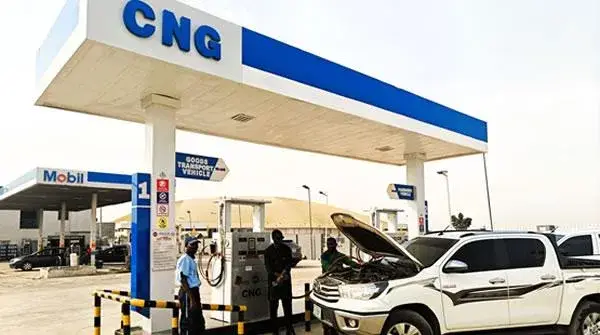
Tinubu: CNG Rollout to Deliver Cheaper Transport Fares From October
20 Sept 2026
Transport Aviation
Airbus Ramps Up Aircraft Deliveries, Ships Over 70 Planes in September
2 Oct 2026
Transport Aviation
Enugu Air Goes International With Non-Stop Enugu–Douala Flights
21 Sept 2026
Partner with Follow Global Trends
Display banners, sponsored stories and founder spotlights.
You may also like
Transport Aviation
Singapore Airlines Crowned World’s Best Airline for 2026
19 Sept 2026
Transport Aviation
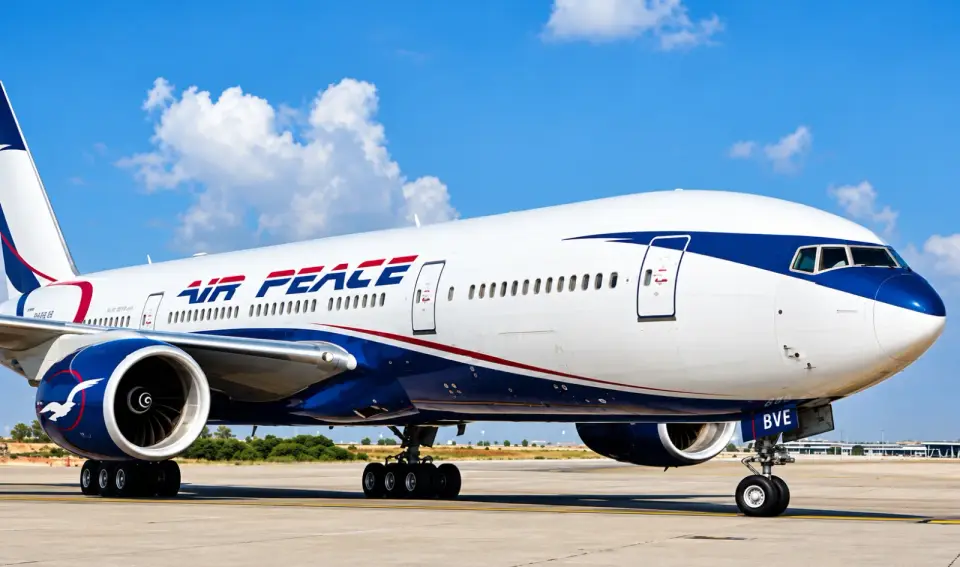
Air Peace Rejects NCAA Delay Report, Cites Weather, Congestion and Data Errors
17 Sept 2026
Transport Aviation
Toyota and IVECO Launch Next-Generation Hydrogen Truck Partnership
13 Sept 2026
Transport Aviation
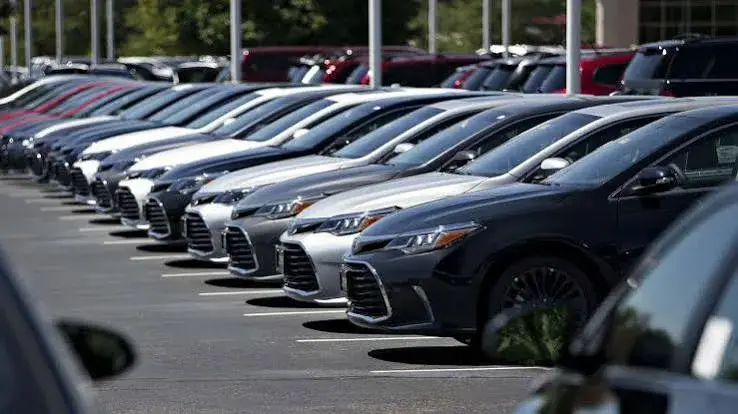
Nigeria’s Vehicle Imports Surge 146% to ₦1.18tn in H1 2026 as Transport Import Bill Soars
13 Sept 2026
Transport Aviation
Tesla’s Rocket-Powered Roadster Arrives on UAE Booking List, With a Catch
20 Oct 2026
Transport Aviation
UK Cracks Down on Loud Music on Public Transport With Fines
19 Oct 2026