
Air Peace Rejects NCAA Delay Report, Cites Weather, Congestion and Data Errors
The airline says the regulator’s August disruption report misrepresented its operations by understating flight volume and failing to separate internal delays from external disruptions.
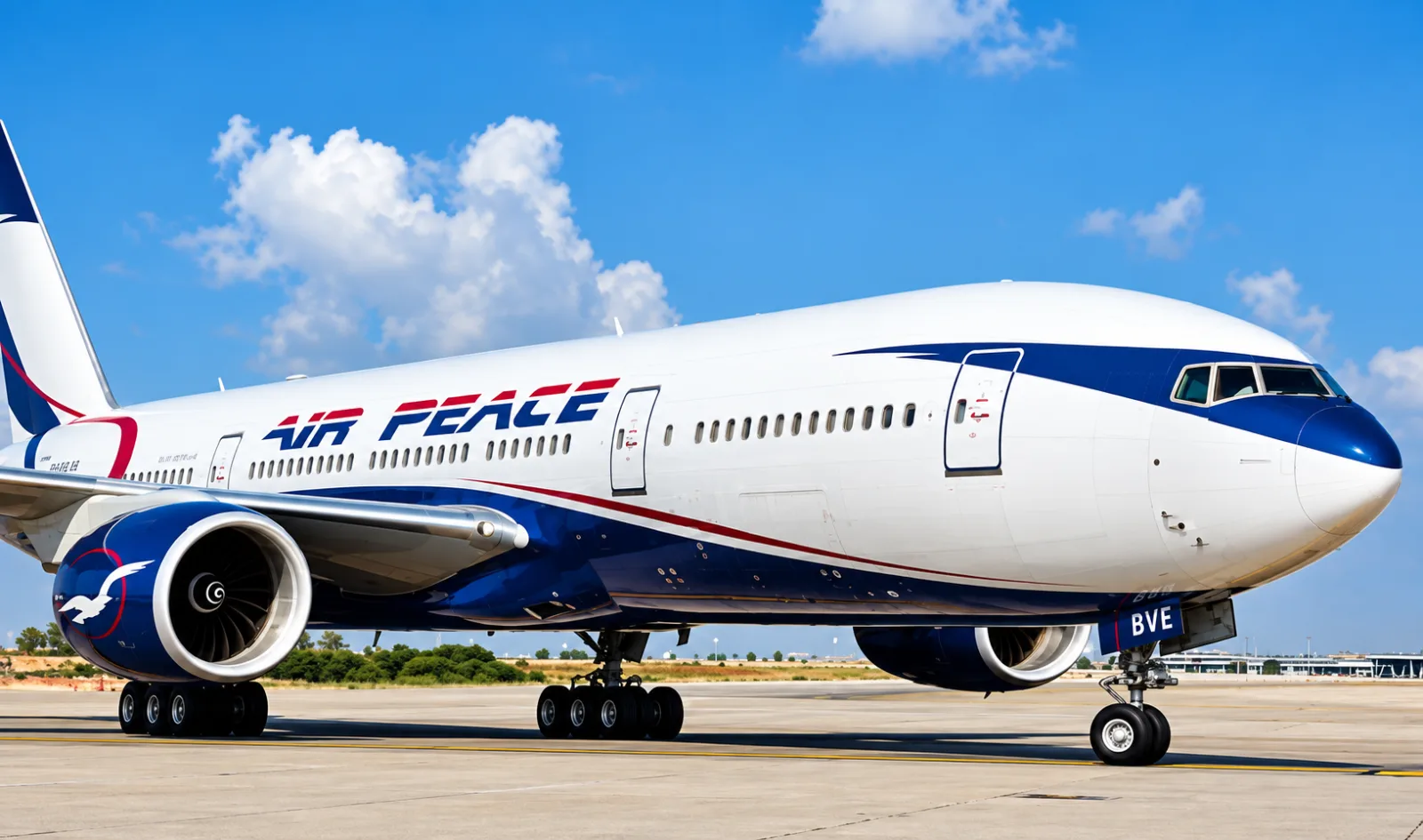
Air Peace has rejected the Nigerian Civil Aviation Authority (NCAA) flight disruption report for August 2026, describing it as inaccurate and arguing that it presents a misleading picture of the airline’s operational performance. The carrier insists the published figures failed to distinguish between delays caused by the airline and those triggered by factors beyond its control.
In a statement signed by its Chief Operating Officer, Mrs Toyin Olajide, Air Peace said it operated 2,564 flights during August—not the 1,864 flights reflected in the NCAA report. The airline argued that excluding more than 700 fully operational flights distorted its performance metrics and artificially inflated the percentage of delayed flights. It also questioned why the NCAA began its monthly reporting series with August rather than July, saying the August figures were released only 13 days after month-end without sufficient context about the extraordinary operational challenges experienced across the aviation sector.
According to the airline, its internal review showed that only 391 flights, representing 15 per cent of its total August operations, experienced delays attributable to Air Peace itself. Those disruptions, it said, were largely linked to technical issues requiring unscheduled maintenance and fuel-related operational challenges.
Air Peace maintained that the overwhelming majority of delays affecting passengers resulted from external circumstances outside the airline’s control. It listed airport and air traffic congestion, bird strikes, adverse weather, inadequate airport infrastructure, union picketing and damage to an aircraft by a ground-handling company among the principal causes of disruption. The carrier added that airport and traffic congestion alone accounted for more than 51 per cent of its externally induced delays, with aircraft frequently held on the ground or placed in holding patterns because of capacity limitations.
The dispute follows the NCAA’s publication of monthly flight disruption statistics as part of its broader consumer protection and transparency initiative. The regulator has increasingly released data on delays and cancellations to provide passengers with clearer insight into airline performance and encourage improved operational efficiency across the industry.
Air Peace, however, argued that punctuality statistics should be accompanied by a detailed breakdown of their underlying causes. The airline said presenting raw delay figures without separating airline-controlled events from systemic disruptions risks creating an unfair assessment of carriers operating within Nigeria’s challenging aviation environment.
The airline also reiterated that safety remains its highest operational priority, stressing that it would always choose maintenance, weather-related caution or regulatory compliance over maintaining departure schedules. It said continued investment in fleet reliability, crew training and operational planning remains central to reducing avoidable disruptions.
While the NCAA has yet to publicly respond to Air Peace’s specific claims about the August figures, the disagreement highlights a wider conversation within Nigeria’s aviation industry over how airline performance should be measured. As passenger demand continues to grow, both regulators and airlines face increasing pressure to deliver not only transparent reporting but also the infrastructure and operational improvements needed to make air travel more reliable.
Transport Aviation
IATA: Nigeria Remains One of the Toughest Markets for Airline Business
12 Sept 2026
Transport Aviation
Israel-Bound Flydubai Flight Diverts to Saudi Arabia After Mid-Air Cockpit Altercation
30 Sept 2026
Transport Aviation
RwandAir Hit with ₦15 Million NCAA Penalty Over Passenger’s Damaged Bag
13 Sept 2026

Transport Aviation
From Plumber to Dentist: The Ordinary Passengers Who Became FlyDubai Heroes
3 Oct 2026

Transport Aviation
Flydubai CEO Thanks Captain, Passengers After Mid-Air Cockpit Incident
2 Oct 2026
You may also like

Transport Aviation
Indian Flydubai Pilot Says He Fought to Save 174 Passengers
2 Oct 2026

Transport Aviation
Airbus Ramps Up Aircraft Deliveries, Ships Over 70 Planes in September
2 Oct 2026
Transport Aviation
Enugu Air Goes International With Non-Stop Enugu–Douala Flights
21 Sept 2026
Transport Aviation
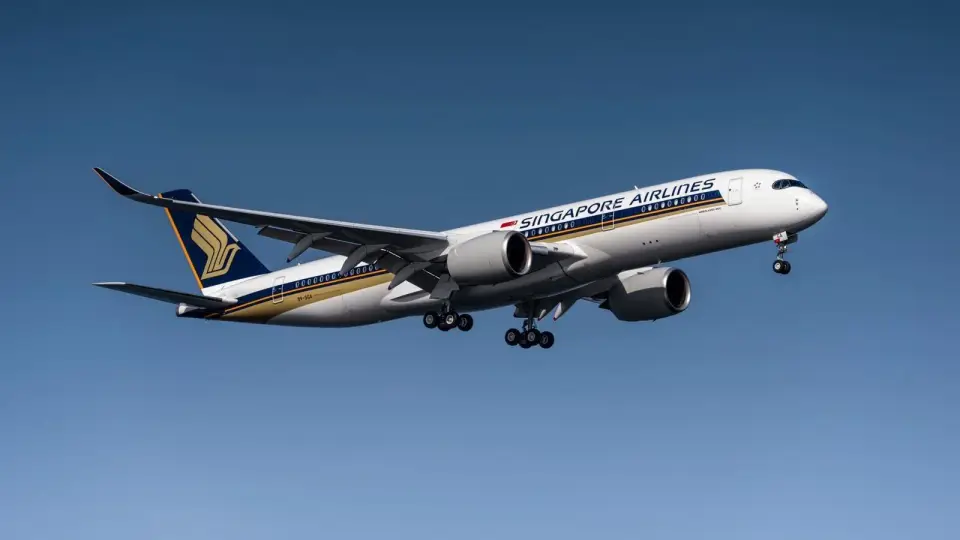
Singapore Airlines Crowned World’s Best Airline for 2026
19 Sept 2026

Transport Aviation
Dubai, Abu Dhabi Brace for Cheaper Flights as Wizz Air Resumes Operations
10 Sept 2026
Transport Aviation
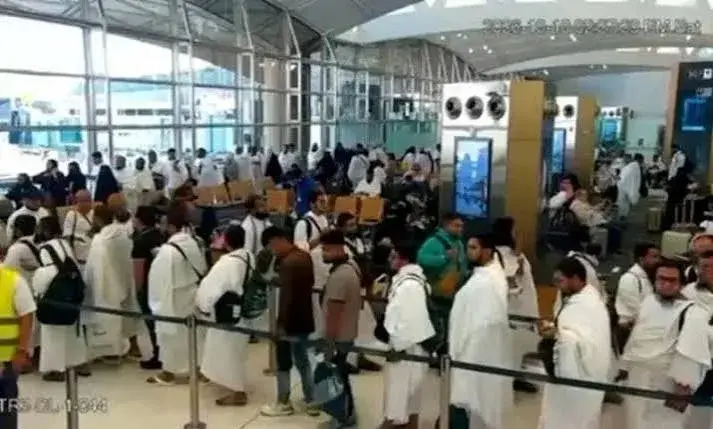
Airlines Cancel Saudi Arabia Flights After Deadly Attacks on Riyadh Airport
13 Oct 2026