
Dubai Trials AI-Powered Electric Pods That Run on Dedicated Tracks
The four-week trial will assess whether small autonomous electric vehicles can improve urban mobility without sharing ordinary roads with traffic.

Dubai has begun testing a new driverless transport system that uses compact electric pods running on dedicated guideways, offering a potential way to move passengers around the city without being held up by conventional road traffic.
The Roads and Transport Authority (RTA) launched the four-week trial of the Glydways automated transit system at Bluewaters Island on October 11. The initiative is designed to test how the technology performs in an urban setting and whether it can eventually help connect residential neighbourhoods, business districts and tourist destinations with Dubai’s wider public transport network.
Unlike autonomous taxis, which navigate ordinary streets alongside other vehicles, Glydways pods operate on their own narrow, dedicated routes. These guideways can be constructed at ground level or elevated, allowing the system to operate independently of general road traffic. The vehicles use artificial intelligence and onboard sensors to manage their movement, while the network is designed to offer direct, on-demand journeys rather than follow a conventional bus timetable.
Each pod can carry between four and six passengers, reach speeds of up to 50 kilometres per hour and travel as far as 250 kilometres on a single charge, according to project information published by the RTA. The vehicles are equipped with LiDAR sensors, radar and high-definition cameras to monitor their surroundings and support autonomous operation.
At the start of the trial, RTA Director General Mattar Al Tayer took a five-minute ride in one of the vehicles at Bluewaters. The authority says the testing programme will examine the performance of the vehicles and their control systems, safety and reliability, journey times and the passenger experience. The findings are expected to help determine whether and how the technology could be expanded.
One of the system’s main selling points is its potential capacity. Project information indicates that multiple pods can be coordinated as part of a wider network, with the system projected to carry more than 20,000 passengers per hour in both directions. Developers also say the approach could reduce capital costs by up to 90 per cent and operating costs by up to 70 per cent compared with comparable transport modes. These figures are projections, however, and the trial will help establish how the system performs under operating conditions.
The proposed network could eventually extend beyond Bluewaters. Plans under study include a 2.8-kilometre connection between National Paints Metro Station and Bluewaters, as well as potential routes serving Jumeirah Village Circle, Dubai Festival City, Business Bay and Mohammed Bin Rashid City. These are proposed connections, not evidence that a citywide Glydways network is already operational.
The project is being developed through cooperation between the RTA and Glydways, with Dubai Holding supporting the Bluewaters trial by providing infrastructure and operational assistance. The partnership reflects Dubai’s wider effort to introduce technology-driven transport options while improving access to existing services such as the Metro. The authority has emphasized that the current phase is intended to evaluate the system before decisions are made about future expansion.
The challenge for Glydways will be proving that its dedicated infrastructure delivers reliable journeys, worthwhile passenger capacity and genuine cost savings beyond a controlled trial. Building guideways also requires space, investment and careful integration with existing neighbourhoods and transport services. Even if the technology performs as intended, its wider impact will depend on where routes are built, how easily passengers can transfer between modes and whether the service meets real travel needs.
For cities struggling with congestion, the experiment highlights a different approach to autonomous transport: rather than simply replacing human drivers on existing roads, it creates a separate network for small, coordinated electric vehicles. If the Dubai trial demonstrates that this model is safe, practical and economically sustainable, it could offer another way for urban transport systems to bridge the gap between major transit stations and passengers’ final destinations.
Transport Aviation
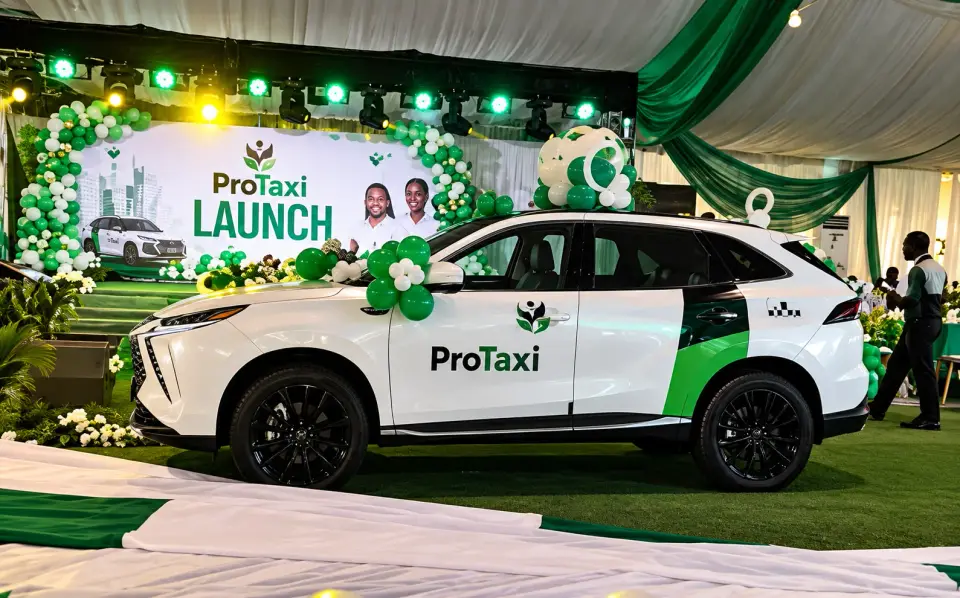
ProTaxi Launches Electric Ride-Hailing Service in Abuja, Targets 1,000 Drivers
1 Oct 2026
Transport Aviation
Lagos Begins Diesel Bus Phase-Out, Targets Fully Electric Fleet
4 Oct 2026

Transport Aviation
Dubai Airports Faced 111 Threat Alerts, 17 Missile Strikes During War, Says CEO
11 Sept 2026

Transport Aviation
From Plumber to Dentist: The Ordinary Passengers Who Became FlyDubai Heroes
3 Oct 2026
Transport Aviation
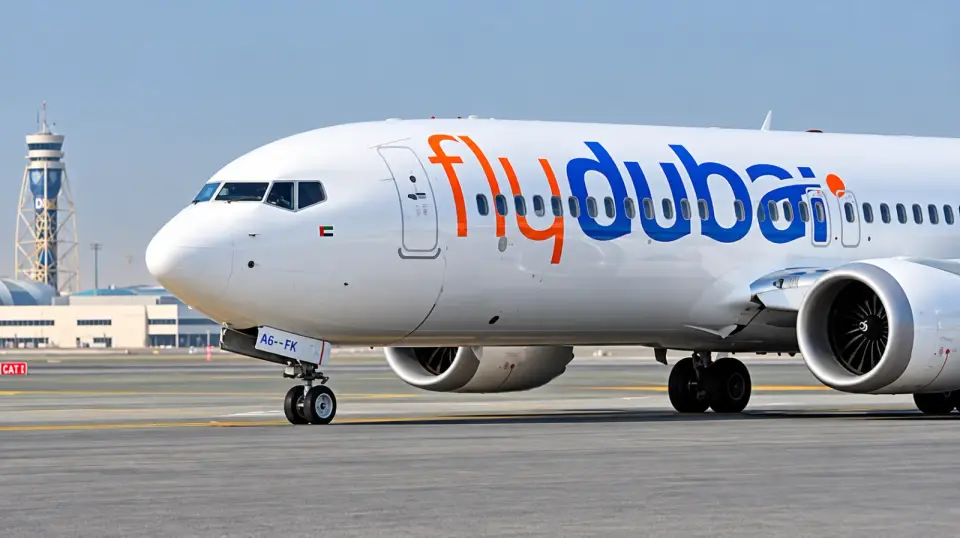
Israel-Bound Flydubai Flight Diverts to Saudi Arabia After Mid-Air Cockpit Altercation
30 Sept 2026
You may also like
Transport Aviation
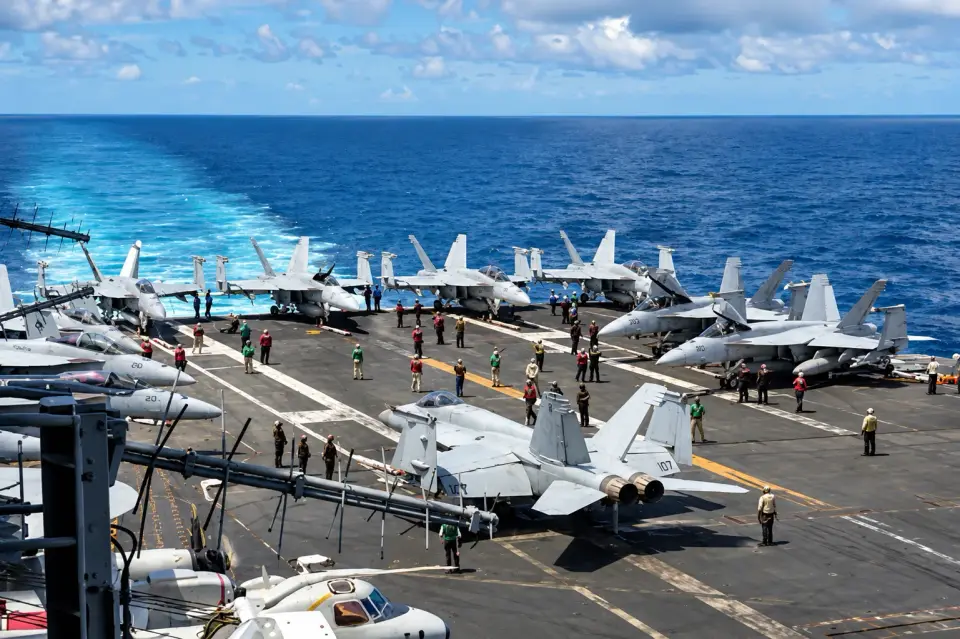
Two Navy Aviators Eject During USS Eisenhower Landing, Four Injured
29 Sept 2026

Transport Aviation
Dubai, Abu Dhabi Brace for Cheaper Flights as Wizz Air Resumes Operations
10 Sept 2026
Transport Aviation
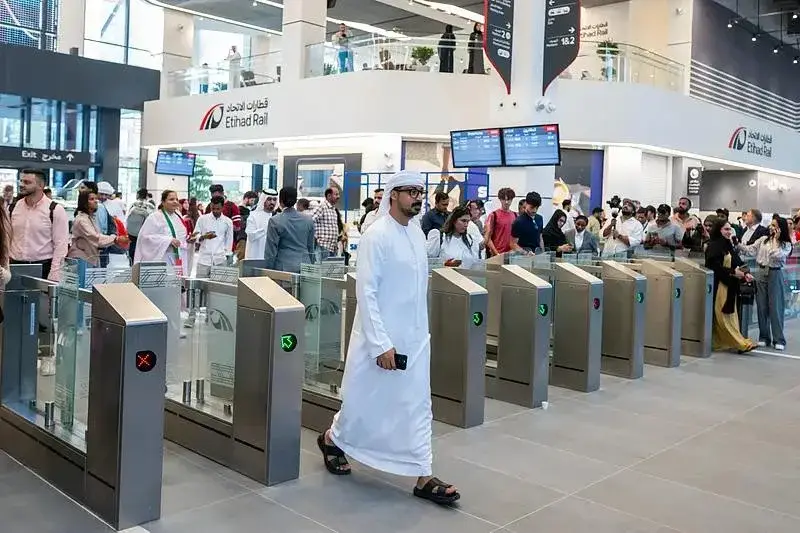
UAE Opens Bookings for Historic Dubai–Abu Dhabi Etihad Rail Service
23 Sept 2026
Transport Aviation
News Helicopter Crashes in Los Angeles Commercial Area, Killing At Least Three
16 Sept 2026

Transport Aviation
Dubai Airport Launches Five-Minute International Driving Licence Service
14 Sept 2026

Transport Aviation
Nigeria’s Vehicle Imports Surge 146% to ₦1.18tn in H1 2026 as Transport Import Bill Soars
13 Sept 2026