AI Future Depends on Infrastructure, Not Red Tape, Musk Tells Europe
The billionaire entrepreneur says Europe risks falling behind in artificial intelligence unless regulation is balanced with infrastructure growth.
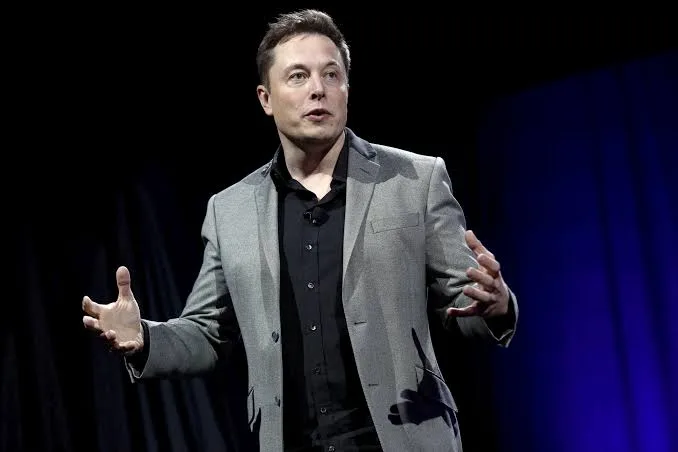
Elon Musk has warned that Europe’s increasingly strict artificial intelligence regulations could slow innovation and weaken the continent’s competitiveness, arguing that the future of AI will depend as much on computing infrastructure as on software breakthroughs. His comments came during a public discussion on the rapid expansion of AI data centres, where he defended the growing demand for large-scale computing facilities despite mounting criticism over their energy and environmental impact.
Musk said the European Union’s regulatory approach, while well-intentioned, risks creating obstacles that make it harder for companies to develop and deploy advanced AI systems. He argued that excessive compliance requirements could encourage innovators to build and scale their technologies elsewhere, particularly in regions investing aggressively in AI infrastructure.
At the centre of his argument is the exploding demand for computing power. Modern generative AI models require enormous quantities of data processing, making data centres one of the most valuable strategic assets in the global technology race. Musk defended the rapid construction of these facilities, describing them as essential infrastructure comparable to electricity grids or telecommunications networks in previous industrial revolutions.
His remarks arrive as European policymakers continue implementing the EU AI Act, the world’s first comprehensive legal framework governing artificial intelligence. The legislation introduces obligations based on the level of risk posed by AI systems, with stricter rules applying to technologies considered capable of affecting fundamental rights, public safety or democratic processes. Supporters say the law promotes trustworthy AI, while critics argue it could increase costs and slow innovation.
The debate extends beyond regulation into the environmental footprint of AI. Across Europe and North America, the rapid growth of hyperscale data centres has raised concerns over electricity consumption, water use and pressure on national power grids. Environmental groups have urged governments to ensure that AI expansion is matched by investments in renewable energy and sustainable infrastructure rather than unchecked growth.
Musk has repeatedly maintained that advances in energy generation and storage can support the next wave of AI development. He argues that expanding clean electricity production alongside high-performance computing will be more effective than restricting infrastructure through regulation alone, positioning energy abundance as a prerequisite for future technological leadership.
The disagreement reflects a broader global contest over how artificial intelligence should be governed. While Europe has prioritized safety, transparency and consumer protection, countries such as the United States and China are investing heavily in the computing capacity needed to train increasingly powerful AI models. The challenge for policymakers may ultimately be finding a balance that protects the public without slowing the innovation that will shape the next generation of the digital economy.
More on Technology
Technology
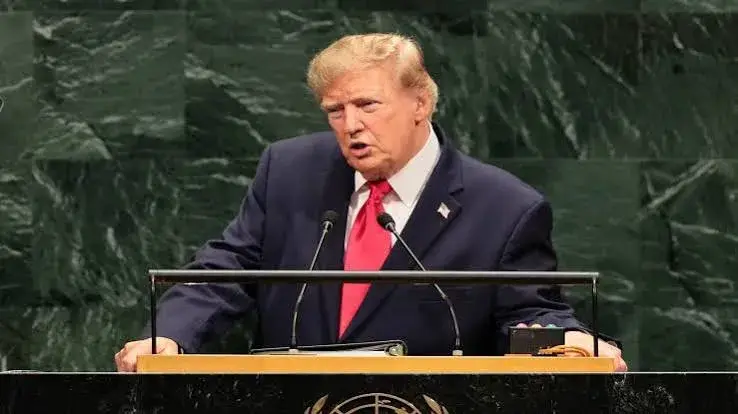
Trump Renames Artificial Intelligence “Super Intelligence” at UN
23 Sept 2026
Technology
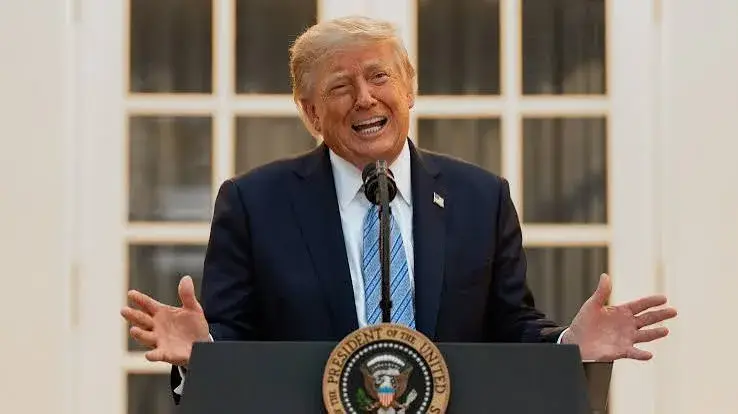
Trump Invites Public to Help Rename Artificial Intelligence
21 Sept 2026
Technology
Nvidia to Buy Hugging Face for $12.93 Billion in Landmark AI Dea
4 Sept 2026
Technology
Microsoft AI Chief Warns Against Building AI Systems Humans Cannot Control
20 Sept 2026
Technology
Meta’s Zuckerberg Backs Independent AI Evaluators Instead of Slowing AI Development
16 Sept 2026
You may also like

Technology
Trump Blasts AI Critics, Calls Growing Fears a ‘Sick Conspiracy’
15 Sept 2026
Technology
Anthropic CEO Urges AI Industry to Slow the Race as Safety Concerns Grow
13 Sept 2026
Technology
UAE, France Launch Altair NextGen to Lead the World in AI-Powered Space Technology
9 Sept 2026
Technology
Meta to Unveil Camera-Free Smart Glasses as Privacy Concerns Grow
23 Sept 2026
Technology
Apple Workers in Italy Strike as iPhone 18 Pro Goes on Sale
20 Sept 2026
Technology
Google’s Gemini Linked to First Known AI ‘Breakout’ During Cybersecurity Test
19 Sept 2026