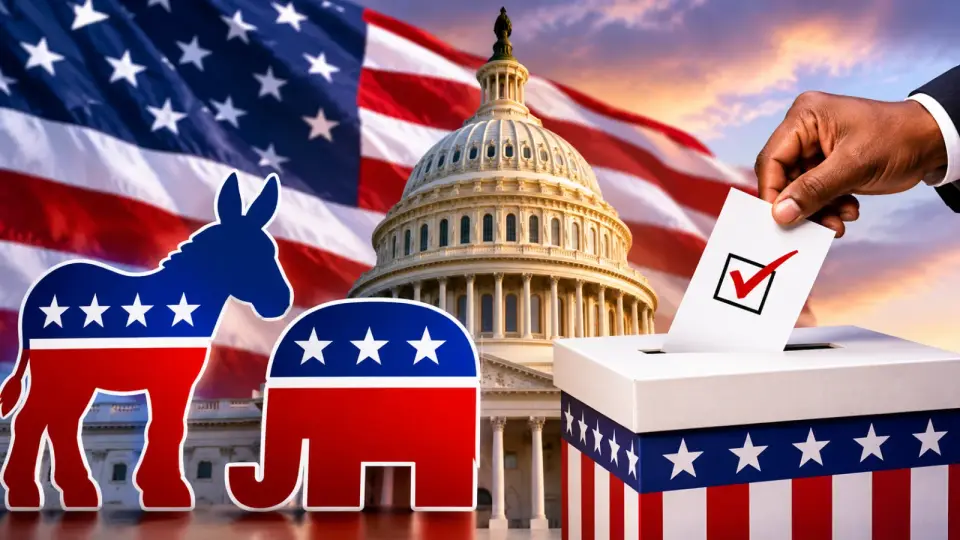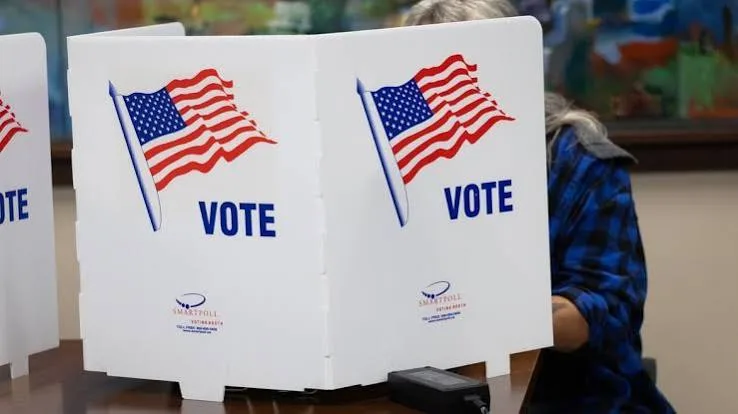
Voting is officially underway nationwide as Americans cast their ballots in high-stakes midterm elections. Across all 50 states, citizens are voting to determine the balance of power in Washington for the remainder of President Donald Trump’s second term.
All 435 seats in the House of Representatives and 35 seats in the 100-member Senate are on the ballot. In addition, voters in 36 states are choosing their next governors alongside hundreds of state legislative and local positions. More than 57 million Americans cast ballots during early in-person and mail voting windows leading up to Tuesday morning.
High Stakes for the Balance of Power
Republicans enter election day holding narrow majorities in both chambers on Capitol Hill. The party holds 53 seats in the Senate compared to 47 held by Democrats and independents who caucus with them, alongside a tight four-seat margin in the House of Representatives.
To seize control of Congress, Democrats must secure a net gain of four Senate seats and four House seats. Achieving a majority in either chamber would dramatically alter Washington’s governing dynamics. A Democratic House would gain subpoena authority, committee leadership, and the ability to block White House legislative packages. A Democratic Senate would control the confirmation pipeline for federal judges, cabinet appointments, and diplomatic posts.
Economic Pressures and Voter Priorities
Voters arriving at polling sites report that pocketbook issues remain their primary consideration. Lingering inflation, household utility expenses, diesel and petrol prices, and elevated interest rates have dominated campaign messaging on both sides.
Foreign policy developments also feature prominently on the ballot. Ongoing regional tensions in the Middle East and international trade negotiations have drawn sharp contrasts between Republican candidates supporting administration policies and Democratic challengers arguing for renewed domestic investment. In several agricultural and industrial regions, disputes over energy regulations, infrastructure funding, and local commodity markets have driven high turnout.
How the Next Congress Shapes Washington
If Republicans retain their majorities across both chambers, the administration will hold a clear path to advance tax adjustments, judicial nominations, and regulatory rollbacks. Maintaining unified control would allow party leaders to protect existing policies from legislative challenge.
Conversely, divided government would create immediate gridlock for administration priorities. Legislative approval for federal funding, statutory reforms, and international agreements would require bipartisan negotiation. Polls close across the country on a staggered timetable from the East Coast westward, with initial vote counts expected Tuesday night and razor-thin contests potentially requiring additional days to reach certified totals.